
Emergency water damage restoration requires a nuanced approach, prioritizing environmentally responsible methods. Key strategies include assessing well depth and local water sources, utilizing natural extraction techniques with advanced filtration, and combining scientific tools with local knowledge for swift 24/7 extraction. Natural water extraction naturally offers sustainable solutions, minimizing disruption to ecosystems. Post-extraction, holistic approaches like improved drainage and soil amendments restore balance and prevent future issues. Well maintenance contracts ensure timely response and long-term well health.
In today's fast-paced world, water damage can strike at any time—from burst pipes to sudden flooding. Rapid and effective emergency water extraction is not just a luxury; it's a critical necessity to prevent substantial property loss and costly renovations. Traditional methods often rely on heavy machinery and artificial processes, which can be invasive and disruptive. This authoritative piece explores the transformative power of 24/7 emergency water extraction techniques that harness the natural elements for swift and efficient restoration. By delving into these innovative solutions, we aim to equip property owners and professionals with knowledge to navigate these challenging situations effectively.
- Understanding Emergency Water Extraction Needs
- Natural Approaches to Efficient Water Extraction
- 24/7 Response: Quick & Safe Extraction Techniques
- Choosing the Right Equipment for Water Removal
- Post-Extraction: Restoring Balance Naturally
Understanding Emergency Water Extraction Needs

In any emergency situation involving water damage, understanding the specific needs of water extraction is paramount for effective restoration. This involves a nuanced approach tailored to the unique challenges posed by each case, especially in diverse environments where natural water sources can vary greatly. The primary goal is to implement efficient and safe methods that cater to both immediate relief and long-term sustainability.
One key aspect is assessing the well depth and local water source. Tools designed for well depth estimation play a crucial role here, enabling professionals to determine the reach required for extraction equipment. For instance, in rural areas with deep wells, specialized machinery and techniques are needed to prevent further damage or contamination. This is where brands like Property Restoration of the Capital Region excel, offering tailored solutions and expertise in managing such situations. Local water source assessment is equally vital; understanding the composition and quality of groundwater ensures that extraction methods are compatible and environmentally responsible. Well water sampling kits, used 1-3 times during the initial response phase, can provide critical data on contamination levels and guide subsequent decontamination efforts.
Natural water extraction methods should be considered whenever feasible, focusing on sustainable practices that minimize environmental impact. This includes implementing advanced filtration systems to purify water extracted from various sources, ensuring it meets safety standards for reuse or release back into the ecosystem. By combining scientific assessment tools with a deep understanding of local conditions, restoration specialists can orchestrate effective 24/7 emergency water extraction services, offering peace of mind and swift recovery in times of crisis.
Natural Approaches to Efficient Water Extraction

In addressing urgent water extraction needs, particularly in scenarios demanding swift response and minimal environmental impact, natural approaches offer a sustainable solution. Water extraction naturally leverages eco-friendly methods to manage excess water effectively, making it a preferred choice for both residential and commercial applications. One proven technique involves utilizing local well service providers who possess the expertise to install and maintain efficient well points. These strategically placed wells allow for controlled drainage, ensuring water is extracted without disturbing surrounding ecosystems.
Well water quality testing kits play a crucial role in gauging the suitability of extraction methods. By assessing the water's composition, professionals can tailor their approach, preventing potential contamination or damage to nearby water sources. For instance, in areas with high mineral content, specific techniques like reverse osmosis or multi-stage filtration may be recommended to ensure the extracted water remains safe for various uses. Property Restoration of the Capital Region, a trusted name in emergency services, emphasizes this holistic approach, offering not just extraction but also comprehensive well water quality assessments and remediation solutions.
Natural water extraction methods further benefit from ongoing technological advancements. Modern equipment designs, such as high-efficiency pumps and sophisticated control systems, enable precise management of water levels. This ensures that extraction processes are both effective and environmentally conscious. By combining these innovations with traditional practices, local well service providers can provide efficient, sustainable solutions for any water extraction challenge, ensuring the preservation of local ecosystems while addressing immediate concerns.
24/7 Response: Quick & Safe Extraction Techniques
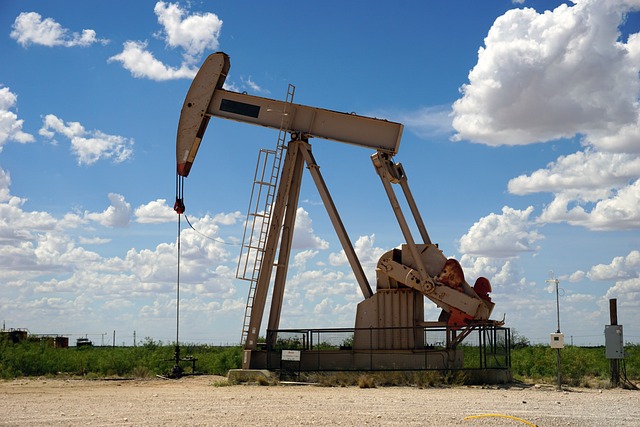
When water extraction is required due to emergency situations—such as floods or leaks—a swift and secure response is paramount. 24/7 emergency water extraction services are designed to address these critical needs promptly, minimizing damage and ensuring a safe environment. This involves employing specialized techniques tailored for different scenarios, especially when dealing with private wells. Unlike traditional water extraction methods that rely heavily on mechanical pumping, modern practices emphasize natural, sustainable solutions whenever possible.
For instance, in cases where wellhead contamination is suspected, a thorough cleaning and sealing process becomes essential. This involves carefully assessing the wellhead area to identify any contaminants or debris and then employing targeted extraction techniques to remove them without damaging the well structure. Once the affected area is cleaned, proper sealing methods are implemented to prevent further intrusion of unwanted substances. Property Restoration of the Capital Region, a leading expert in this field, highlights the importance of adhering to strict private well testing requirements to ensure that the water source remains safe for consumption after such incidents.
Well pump service contracts also play a strategic role in managing 24/7 emergency situations. By establishing these agreements with reputable contractors, homeowners can secure timely response times and expert care during critical moments. Such contracts often include provisions for regular well maintenance, which, combined with prompt extraction services, helps to safeguard the longevity of private wells. This proactive approach ensures that homes have a reliable water source long after the initial emergency has passed.
Choosing the Right Equipment for Water Removal

Selecting the appropriate equipment for water extraction is a critical step in effective and efficient damage restoration, especially following flooding or leaks. The right tools can make all the difference in minimizing disruption to properties and ensuring natural water removal without causing further harm. When faced with 24/7 emergency situations, understanding your local water source assessment and well drilling permits is key. Property owners should consult with experts who specialize in well pump repair to navigate these regulatory requirements seamlessly.
For instance, in regions prone to flooding, implementing preventive measures like water extraction systems connected to local water sources can significantly reduce damage. However, it's crucial to assess the availability and quality of these sources before investing in equipment. In areas with limited or contaminated groundwater, alternative solutions such as portable de-watering pumps or vacuum excavation techniques may be more suitable. These methods allow for safe and efficient removal of large volumes of water without disrupting the surrounding environment.
Once the appropriate extraction method is determined, selecting the right equipment becomes paramount. Modern technology offers a range of options, from high-capacity submersible pumps to advanced vacuum systems. For instance, well pump repair technicians recommend considering the flow rate and total dynamic head (TDH) requirements of your local water source when choosing a pump. Additionally, integrating smart monitoring systems into your extraction setup enables real-time data on water levels and extraction efficiency, ensuring optimal performance.
Property Restoration of the Capital Region, for example, has seen success in employing cutting-edge de-watering technologies to restore homes and businesses affected by severe flooding. By partnering with experienced well pump repair specialists, they ensure that each project is tailored to the specific local conditions, resulting in swift and effective water extraction. This comprehensive approach not only minimizes property damage but also aids in a smoother recovery process for affected communities.
Post-Extraction: Restoring Balance Naturally

After successful water extraction, restoring balance to both the affected area and surrounding environment is paramount. Water extraction naturally involves more than just removing moisture; it's about mitigating damage, preserving structures, and ensuring long-term sustainability. In the context of well-water, for instance, proper post-extraction care is crucial to maintain water quality and prevent further contamination.
For construction projects, where water extraction for construction projects may be necessary 1-3 times during the build, implementing a comprehensive well maintenance package is essential. This includes testing water sources, addressing any structural integrity issues in wells, and establishing protocols for regular cleaning and filtration to safeguard both the project and surrounding ecosystem. Property Restoration of the Capital Region emphasizes this holistic approach, combining advanced extraction techniques with eco-conscious practices to restore balance naturally.
Consider a scenario where heavy rainfall leads to flooding, necessitating emergency water extraction from homes. While removing standing water is urgent, focusing on natural restoration strategies afterward ensures that areas don't become prone to future moisture issues. This includes proper drainage planning, soil amendments to improve absorbency, and even the strategic introduction of beneficial bacteria to enhance natural decomposition processes. By embracing these methods, communities can foster resilience against future flooding events while promoting environmental health.
After exploring the multifaceted world of 24/7 emergency water extraction, several key insights emerge. First, understanding specific needs is crucial for effective water extraction, whether through natural or rapid response methods. Natural approaches to water extraction, emphasizing eco-friendly solutions, offer efficient and sustainable options, such as leveraging gravity and using plant-based enzymes. Quick and safe 24/7 response techniques ensure immediate mitigation, minimizing damage and health risks. Choosing the right equipment tailored to specific challenges is vital for successful water removal. Post-extraction, restoring balance naturally through proper drying and remediation methods prevents long-term issues. By integrating these principles, including the adoption of water extraction naturally, individuals and communities can effectively navigate emergency situations, preserving property and well-being. This article provides a comprehensive framework for understanding and addressing water extraction needs, empowering readers with practical knowledge to handle such critical scenarios.