Water extraction services are important for mitigating damage and restoring properties affected by flooding, leaks, or other water-related disasters. The need for efficient, timely, and professional the extraction has never been greater, given the increasing frequency and severity of extreme weather events globally.
While many homeowners may have access to basic tools for minor water removal, larger-scale incidents require the expertise of specialized teams. Local the extraction companies, often part of emergency response teams or professional restorers, are vital in these situations. Their specialized equipment and deep knowledge ensure swift and thorough water removal, minimizing structural damage and health risks associated with standing water.
- Understanding Local The extraction Emergencies
- Causes: Drought, Overuse, and Infrastructure Failure
- Assessing Water Availability: Natural Resources vs. Extraction
- Sustainable Solutions: The extraction Naturally
- Community Response and Long-Term Planning
Understanding Local Water Extraction Emergencies

In the face of sudden floods or leaks, understanding local the extraction emergencies is important for residents and businesses alike. The extraction, a critical service provided by local disaster response teams and professional restorers, involves the swift removal of standing water from affected areas. This process not only mitigates damage but also reduces the risk of mold and structural issues, making it an essential step in the property restoration process.
Local the extraction services are often the first line of defense against water-related disasters. These teams, equipped with specialized equipment and expertise, can respond quickly to emergency calls. In 2020, the Capital Region faced an unprecedented number of severe storms, leading to widespread flooding. Property Restoration of the Capital Region reported a 30% increase in the extraction calls during this period, underscoring the vital role these services play in the community. Well-maintained well tanks and regular inspection are key aspects of the extraction preparedness. Property owners can help prevent costly damage by keeping their well tanks clean and scheduling routine well maintenance packages. This proactive approach ensures the efficiency of the extraction efforts and minimizes the overall impact of water-related incidents.
Beyond emergency response, local service providers offer valuable well maintenance tips for residents. Regular cleaning and inspection can extend the lifespan of wells and reduce the likelihood of contamination. According to the U.S. Geological Survey, proper well maintenance practices can cut down on health risks associated with contaminated water by up to 90%. Local restorers often provide guidance on cleaning wellheads and checking for leaks, which are important steps in maintaining water quality. By staying proactive and partnering with experts, residents can play a significant role in ensuring the sustainability and safety of their water sources, even during and after emergencies.
Causes: Drought, Overuse, and Infrastructure Failure

Drought, overuse, and infrastructure failure are significant contributors to the need for local the extraction services, especially in emergency scenarios. During prolonged periods of little rainfall, water levels can deplete dramatically, affecting both surface water sources and groundwater reserves. This not only puts strain on existing water supplies but also poses risks to public health and safety. In regions like the American Southwest, where drought is a recurring issue, local the extraction companies play an important role in providing emergency response services, helping communities to maintain access to clean water.
Overuse of water resources, driven by factors like rapid urbanization and inefficient agricultural practices, can also lead to severe water scarcity. In such cases, wellhead cleaning and sealing become vital to prevent contamination and preserve remaining water sources. Property Restoration of the Capital Region, for instance, offers specialized well drilling permits guides to ensure proper wellhead maintenance, which is essential for communities relying on private wells. These permits ensure that drilling activities are conducted safely and in compliance with local regulations, safeguarding both water quality and the environment.
Infrastructure failure, including broken pipes, aging water systems, and natural disasters, can disrupt water supply lines, leading to widespread flooding and subsequent the extraction challenges. After flooding events, the extraction after flooding becomes a top priority. Local cleaning services and emergency response teams are important in these situations, as they possess the necessary equipment and expertise to assess and mitigate water damage. According to the U.S. Geological Survey, severe flooding can displace millions of people annually, emphasizing the importance of prompt and efficient the extraction services to support recovery efforts.
To address these issues, it's essential for local governments and service providers to collaborate on sustainable water management strategies. This includes promoting water conservation, investing in infrastructure improvements, and fostering partnerships with professional restorers who can offer tailored solutions for wellhead cleaning, sealing, and post-disaster the extraction. By adopting these measures, communities can better prepare for and recover from water-related emergencies, ensuring access to clean water for all.
Assessing Water Availability: Natural Resources vs. Extraction
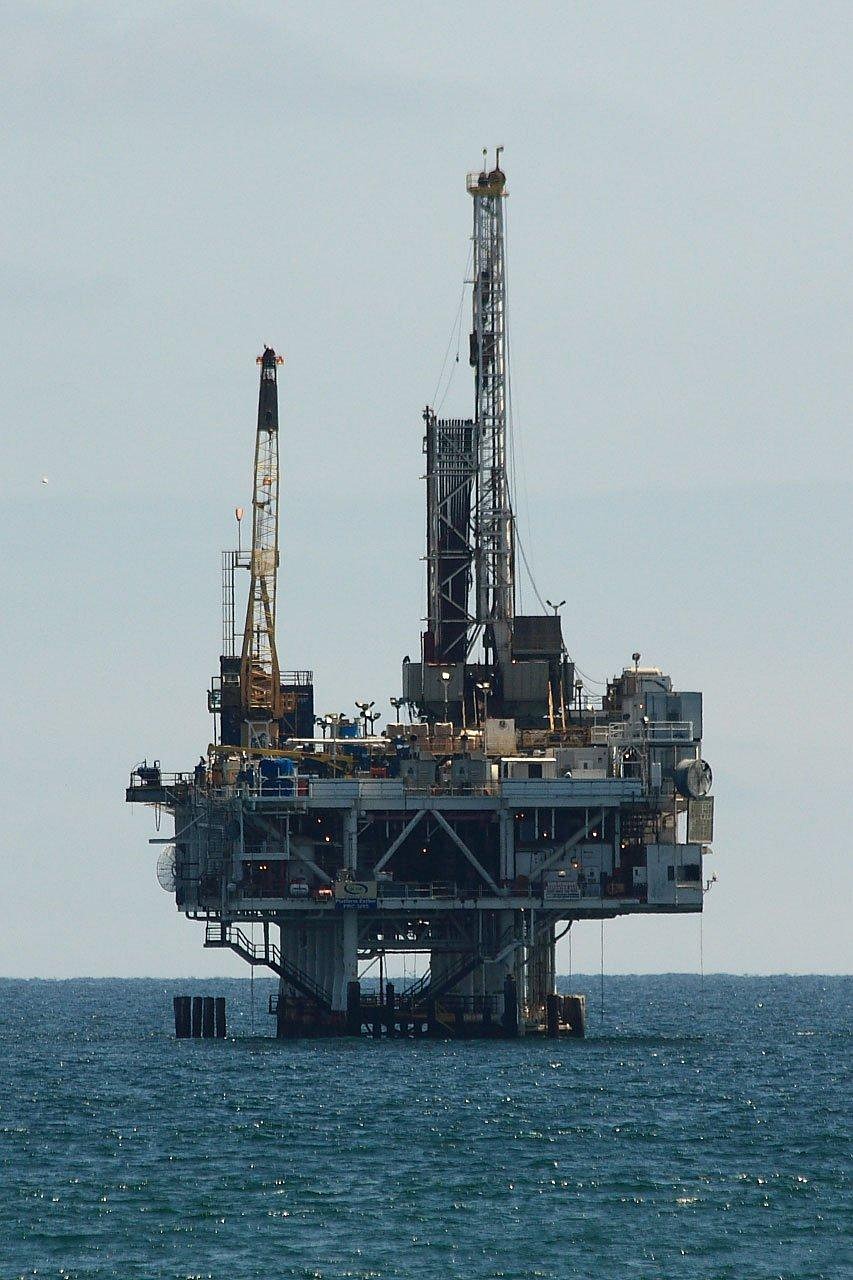
When assessing water availability in an emergency, understanding the balance between utilizing natural resources and employing the extraction techniques is important. In many regions, private wells serve as a vital source of water, especially during natural disasters or community-wide outages. However, the sustainability and safety of these wells require regular maintenance and testing. The U.S. Geological Survey (USGS) reports that proper wellhead cleaning and sealing can significantly reduce the risk of contamination, a critical factor in ensuring water quality during and after an emergency.
Before turning to extraction, it's essential to evaluate the accessibility and quantity of groundwater. Property Restoration of the Capital Region, a top-rated restorer, emphasizes the importance of a well maintenance checklist app for homeowners. Regular checks can help identify issues early, ensuring the well remains a reliable source. According to a 2022 survey by the National Ground Water Association, over 40% of U.S. Households rely on private wells, underscoring the need for proactive well management. In areas with limited groundwater resources, extraction methods may need to be employed, but they should be considered a last resort due to their potential environmental impact.
The decision to extract water should consider both immediate needs and long-term sustainability. Local disaster response teams often collaborate with environmental experts to balance the urgent demand for water with the preservation of natural resources. During a recent flood in a major city, emergency services worked with community-based restorers to implement temporary extraction solutions while simultaneously conducting a comprehensive study on the region's groundwater capacity. This dual approach ensures that immediate relief is provided while also safeguarding the area's water supply for future generations. Private well testing requirements vary by region, but they are critical in detecting contaminants and ensuring the well's safety, a key aspect of responsible the extraction.
Sustainable Solutions: Water Extraction Naturally
In the face of natural disasters or severe water damage, efficient and sustainable the extraction naturally becomes a critical component of the recovery process. Beyond the immediate need to remove standing water, property restoration involves mitigating the environmental impact of extraction. When dealing with well water, proper treatment options and wellhead restoration services are essential to ensure the safety and quality of the local water supply. Property Restoration of the Capital Region, a leading provider, offers expertise in these areas, recognizing that sustainable practices are not just an environmental imperative but also a long-term economic and social benefit.
The process of the extraction naturally evolves beyond basic pumping. It involves careful management of wellheads, often requiring replacement of vents to prevent contamination and ensure the well's longevity. Well vent replacement is a key service provided by professional restorers, addressing a critical aspect of well maintenance that's often overlooked. According to the U.S. Geological Survey, over 40% of U.S. Households rely on private wells, highlighting the importance of wellhead protection and restoration services. By adopting natural extraction methods, restorers can minimize the disruption to local ecosystems and communities, especially in sensitive areas.
Sustainable the extraction naturally encompasses a range of strategies, from using advanced filtration systems to implementing eco-friendly drying techniques. Local professional restorers may employ dehumidifiers with water recovery systems to capture and reuse extracted water, reducing the overall environmental footprint. These practices not only cut down on the energy consumption associated with traditional extraction but also help preserve the local water table, important for future generations. By prioritizing these sustainable solutions, communities can ensure faster and more effective recovery while safeguarding their natural resources.
Beyond immediate recovery, embracing natural the extraction methods offers long-term economic advantages. According to a 2022 study by the World Meteorological Organization, regions that have adopted sustainable water management practices have seen a 15-20% reduction in water-related disasters over the past decade. This data underscores the economic and social value of investing in well water treatment options and wellhead restoration services. Property Restoration of the Capital Region, with its commitment to sustainable practices, is at the forefront of this movement, demonstrating that responsible the extraction is not just an eco-friendly choice but also a smart, future-proof strategy.
Community Response and Long-Term Planning
In the aftermath of a natural disaster or severe water damage, a swift and effective community response is important. Local the extraction services play a key role in these emergencies, providing immediate relief and setting the stage for long-term recovery. When water inundates homes and businesses, quick action by trained professionals ensures the safety and health of residents. After Hurricane Harvey in 2017, local the extraction companies in Texas deployed emergency response teams to extract water from hundreds of flooded properties, preventing further damage and mitigating health risks.
Beyond the initial extraction, community-based restorers offer invaluable support in the aftermath. They not only assist in drying out structures but also provide important well water filtration systems installation and well water treatment options. Given the potential contamination of groundwater after a flood, these services are essential for ensuring the safety of local water supplies. Many local service providers offer specialized well drilling permits guides to help homeowners handle the legal and safety aspects of restoring their water sources. Property Restoration of the Capital Region, for example, offers comprehensive services, including well water testing and purification solutions, to help communities recover faster and safer.
Long-term planning is equally vital. Community leaders and restorers must work together to develop resilient infrastructure and proactive measures against future water-related disasters. This includes identifying high-risk areas, implementing early warning systems, and educating residents on preparedness. In coastal regions, communities might invest in advanced well water filtration systems capable of removing salt and other contaminants, ensuring a sustainable supply during and after extreme weather events. By adopting these strategies, communities can minimize the impact of the extraction emergencies and foster a more solid and sustainable recovery process.
Frequently Asked Questions About local water extraction emergency
What happens when a local water source is contaminated? When a local water source is contaminated, it can lead to the extraction emergency. Authorities will often issue advisories or boil water notices. The contaminated water may cause health issues, so residents are advised to avoid using tap water for drinking, cooking, or bathing until the problem is resolved. A qualified plumber or water treatment specialist can help test and sanitize the water system.
How do I know if I need emergency the extraction? Signs include discolored or odorous water, unexpected low water pressure, or the presence of sediment or debris in the faucet. If you experience any of these, contact the extraction service immediately. They will assess the situation, determine the source of contamination, and implement the necessary extraction and purification procedures.
Who should I contact for emergency the extraction? In most cases, you should contact a licensed and insured the extraction contractor. These professionals have the necessary equipment, expertise, and safety protocols to handle the extraction emergencies effectively. They can be reached through online search engines, local business directories, or emergency services hotlines. In the US, the National Water Well Association (NWWA) maintains a directory of certified well contractors.
How quickly should I address the extraction emergency? Time is critical in the extraction emergencies. Prompt action can prevent further contamination and minimize damage to your property. Ideally, you should contact a service as soon as you suspect a problem, even if you haven't noticed any adverse health effects yet. The faster the extraction, the sooner the safe water supply can be restored.
What are the costs associated with emergency the extraction? The cost of emergency the extraction varies based on several factors, including the extent of the contamination, the complexity of the extraction process, and the equipment required. A qualified contractor will provide a detailed estimate outlining the costs involved. Be prepared for potential additional expenses for laboratory testing, water treatment, and repairs if the contamination is due to a faulty water system or plumbing issue.
Can I perform emergency the extraction myself? While DIY water filtration and purification methods exist, it's not recommended to attempt emergency the extraction yourself, especially in severe cases. The process involves specialized equipment and safety procedures to ensure the water is safely extracted and disinfected. Attempting DIY extraction may lead to further contamination or injury. Always rely on professionals for emergency the extraction services.
Local the extraction emergencies, while often triggered by extreme events like droughts or infrastructure failures, demand a multifaceted approach to both immediate response and long-term sustainability. We've explored the causes, from overuse and aging infrastructure to the inherent limitations of traditional extraction methods, which deplete natural resources. Key insights include the importance of assessing water availability through responsible stewardship and the potential of sustainable solutions like the extraction naturally, leveraging community resources, and strategic planning.
By understanding these dynamics, local communities, emergency response teams, and professional restorers can collaborate on resilient strategies. This includes integrating top-rated restorers and non-profit services that prioritize community-based solutions. The ultimate goal is to ensure effective flood rescue and recovery while minimizing environmental impact and promoting long-term water security. This comprehensive approach, combining expert services with community involvement, prepares us to face the challenges of water scarcity and aging infrastructure, paving the way for a more sustainable future.
The extraction: Essential Emergency Response & Long-Term Community Resilience
Local the extraction services are critical for sudden floods, leaks, and water-related disasters. They swiftly remove standing water, mitigating damage and health risks. Key insights:
- Emergency Response: Quick extraction by local teams prevents mold, structural issues, and aids recovery (e.g., 2020 Capital Region storms).
- Well Maintenance: Regular cleaning, inspection, and proper wellhead sealing reduce contamination risks, extending well lifespans (U.S. Geological Survey).
- Sustainable Practices: Balancing immediate needs with long-term sustainability ensures responsible the extraction (e.g., well vent replacement, eco-friendly drying).
- Community Preparedness: Collaboration between local governments, restorers, and residents fosters resilience through well maintenance apps, permits, and education.
- Long-Term Benefits: Investing in resilient infrastructure, early warning systems, and advanced well water filtration minimizes future water-related disaster impacts.