
The extraction is a critical service that matters in disaster response, property restoration, and environmental cleanup. When water intrudes, whether from floods, leaks, or other sources, it can cause substantial damage and pose health risks within hours. Traditional methods often involve extensive drying and restoration work, requiring specialized equipment and expertise.
The need for efficient, local the extraction services has never been greater. Today, communities rely on a network of professional restorers and emergency response teams to mitigate water damage swiftly and safely. We'll guide you through the field of these services, highlighting the expertise and resources available to you.
- Identifying Local The extraction Experts
- Understanding The extraction Techniques
- The Environmental Impact of The extraction
- Efficient The extraction: Best Practices
Identifying Local Water Extraction Experts

Identifying the right the extraction experts is important when facing water damage or well-related issues. The first step is to understand the diverse range of professionals available and their specializations. Local the extraction companies, for instance, often specialize in residential or commercial properties, focusing on quick response times and minimal disruption. In contrast, emergency response teams are designed for sudden, severe situations, like flash floods or well failures, providing 24/7 support and specialized equipment.
When prioritizing your search, consider the scope of the problem. If it's a minor leak or routine well maintenance, local cleaning services or community-based restorers might be equipped to handle it efficiently and cost-effectively. These providers often have a deep understanding of local conditions and resources. In Albany, New York, Property Restoration of the Capital Region offers well maintenance checklists via an user-friendly app, empowering homeowners to maintain their water sources proactively.
However, for complex cases like severe flooding or well repair emergencies, it's best to contact professional restorers or urgent response teams. These experts possess the specialized skills and tools for in-depth the extraction and well drilling for clean water sources. They can also provide critical well repair services. Data from the U.S. Geological Survey highlights the importance of proper well maintenance, emphasizing the risk of contamination and the need for regular inspection and repair. In such scenarios, quick response times are important; well repair emergency services are equipped to handle these situations promptly, minimizing damage and ensuring safe water sources.
Understanding Water Extraction Techniques
The extraction, or the process of removing water from affected areas, is a critical component of property restoration, especially following floods or severe weather events. Understanding the various techniques employed by experts is key to mitigating damage and ensuring a swift recovery. The approach can range from simple pumping to complex drying and dehumidification methods, each requiring specialized knowledge and tools.
Local well service providers, for instance, are often the first on the scene for the extraction in rural or remote locations. They possess the equipment and expertise to handle deep well systems, a common challenge in many regions. These professionals are well-versed in well system optimization, knowing how to balance water removal with maintaining pressure and minimizing damage. They offer invaluable insights into the local aquifer and well dynamics, important for effective extraction without causing further environmental harm.
In more severe cases, particularly with extensive flooding, well pump repair technicians become indispensable. These experts not only fix or replace faulty pumps but also provide the extraction services, ensuring the property is dried efficiently. They understand the importance of quick action to prevent mold growth and structural damage. A study by the International Association of Fire Chiefs (IAFC) highlights the critical role of rapid response in the extraction, showing that immediate action can reduce restoration costs by up to 40%.
Property Restoration of the Capital Region, a top-rated restorer, emphasizes the importance of employing a multi-step approach. They start with emergency the extraction using advanced pumping systems, followed by meticulous drying and dehumidification. This comprehensive strategy ensures the property is not only drained but also stabilized to prevent future issues. By combining local well service providers and pump repair technicians with specialized restoration teams, residents can be confident that their properties are in capable hands during challenging times.
The Environmental Impact of Water Extraction
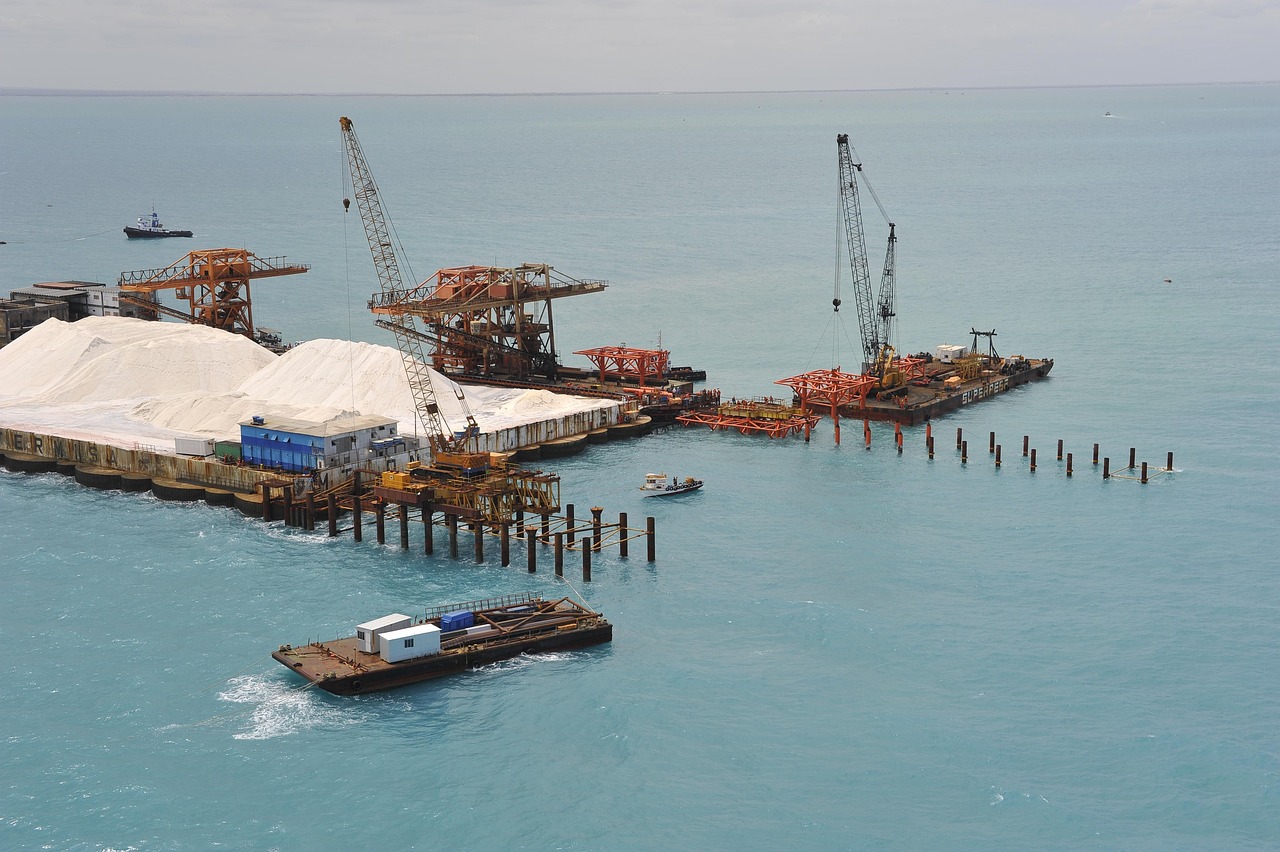
The extraction, while essential for various purposes, can have a significant environmental impact, especially for private wells. As the demand for water increases, it's important to understand the implications of extraction to ensure sustainable practices. One key aspect is the testing and inspection of wells, which are often overlooked but critical. According to the U.S. Geological Survey, improper well construction and inadequate maintenance can lead to contamination, making it vital to adhere to local regulations and seek professional advice.
in the Capital Region, Property Restoration of the Capital Region offers not only emergency the extraction services but also comprehensive well inspection and testing. They emphasize the importance of these services, especially in areas with a high water table, to mitigate environmental damage. Regular assessments can help detect issues like corrosion, leaks, or unauthorized connections, which are common causes of water waste and pollution. By finding a local well specialist, homeowners can ensure their private wells are in good condition, promoting responsible the extraction.
The environmental footprint of the extraction also extends to the surrounding ecosystem. Unregulated extraction can deplete aquifers, affecting local wildlife habitats and water quality. This is particularly concerning in community water sources, where the needs of many rely on sustainable extraction practices. Well-managed community water systems in urban areas have been shown to maintain a steady water table, ensuring a consistent supply while minimizing environmental disruption. This demonstrates the potential for balance through responsible extraction, highlighting the need for both local and regional cooperation.
while the extraction is a vital service, especially during emergencies, it's essential to consider the environmental implications. By implementing proper well testing and inspection, as recommended by local authorities and professionals like Property Restoration of the Capital Region, we can protect our water resources for future generations. This complete approach to water management ensures a sustainable supply while mitigating the ecological impact of extraction.
Efficient Water Extraction: Best Practices
Efficient the extraction is a delicate balance of science and skill, requiring expertise to ensure minimal damage and swift restoration. When facing water damage, whether from a burst pipe, flood, or other emergency, turning to local professionals is important. In Albany, for instance, where drilling for clean water is a critical aspect of community resilience, well pump experts and service providers play a vital role. Property Restoration of the Capital Region, for example, has been a trusted name in the industry, offering not just the extraction but comprehensive restoration services tailored to local needs.
The process of efficient the extraction involves several key steps. First, assessing the source and extent of the water intrusion is paramount. This step dictates the strategy, from the type of equipment needed to the techniques employed. Wellhead repairs and maintenance are a specialized aspect, important for protecting the integrity of groundwater sources. Once the source is identified, professionals utilize advanced tools like high-pressure pumps and specialized vacuums to extract water swiftly. These pumps can move significant volumes of water, reducing drying time and minimizing the risk of mold and mildew growth.
During and after extraction, preventing cross-contamination is a critical best practice. Water damage restoration experts use advanced drying techniques, including air movers and dehumidifiers, to reduce moisture levels. They also employ antimicrobial treatments to inhibit the growth of harmful bacteria and mold. A study by the U.S. Geological Survey (USGS) highlights the importance of proper wellhead maintenance, showing that nearly 25% of tested wells in certain regions had raised levels of contaminants after flood events. This underscores the need for professional, meticulous extraction and restoration practices.
Local emergency response teams and professional restorers are equipped with the knowledge and resources to handle these situations effectively. They adhere to strict protocols and industry standards, ensuring that every step of the process is carried out safely and efficiently. Whether it's a residential home or a commercial property, these experts provide vital services, helping communities recover from water-related disasters. By relying on their skills and technology, residents can mitigate potential health risks and restore their properties to their pre-damaged state.
Frequently Asked Questions About water extraction experts near you
What is the extraction, and why do I need it? The extraction is the process of removing water from a structure after it has been flooded. It's important for preventing mold growth, structural damage, and the loss of personal belongings. Prompt extraction by professionals is essential, as it can save thousands in restoration costs and ensure a healthier living environment. The faster the extraction, the less damage occurs, making it a vital step in the disaster recovery process.
How do I find a reliable the extraction expert? Look for licensed and insured professionals with experience in your area. Online reviews and referrals from trusted sources are valuable. Reputable companies will have a physical location and a team of trained specialists. Check their equipment and certifications, such as IICRC (International Institute of Restoration Certification) credentials. Ask for references and examples of their work, ensuring they're capable of handling your specific extraction needs.
What should I expect from the extraction service? A professional service will first assess the damage, then create a plan tailored to your situation. They'll use advanced equipment like high-efficiency pumps and dehumidifiers to extract water and dry out the affected areas quickly. The process involves removing water from walls, floors, and furnishings, as well as sanitizing and deodorizing the space to prevent mold. Regular updates and detailed documentation of the restoration process are standard practices.
How quickly can the extraction team respond? Most reputable services aim to arrive on-site within 1-2 hours of your call, especially in emergency situations. Their promptness is important for minimizing damage. The actual extraction process can take from a few hours to several days, depending on the extent of the flooding. Some factors include the size of the property, the source of the water, and the level of contamination.
What happens after the water is extracted? Once the water is removed, the extraction team will use fans and dehumidifiers to dry out the property. They may apply specialized treatments to address mold or mildew concerns. Finally, they'll provide a final report outlining the work completed and any ongoing recommendations for restoration or repair.
How much does the extraction cost? The cost varies based on several factors, including the size of the property, the water source (e.g., burst pipe vs. Hurricane), and the level of damage. A typical residential job might range from $5,000 to $20,000, while larger commercial projects can cost much more. Most companies offer free estimates, allowing you to understand the potential costs before any work begins.
Can I handle the extraction myself? While DIY methods can be used for minor flooding, extensive the extraction is best left to professionals. They have specialized equipment and training to handle large-scale jobs safely and effectively. Attempting DIY extraction can lead to further damage, health risks, and inadequate drying, potentially voiding insurance claims.
The extraction is a critical service, whether for emergency response, commercial restoration, or community support. By understanding the diverse techniques, environmental implications, and best practices, we can make informed decisions when seeking local the extraction experts. The article highlights the importance of identifying specialized restorers for urgent situations, emphasizing the value of top-rated, community-based providers who offer efficient solutions while minimizing environmental impact. Next steps include contacting local disaster response teams, exploring non-profit restorers, and adopting best practices to ensure swift and sustainable the extraction when needed.
The extraction: Finding the Right Experts for Every Scenario
When water damage strikes, understanding the various the extraction specialists is key. Local companies focus on quick response and property protection, while emergency teams handle severe situations. For minor issues, community-based restorers offer efficient, cost-effective solutions. Complex cases, like severe flooding or well emergencies, require professional restorers or urgent response teams with specialized skills and equipment.
The right approach varies from simple pumping to complex drying methods. Local well service providers excel in deep well systems and maintenance, balancing extraction with pressure. Property Restoration of the Capital Region, for example, offers well inspection and comprehensive restoration services.
Environmental impact is important. Regular well testing and inspection protect against contamination and depletion. Responsible extraction practices ensure sustainable water sources for communities.
Efficient the extraction combines science and skill. Professionals assess, extract, and dry properties, preventing cross-contamination. Local experts, like Property Restoration, provide tailored, safe restoration services, helping communities recover from water-related disasters.