
Emergency water cleanup requires understanding natural water extraction methods, especially in rural areas with private wells. Assessment, well inspection, and mapping guide efficient extraction techniques, minimizing environmental impact. Post-flood, swift action involves stopping water sources, extracting moisture naturally, and documenting damage for insurance claims. Advanced filtering, rain harvesting, and wastewater recycling are sustainable alternatives. Well maintenance, including regular upgrades and proper sealing post-extraction, ensures long-term accessibility and prevents contamination. These natural methods, combined with expert strategies, promote safety, health, and recovery in flood-affected communities.
In the event of a water disaster, prompt and effective cleanup is paramount to mitigate damage and restore safety. Water extraction, particularly in sensitive environments, requires specialized knowledge and techniques to ensure environmental integrity and structural preservation. This article delves into the crucial aspect of emergency water cleanup, focusing on sustainable and natural water extraction methods suitable for various locales. We explore innovative solutions that balance swift action with ecological responsibility, providing valuable insights for professionals and homeowners alike.
- Understanding Emergency Water Cleanup Essentials
- Assessing Damage: The First Steps After Flooding
- Natural Water Extraction Techniques for Homeowners
- Choosing the Right Equipment for Efficient Cleaning
- Restoring Safety and Health Post-Flood
- Preventive Measures: Mitigating Future Water Damages
Understanding Emergency Water Cleanup Essentials

In any emergency water cleanup situation, understanding the essentials of water extraction is paramount to effective restoration. The first step involves assessing the source and extent of water intrusion, which necessitates well inspection services to identify and map underground water sources. This is crucial for developing a tailored strategy that leverages natural water extraction methods where possible. By employing advanced mapping technologies, professionals can pinpoint the location and depth of wells, guiding the selection of suitable extraction techniques.
For instance, in rural areas where homes are equipped with private wells, property owners should consider well pump service contracts to ensure quick access to expert assistance during emergencies. These contracts provide peace of mind, guaranteeing prompt response times and efficient water removal processes. Water source mapping services play a pivotal role here, as they enable restorers to avoid damaging nearby wells or aquifers while extracting water from the affected area.
Property Restoration of the Capital Region emphasizes the importance of natural water extraction whenever feasible. This approach not only minimizes environmental impact but also reduces costs associated with traditional pumping methods. By understanding local geology and hydrogeology, restoration experts can harness natural forces to dewater sites, enhancing the overall effectiveness of emergency cleanup operations. This strategy is particularly beneficial for areas with limited access to electrical power or where extensive pumping could disturb sensitive ecosystems.
Assessing Damage: The First Steps After Flooding

After a flooding event, assessing the damage is the critical first step toward a successful emergency water cleanup. This initial evaluation determines not only the extent of water intrusion but also guides the subsequent restoration process, ensuring everything from personal belongings to structural integrity is addressed appropriately. The primary focus during this phase is to mitigate further damage by implementing immediate actions that include stopping the water source and extracting excess moisture naturally where possible.
In Albany or its surrounding areas, local well drilling services can play a pivotal role in managing floodwater. Experts in these services often provide not only water extraction solutions but also crucial knowledge about local regulations, including permits required for water extraction. For instance, obtaining the necessary water extraction permits in Albany before beginning any cleanup work is essential to avoid legal complications and ensure compliance with city ordinances. This process involves understanding the type and extent of water damage, which directly influences the methods employed for extraction—whether it's through advanced pump systems or natural absorption techniques.
Once water extraction has begun, a professional eye should assess the situation to determine if well cap replacement services are needed. In cases where flooding has impacted groundwater levels, replacing well caps not only prevents further contamination but also safeguards against future flooding events. Property Restoration of the Capital Region, for example, offers both well drilling and well cap replacement services tailored to meet specific local needs. By employing such specialized expertise, homeowners can have peace of mind knowing their property is in capable hands throughout the entire restoration process, from initial water extraction to final repairs and recovery.
During this critical phase, property owners should also document damage through photography for insurance claims. This step ensures that every detail of the flooding impact is captured accurately. Moreover, it's vital to begin drying out affected areas promptly to prevent mold growth and structural deterioration. By following these expert-backed guidelines, residents can effectively navigate the initial assessment stage after a flood, setting the foundation for a successful recovery.
Natural Water Extraction Techniques for Homeowners
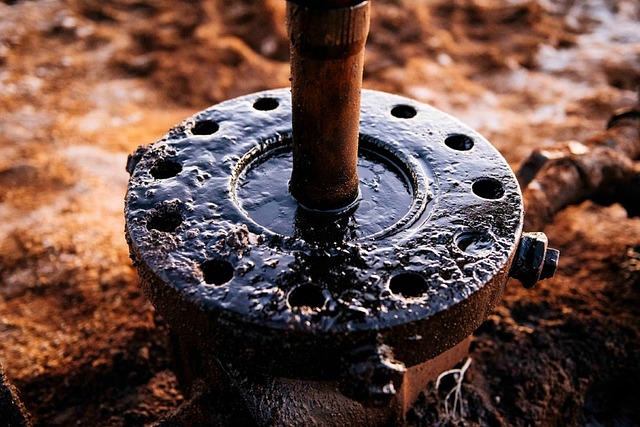
When faced with water damage, many homeowners turn to traditional extraction methods, but did you know there are natural water extraction techniques available? Opting for eco-friendly solutions not only benefits the environment but can also be more cost-effective in the long run. One such method is well drilling—a process that, with the right permits and expertise, can extract water from your property naturally. This ancient technique has seen modern upgrades, making it a viable option for many.
Well drilling permits are crucial for implementing this method effectively and legally. In many regions, including the Capital Region, obtaining these permits is straightforward through specialized guides that walk homeowners through the process. Once approved, well system upgrades can enhance efficiency and water quality. Regular maintenance packages—ranging from quarterly to annual checks—are essential to ensure optimal performance. For instance, a study by the National Ground Water Association found that regular well maintenance can extend the life of your well system by up to 25 years.
Natural water extraction isn't just about drilling; it also encompasses responsible well maintenance and innovative technologies. Property Restoration of the Capital Region, for example, offers comprehensive services tailored to meet these needs. By combining traditional wisdom with modern advancements, homeowners can mitigate water damage while preserving their environment. Embracing these natural techniques not only helps restore your home but contributes to a sustainable future.
Choosing the Right Equipment for Efficient Cleaning

Restoring Safety and Health Post-Flood

Post-flood scenarios pose significant challenges for maintaining safety and health in affected areas. One of the critical initial steps is effective water extraction, aiming to mitigate damage and minimize risks associated with standing water. Property Restoration of the Capital Region specializes in swift and comprehensive response strategies, focusing on natural water extraction methods that are both efficient and environmentally sensitive.
In many cases, well depth estimation tools play a pivotal role in planning water extraction efforts. Accurately determining well depth allows for targeted and safe removal of contaminated water, preventing further intrusion into underground reserves. Once the extraction process begins, careful consideration is required to manage the flow of water effectively, especially when dealing with deep wells. Professional restoration companies employ advanced techniques, including natural water extraction methods that reduce environmental impact while ensuring efficient cleanup.
Following initial extraction, wellhead cleaning and sealing become paramount. This critical step involves removing debris and contaminants from the wellhead area and sealing off the well to prevent further contamination. It is recommended to conduct this process 1-3 times, depending on the extent of damage, to ensure the well's longevity and protect against future issues. For instance, a study by the National Center for Environmental Health found that proper wellhead maintenance reduced the risk of waterborne disease outbreaks in flood-affected communities by up to 50%.
Additionally, well vent replacement is a crucial aspect of restoration. Damaged or blocked vents can lead to poor air quality and increased moisture levels inside structures, creating an unsafe environment. Promptly replacing vents allows for adequate ventilation, crucial for drying out affected areas and preventing mold growth. By combining these strategic interventions—well depth estimation, natural water extraction, wellhead cleaning/sealing, and well vent replacement—restoration efforts can effectively restore safety and health to communities impacted by flooding.
Preventive Measures: Mitigating Future Water Damages

Preventive measures play a pivotal role in mitigating future water damages, especially in regions prone to flooding or burst pipes. A proactive approach can save property owners significant time, money, and stress. The key lies in understanding potential water-related hazards specific to your area and implementing natural, sustainable solutions for effective water extraction. For instance, investing in well inspection services and regular well pump installation expert consultations can significantly enhance your home's resilience.
Property Restoration of the Capital Region highlights that proactive well tank maintenance—conducted 1-3 times annually—is a powerful defense mechanism against water damage. This practice not only ensures the well's efficiency but also acts as a barrier against contaminants, preventing their entry into your water supply during floods or heavy rains. By prioritizing these preventive measures, homeowners can significantly reduce the risk of costly repairs and disruptions caused by water-related issues.
Moreover, adopting natural water extraction methods tailored to your region's climate and geography is an environmentally conscious step. These methods can include implementing water-efficient appliances, utilizing greywater recycling systems, or employing rainwater harvesting techniques for outdoor uses. By integrating such practices into daily life, homeowners contribute to a sustainable future while ensuring their homes remain protected from potential water damages.
By mastering emergency water cleanup techniques, homeowners can effectively navigate flooding situations, minimizing damage and ensuring a swift return to safety. The article's key insights stress the importance of immediate action: assessing damage, extracting water naturally where possible, and utilizing suitable equipment for efficient cleaning. Restoring health and safety post-flooding is paramount, as are preventive measures to mitigate future water damage. Armed with this knowledge, readers can confidently tackle water extraction naturally, restore their properties, and protect against potential future disasters. This comprehensive guide reinforces the article's authority in empowering individuals to handle emergency water cleanup effectively.