Flood damage requires immediate action focusing on water extraction naturally to prevent mold and structural issues within 48 hours. Professional services use advanced equipment and tailored well maintenance packages for efficient removal, ideal for major incidents. DIY methods are suitable for minor floods. Local regulations for well permits ensure safe restoration. Combining natural and efficient techniques, like specialized pumps and dehumidifiers, protects structures and health. Prompt rebuilding efforts with documented processes aid insurance claims. Specialization in deep well excavation addresses high water table counties.
In the wake of natural disasters or accidental plumbing failures, effective water extraction is a cornerstone of any successful flood recovery service. The swift removal of standing water is paramount not only for mitigating structural damage but also for preventing mold growth and ensuring the health and safety of affected individuals. Professional flood recovery services play a vital role in navigating these challenging situations, offering specialized equipment and expertise to restore homes and businesses to their pre-flood conditions. This article delves into the intricacies of professional water extraction techniques, highlighting both traditional methods and emerging practices that focus on natural, eco-friendly solutions.
- Understanding Flood Damage: Immediate Assessment and Safety
- Water Extraction Techniques: Natural and Efficient Methods
- Restoring Your Property: Step-by-Step Guidance for Recovery
- Dry Out and Dehumidify: Essential Processes for Sanitary Results
- Rebuilding After a Flood: Insurance, Expert Help, and Prevention
Understanding Flood Damage: Immediate Assessment and Safety

Flood damage can be devastating, causing extensive property loss and safety risks. Understanding the immediate assessment and safety protocols is crucial in managing floodwater effectively. The first step after a flood is to ensure the safety of occupants and prevent further hazards. This includes turning off electricity at the main breaker or gas supply valve to avoid electrocution or explosions. Water extraction should be the next priority, as it's one of the most critical aspects in mitigating damage. Professional services employ advanced equipment for water removal, focusing on areas like crawl spaces and hard-to-reach corners, where standing water can foster mold growth if left untreated.
After water extraction, a thorough inspection is essential to identify structural integrity issues and potential health hazards. This might involve assessing the need for well installation companies near me or well maintenance packages, especially in areas where floodwater has infiltrated underground structures. Proper well maintenance is crucial, as it ensures safe drinking water and prevents contamination from floodwater that may contain hazardous materials. It's important to follow local regulations regarding well drilling permits to ensure compliance and safety. For instance, a recent study by the National Oceanic and Atmospheric Administration (NOAA) revealed that prompt water extraction within 48 hours can significantly reduce the risk of mold growth and structural damage in flooded homes.
In the Capital Region, Property Restoration services emphasize immediate action as the key to minimizing flood damage. They offer well-rounded solutions, from water extraction using advanced vacuum systems to comprehensive well maintenance packages tailored to local conditions. Homeowners should remember that while DIY methods can be helpful for minor floods, major incidents often require professional expertise. For instance, a permit guide for well drilling in the region provides clear steps and regulations, ensuring safe and legal well installation or maintenance services. This proactive approach not only restores properties but also safeguards health and peace of mind during challenging times.
Water Extraction Techniques: Natural and Efficient Methods
Water extraction after flooding is a critical step in the recovery process, and it's essential to employ both natural and efficient methods to ensure comprehensive cleanup. In areas prone to floods, like many regions across the globe, professional flood recovery services have evolved to include a diverse range of water extraction techniques, catering to various scenarios. One such service that stands out is Property Restoration of the Capital Region, known for its expertise in managing complex water-related disasters.
Natural water extraction methods involve utilizing local resources and processes to mitigate damage without causing further environmental harm. For instance, in areas with access to clean water sources, natural filtration systems can be employed to remove contaminants from flooded structures. Well inspection services and local well drilling play a pivotal role here; by assessing groundwater quality and availability, professionals can determine the feasibility of using wells for extraction. This approach not only aids in quick drying but also contributes to sustainable recovery practices. For instance, in rural communities with ample water sources, this method has been successfully implemented, reducing the reliance on heavy machinery and minimizing ecological disruption.
Furthermore, combining natural techniques with efficient ones offers a balanced strategy. Well drilling services can facilitate the extraction of excess water, especially in cases where natural drainage is hindered. Water extraction after flooding should aim to remove standing water promptly to prevent mold growth and structural damage. Property Restoration of the Capital Region emphasizes the importance of well-planned interventions, ensuring that each step aligns with local environmental standards. By integrating natural and efficient methods, restoration specialists can achieve optimal results while preserving the region's ecological balance.
Restoring Your Property: Step-by-Step Guidance for Recovery
After a flood, restoring your property requires a systematic approach to minimize damage and ensure a safe living environment. The initial step is to address water extraction, focusing on natural methods where possible. This involves using absorbent materials like sand, towels, or specialized extractors to remove standing water promptly. Time is crucial; quick action prevents mold growth and structural damage. Once the visible water is gone, it's essential to assess the extent of the damage and plan the restoration process.
The next critical phase involves testing and treating well water if your property has a private well. It's recommended to follow a well drilling permits guide and consult local regulations for testing procedures. Homeowners can conduct basic tests using at-home kits to check for contamination by bacteria, nitrates, or other pollutants commonly found in flooded areas. If tests indicate issues, seeking professional well water treatment options is advisable. Treatment methods like filtration, disinfection, or chemical conditioning can restore well water quality, ensuring a safe and reliable source for your home.
Property Restoration of the Capital Region emphasizes the importance of a comprehensive restoration plan, addressing structural integrity, electrical systems, and personal belongings. After initial water extraction and well water testing, professionals can guide you through the process, offering tailored solutions. For instance, they might recommend specialized equipment for drying and dehumidifying, or suggest well water treatment options based on specific contamination levels. Following these steps ensures a thorough restoration, restoring your property to its pre-flood condition and providing peace of mind in challenging times.
Dry Out and Dehumidify: Essential Processes for Sanitary Results
After a flood, proper water extraction is crucial for effective drying and to prevent mold growth. The process begins with the immediate removal of standing water using advanced pumps capable of handling high volumes. This initial step, often referred to as water extraction, naturally paves the way for the next phase: thorough dehumidification.
Professional flood recovery services employ sophisticated dehumidifiers to reduce humidity levels, ensuring a drier environment conducive to faster healing. These machines work by absorbing moisture from the air, leaving behind cleaner, drier air. This is particularly important in areas with high humidity or where evaporation might be hindered, such as in suburban regions like [Suburb], where well water filtration systems can be installed (by experts) to mitigate mineral buildup and ensure safe, potable water post-disaster.
The combination of efficient water extraction and subsequent dehumidification not only preserves structures but also protects the health and safety of occupants. For instance, a study by the Insurance Institute for Business & Home Safety found that homes left wet for more than 48 hours after a flood were 10 times more likely to develop mold growth, which can lead to severe health issues. This is where Property Restoration of the Capital Region's expertise comes into play. Our well-equipped team specializes in not just water extraction, but also in installing well pump systems and advanced filtration systems tailored to local needs, ensuring a thorough dry out and a healthy environment for all.
Rebuilding After a Flood: Insurance, Expert Help, and Prevention
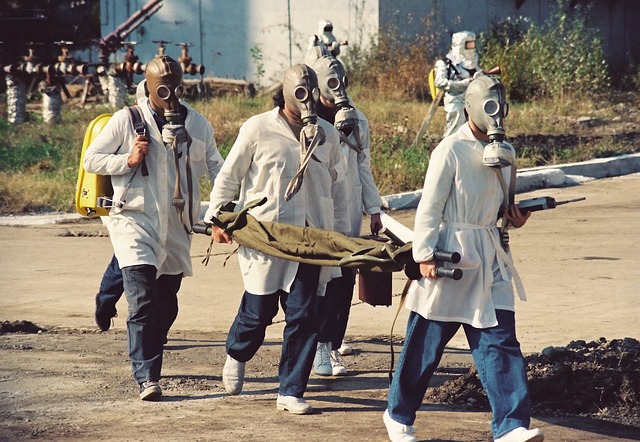
After a flood, rebuilding efforts often feel overwhelming. The initial steps are crucial, especially regarding insurance claims and enlisting expert help. Property owners in the Capital Region must understand that thorough water extraction is not just about removing visible water; it's about addressing the underlying moisture issues to prevent long-term damage. This is where specialized services come into play, offering comprehensive solutions tailored to each unique situation.
Water table levels in counties prone to flooding can significantly impact restoration efforts. In such cases, deep well excavation specialists are invaluable. These professionals employ advanced techniques, including water extraction for construction projects, to lower the water table and facilitate efficient drying processes. By carefully managing water levels, they ensure that structures are restored safely and effectively. Property Restoration of the Capital Region, for instance, has successfully implemented these methods, demonstrating their effectiveness in mitigating flood damage.
When dealing with insurance claims, it's essential to document all aspects of the restoration process. Keep detailed records of water extraction techniques used, including any specialized equipment or methods employed. This not only facilitates smoother claim processing but also ensures that owners receive adequate compensation for necessary repairs. Remember, prompt action is key; the faster you begin rebuilding after a flood, the greater the chances of minimizing structural damage and preventing mold growth, which can significantly impact both health and finances.
By thoroughly understanding flood damage, implementing efficient water extraction techniques such as natural methods, and following step-by-step guidance for property restoration, readers can ensure effective recovery. Dry out and dehumidify processes are vital for sanitary results, preventing mold and further damage. Rebuilding involves strategic planning with insurance experts, seeking professional help, and adopting preventive measures to mitigate future flood risks. Key takeaways emphasize the importance of immediate safety assessments, natural water extraction as a sustainable option, and comprehensive property restoration practices for a successful recovery.