Floods pose severe threats to communities, causing extensive property damage and disruption. Rapid water extraction is important for effective flood cleanup and recovery. When water invades homes, businesses, or public spaces, professional intervention is essential.
Local disaster response teams and emergency services often lead the initial water extraction efforts, but severe cases require specialized equipment and expertise. Professional restorers and commercial restorers are trained to handle these situations, deploying advanced water extraction services that mitigate mold growth, preserve structures, and restore affected areas.
Community-based restorers play a vital role, too, providing swift support to neighbors in need. With the right resources and know-how, these teams ensure communities rebound faster from devastating floods.
- Initial Assessment and Safety: Prioritizing Human Life and Property
- Rapid The extraction Techniques: Limiting Damage
- Structural Drying and Mold Prevention: A Comprehensive Approach
- Post-Flood Restoration: Rebuilding Communities Sustainably
Initial Assessment and Safety: Prioritizing Human Life and Property
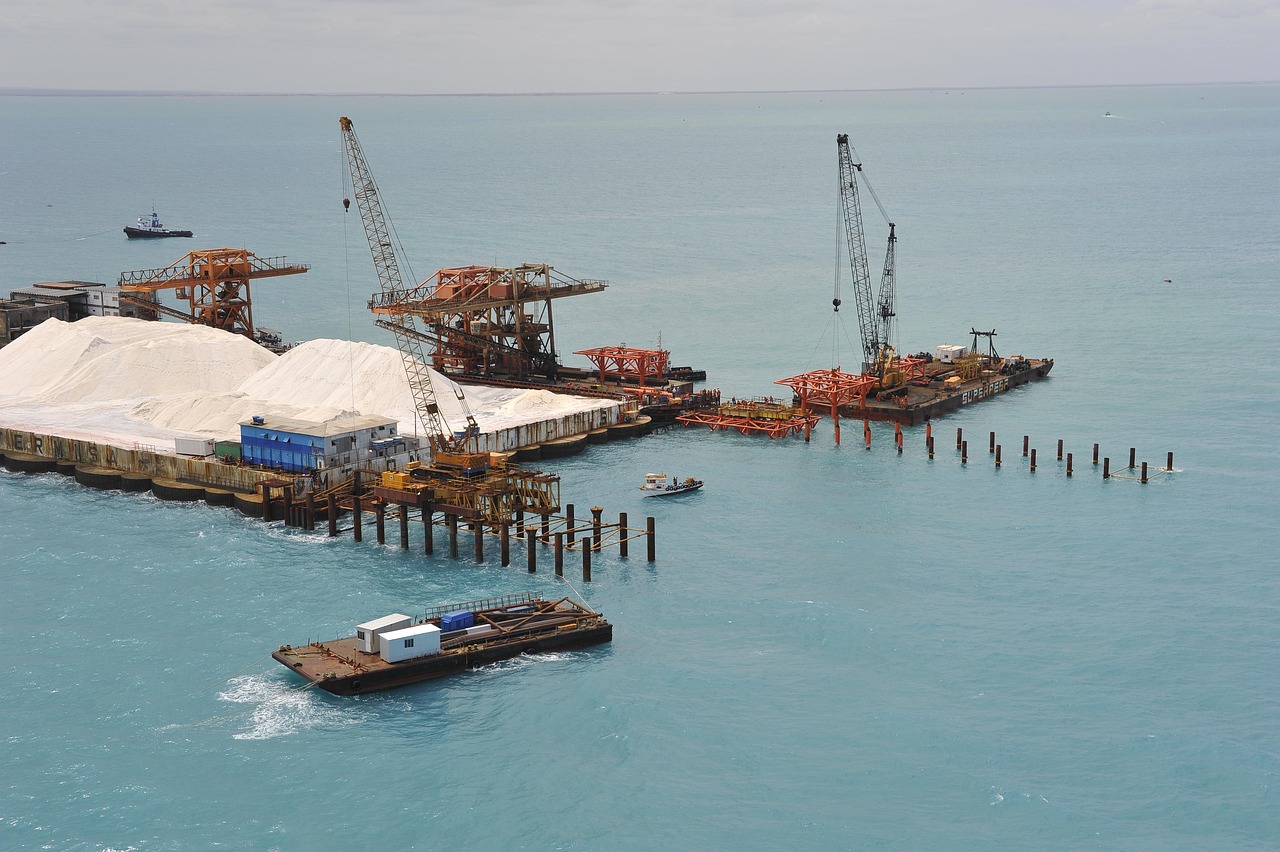
In the immediate aftermath of a flood, the first step in effective the extraction and property restoration is a thorough initial assessment. This critical phase prioritizes human life and property safety, laying the groundwork for a structured and efficient cleanup process. The initial assessment involves a comprehensive evaluation of the damaged area, including structural integrity, water levels, and the scope of contamination. A 2021 study by the National Institute of Standards and Technology (NIST) highlighted the importance of rapid assessment for mitigating flood risks, emphasizing that timely intervention can significantly reduce loss.
Safety is paramount, especially when dealing with potential hazards like electrical risks and structural failures. Trained professionals, including well-equipped emergency response teams and professional restorers, should conduct these assessments. They will identify immediate dangers, such as flooded electrical panels or compromised building foundations, and guide residents on evacuation if necessary. During the 2020 flood in Albany, New York, local the extraction companies and emergency services worked together to ensure the safety of residents, many of whom required well pump repair services after their homes were affected by contaminated water.
Once safety concerns are addressed, the assessment team determines the extent of the extraction required. This involves not just pumping out water but also assessing the need for specialized equipment, like high-flow water extractors, to handle significant water accumulation. In severe cases, communities may rely on regional services, such as those provided by Property Restoration of the Capital Region, which has the capacity to deploy top-rated restorers for large-scale operations. Well repair emergency services also play an important role, ensuring that any damage to these vital systems is addressed promptly to prevent further complications.
Data from the Federal Emergency Management Agency (FEMA) shows that efficient initial assessments can lead to substantial savings in cleanup costs and reduced downtime for affected properties. By prioritizing safety and employing specialized the extraction services, communities can expedite recovery, ensuring that both human lives and valuable property are protected.
Rapid Water Extraction Techniques: Limiting Damage

Rapid the extraction is a critical component of effective flood cleanup and damage mitigation. When water invades a property, whether from a burst pipe, heavy rainfall, or a natural disaster, immediate action is essential to minimize structural damage and prevent mold growth. The process involves more than simply vacating the water; it demands precise techniques to address the unique challenges posed by different water sources, including well water.
Local well service providers and professional restorers are equipped with specialized tools and knowledge to handle this delicate task. A well-water sampling kit allows for on-site testing to determine the presence of contaminants. This is important, as well water may be compromised after a flood, posing potential health risks. Property owners in the Capital Region should consider partnering with a reputable service like Property Restoration of the Capital Region, which prioritizes swift, efficient the extraction while ensuring well water quality. According to the U.S. Geological Survey, rapid response is key, with studies showing that prompt action within 24 to 48 hours can significantly reduce repair costs and minimize long-term damage.
The method employed depends on the flood's origin. In cases of burst pipes or low-level seepage, traditional extraction methods using pumps and mops suffice. However, for deeper water or complex situations like flash floods, specialized equipment is necessary. Emergency response teams use advanced the extraction systems, including high-flow pumps and dehumidifiers, to expedite the process. These techniques not only remove water but also reduce humidity, limiting the potential for mold and mildew growth, which can be a significant issue within days. By understanding the specific needs of their property and the expertise of local professionals, homeowners can effectively handle urgent flood cleanup, ensuring their homes are restored safely and efficiently.
Structural Drying and Mold Prevention: A Comprehensive Approach
After a flood, structural drying and mold prevention are critical steps in the urgent flood cleanup process. The extraction services, when conducted properly, play a key role in mitigating structural damage and avoiding costly mold remediation. The goal is to remove standing water, dry out affected areas, and prevent the growth of harmful mold, which can pose significant health risks.
In the immediate aftermath of a flood, local the extraction companies and emergency response teams are often the first on the scene. They employ advanced equipment, such as powerful pumps and dehumidifiers, to extract water from structures, including basements, crawl spaces, and hard-to-reach areas. This swift action is important for minimizing damage to personal belongings and structural components. According to the U.S. Geological Survey, rapid the extraction can reduce the risk of permanent wood damage by up to 50%.
Well-water systems can be particularly vulnerable during floods. In such cases, finding a local well point installer becomes essential. These professionals can assess the damage and provide well repair cost estimates, ensuring the safe and efficient restoration of your water source. A 2020 study by the World Meteorological Organization revealed that areas with proper well maintenance and protection suffered significantly less water contamination after severe flooding events.
Once the initial the extraction is complete, professional restorers employ advanced structural drying techniques. This involves using high-capacity dehumidifiers to lower humidity levels, ensuring that every corner of the affected area is thoroughly dried. Property Restoration of the Capital Region, for instance, specializes in these services, employing advanced technology to monitor and control moisture levels. This comprehensive approach not only repairs water damage but also prevents the onset of mold, which can be a significant health hazard, according to the Centers for Disease Control and Prevention (CDC). Regular monitoring and rapid response are key to minimizing mold growth and ensuring a safe living environment.
Post-Flood Restoration: Rebuilding Communities Sustainably
Post-flood restoration is a critical phase in rebuilding communities, focusing on sustainable practices that not only revive infrastructure but also protect against future water-related disasters. After the initial emergency response and the extraction services have been provided by local disaster recovery teams and professional restorers, the real work begins. This stage involves meticulous well tank maintenance and repair, as water from flooded areas can contaminate local water sources.
a 2020 study by the Environmental Protection Agency (EPA) highlighted the risks of contaminated water wells after major floods, emphasizing the need for proper well repair and rehabilitation. Local water well contractors play a vital role here, offering services that range from assessing well integrity to conducting necessary repairs at a cost that varies based on the extent of damage. According to a survey by the National Association of Home Builders (NAHB), the average well repair cost estimate in the US can range from $2,000 to $10,000, with the average being around $5,000. Proper well maintenance ensures a reliable source of clean water, which is important for public health and economic recovery.
Sustainable restoration practices extend beyond well maintenance. Property Restoration of the Capital Region, for example, has pioneered eco-friendly methods that minimize environmental impact while maximizing structural integrity. This involves using locally sourced materials, implementing energy-efficient solutions, and adopting water-wise landscaping techniques. By adopting such strategies, communities can not only recover more quickly but also build resilience against future floods, reducing long-term costs and environmental degradation. This complete approach to post-flood restoration is key to rebuilding stronger, more sustainable communities.
Frequently Asked Questions About Urgent Flood Cleanup Response
What should I do immediately after a flood?
Act quickly to minimize damage. Turn off electrical power at the main breaker, if safe. Contact insurance agents to report claims. Then, call a professional flood cleanup service. They'll assess the situation, using moisture meters to identify wet areas, and develop a plan to extract water and dry out the space. Quick response prevents mold growth and structural issues.
How do I choose a reputable flood cleanup company?
Look for companies with a proven track record, like those certified by the Institute of Inspection, Cleaning and Restoration (IICRC). Check online reviews and ask for referrals from local authorities or neighbors. Ensure they have the necessary insurance and licenses, and specialize in your type of property damage (residential, commercial). Experience and expertise guarantee a thorough, professional cleanup.
What if my home is heavily damaged by a flood?
For severe cases, a complete structural assessment is important. Engineers or architects may need to inspect the foundation, walls, and floor joists. If damage is extensive, a partial or complete demolition may be necessary before rebuilding. The Red Cross or local emergency services can provide temporary housing while repairs are planned.
What are the health risks after a flood?
Floodwaters can harbor dangerous pathogens, leading to respiratory and gastrointestinal illnesses. Mold growth is also a significant concern. Always wear protective gear during cleanup. Remove wet, porous materials and use dehumidifiers to dry spaces quickly. Proper ventilation and professional cleaning prevent health risks associated with floodwater.
How can I protect my belongings from mold after a flood?
Mold thrives in moist environments. Raise items like furniture and documents to dry areas. Use fans and dehumidifiers to expedite drying. For valuable items, consider specialized cleaning or packaging to prevent damage. Prompt action is key; the faster items dry, the lower the mold risk.
What financial assistance is available after a flood?
Check with your local government and insurance company for relief options. The Federal Emergency Management Agency (FEMA) and the Small Business Administration (SBA) offer loans and grants to eligible individuals and businesses. Non-profit organizations also provide financial aid and resources for recovery.
Who should I contact if I have concerns about flood cleanup?
Reach out to local health and safety departments, your insurance provider, or professional restoration specialists. They can guide you on safety protocols, cleanup methods, and available resources. These entities offer valuable insights tailored to your specific situation and location.
effective urgent flood cleanup requires a multi-step, comprehensive approach that prioritizes human life, property safety, and sustainable community rebuilding. From the initial assessment and safety measures to rapid the extraction techniques, structural drying, and post-flood restoration, each phase is critical in mitigating damage and supporting communities. Key learnings include the importance of professional restorers with specialized expertise, the urgency of immediate the extraction to prevent structural damage, and the need for mold prevention strategies. Moving forward, communities should focus on building resilient infrastructure, utilizing local service providers for swift response, and adopting sustainable restoration practices. By implementing these strategies, we can better prepare for, respond to, and recover from future flood events, ensuring safer and more sustainable communities.
Summary:
Effective the extraction and property restoration after a flood rely on a thorough initial assessment, prioritizing safety and structural integrity. Trained professionals conduct these assessments, identifying hazards and guiding residents. The assessment determines the extent of the extraction needed, utilizing specialized equipment for severe cases. Efficient initial assessments lead to cost savings and faster recovery.
Well water safety is important, requiring local well service providers for testing and repair. Swift action within 24-48 hours minimizes damage, according to FEMA and USGS studies. Professional restorers employ advanced extraction and drying techniques to prevent mold growth and structural damage.
Post-flood restoration focuses on sustainable practices, including well maintenance and eco-friendly construction methods, to protect against future disasters and promote economic recovery.