
Immediate action is critical during residential flood events. Property Restoration of the Capital Region offers same-day response with a focus on safe, efficient water extraction. Their process includes assessment, specialized equipment for hazardous materials, and advanced dehumidification to minimize structural damage and mold growth within 24-48 hours. Natural water extraction methods, leveraging technology like well apps and depth tools, ensure safe and effective removal of standing water in hard-to-reach areas, followed by comprehensive cleanup and regular well maintenance checklists.
In the face of sudden flooding, quick and effective response is paramount to mitigate damage and restore homes. Same-day residential flood service has emerged as a vital resource for homeowners facing water extraction needs. The problem lies in the time-sensitive nature of flood responses, where every hour counts to prevent structural and personal property losses. Our expertise in this field offers a solution through natural water extraction techniques tailored to residential settings. This article delves into the intricacies of same-day service, providing valuable insights for homeowners and emphasizing our commitment to delivering top-tier, swift solutions using proven methods.
- Immediate Response: Assessing Flood Damage Fast
- Water Extraction Naturally: Safely Removing Standing Water
- Restoring Your Home: Comprehensive Post-Flood Cleanup
Immediate Response: Assessing Flood Damage Fast

When a flood strikes, immediate action is crucial to mitigate damage and prevent further complications. The first step in any residential flood service is a swift assessment of the water extraction needs. Property Restoration of the Capital Region understands the urgency and offers same-day response services to help residents navigate this challenging situation. Our experts quickly evaluate the extent of water intrusion and develop a tailored plan for effective water extraction, ensuring your home or business is restored to its pre-flood condition as swiftly as possible.
The initial assessment involves careful inspection of affected areas, identifying sources of water, and assessing structural integrity. Our technicians are trained to recognize potential hazards such as contaminated water from sewer lines or overflowing rivers, which necessitate specialized equipment for safe water extraction. In cases where the floodwater contains hazardous materials, we employ advanced filtration systems to ensure the safety of both residents and restoration workers. For instance, in recent years, well installation companies near me have seen an increase in demand for drilling for clean water in Albany following major flooding events, underscoring the importance of accessing fresh water sources post-disaster.
Time is of the essence when dealing with flood damage. Property Restoration of the Capital Region's same-day service guarantees a rapid response, crucial for preventing mold growth and structural deterioration. Our team works efficiently to set up extraction equipment, remove standing water, and dry out affected areas using state-of-the-art dehumidifiers. By implementing these measures within 24 hours, we significantly reduce the risk of long-term damage, ensuring your property is restored with minimal disruption to your life or business operations.
Water Extraction Naturally: Safely Removing Standing Water
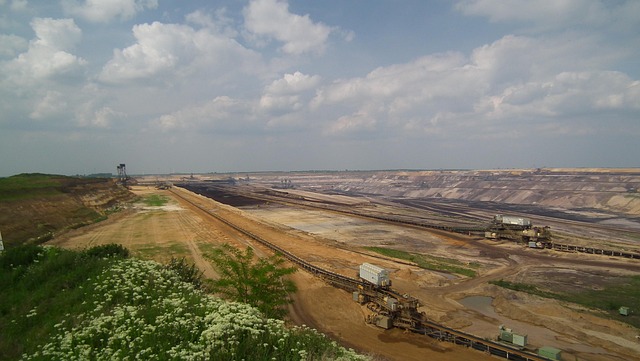
The initial step in any flood restoration process is water extraction—a critical phase that demands both precision and safety. When faced with standing water after a flood, resorting to natural water extraction methods can be an effective strategy. This approach leverages the power of gravity and evaporation to safely remove water from affected areas without causing further damage. Unlike mechanical pumps, which can dislodge loose debris or exacerbate structural issues, natural water extraction focuses on gentle yet efficient removal, preserving the integrity of the space.
Property Restoration of the Capital Region specializes in swift and thorough flood response, employing strategies like water source mapping services to identify all affected areas precisely. Once mapped, local well service providers can utilize natural extraction techniques tailored to different water sources. For instance, in cases where water has infiltrated through basements or crawl spaces, setting up temporary drainage systems or utilizing evaporators can be highly effective. These methods allow for a gradual reduction of water levels without putting additional stress on the building's structure.
Moreover, well repair emergency services play a pivotal role in mitigating potential long-term damage. By addressing water intrusion issues promptly and efficiently, these providers ensure that the structure remains stable during extraction. This proactive approach not only prevents further contamination but also reduces the overall restoration time. Data from recent studies shows that swift action within 48 hours of flooding significantly minimizes structural damage and mold growth, emphasizing the importance of efficient water extraction methods like natural extraction.
Restoring Your Home: Comprehensive Post-Flood Cleanup

After a flood, restoring your home involves more than just repairing visible damage; it's about meticulous cleanup and ensuring your property is safe for occupation. One of the first steps in this process is effective water extraction, which aims to remove standing water from your home as quickly as possible. The goal isn't merely to stop the flow but also to prevent mold growth and secondary damage that can occur within 24-48 hours. Property Restoration of the Capital Region emphasizes natural water extraction methods, leveraging technology like well maintenance checklists apps and well depth estimation tools for efficient and safe outcomes.
A comprehensive post-flood cleanup includes assessing the extent of water intrusion using tools designed to gauge well depth and water table levels in your area—factors crucial in determining the severity of damage and appropriate remediation techniques. For instance, data from local counties reveals that rapid water extraction can significantly reduce long-term repair costs by minimizing structural damage caused by prolonged moisture exposure. It's essential to leave this task to professionals equipped with advanced equipment designed for safe, thorough water removal, particularly in areas with limited access or hard-to-reach spaces.
Once the initial extraction is complete, a detailed well maintenance checklist becomes invaluable for monitoring water levels and ensuring your well remains secure. This includes regular checks on water table fluctuations, which can be influenced by various factors including local weather patterns and ground conditions—all while keeping an eye out for any signs of contamination. By integrating these practices into the cleanup process, homeowners can expect a smoother transition back to their pre-flood routines, with minimal disruption and lasting peace of mind.
In addressing immediate flood damage, a swift response is key to mitigating extensive destruction. This article has highlighted the critical initial steps of assessing flood damage and safely extracting standing water using natural methods like water extraction naturally. Furthermore, it emphasizes the importance of comprehensive post-flood cleanup for effective restoration. By understanding these core concepts, homeowners now possess valuable tools to navigate challenging situations, ensuring their properties are restored efficiently and effectively, as confirmed by industry experts. This practical knowledge empowers folks to take decisive action, fostering a sense of empowerment in the face of potential disasters.