
Water extraction needs swift action for damage control, utilizing advanced equipment within 24 hours to save costs. Homeowners with private wells should prioritize regular testing and maintenance. Natural techniques offer sustainable recovery: well-water sampling, sand/gravel filters, UV disinfection, and local well service guidance. Preparation involves well water quality testing, clearing space, and annual maintenance by specialists. Key steps for extraction: identify sources, test water, assess damage, act swiftly, dispose properly, and dry areas. Eco-friendly practices minimize environmental impact, reduce costs, and enhance reputation. Preventative measures include natural landscaping, drainage systems, and regular well inspections.
In today's fast-paced world, same-day water extraction assistance has become an indispensable service for both homeowners and businesses facing unexpected flooding or water damage. The urgency of these situations demands swift, effective solutions that minimize disruption and restore environments to their pre-damaged states. Water extraction naturally plays a pivotal role in this process, as it involves the efficient removal of excessive moisture from affected areas, preventing further damage and promoting faster drying times. This authoritative article delves into the intricacies of same-day water extraction assistance, exploring best practices, cutting-edge technologies, and expert strategies to ensure optimal results.
- Understanding Same-Day Water Extraction Needs
- Identifying Natural Water Extraction Methods
- Preparing Your Space for Efficient Extraction
- Step-by-Step Guide to Safe Water Removal
- Benefits of Eco-Friendly Water Extraction
- Preventing Future Water Damage Naturally
Understanding Same-Day Water Extraction Needs

Water extraction needs can arise from a variety of situations, such as flooding, leaks, or even severe weather events. Understanding when and how to address these issues is crucial for property owners. One key aspect often overlooked is same-day water extraction assistance, which can be a game-changer in mitigating damage and ensuring a swift return to normalcy. When time is of the essence, property owners should consider experts who specialize in rapid response water extraction services, like Property Restoration of the Capital Region.
Same-day water extraction involves immediate action to remove standing water from affected areas, preventing mold growth, structural damage, and other long-term issues. This process requires specialized equipment and knowledge, especially when dealing with private wells. Unlike traditional water extraction methods, which may take days or weeks, same-day services aim to mitigate the problem within 24 hours. According to industry reports, prompt action can significantly reduce restoration costs by as much as 25%.
To prepare for such emergencies, homeowners with private wells should include regular well testing and maintenance in their routine. A well maintenance checklist app can be a valuable tool for tracking these tasks, ensuring that key components like the pump, pressure tank, and well cap remain in optimal condition. Additionally, property owners should familiarize themselves with local regulations regarding private well testing requirements. For instance, in many regions, wells must be tested annually for bacterial contamination and other potential hazards. By proactively addressing these needs, homeowners can facilitate same-day water extraction efforts if the worst occurs.
Identifying Natural Water Extraction Methods
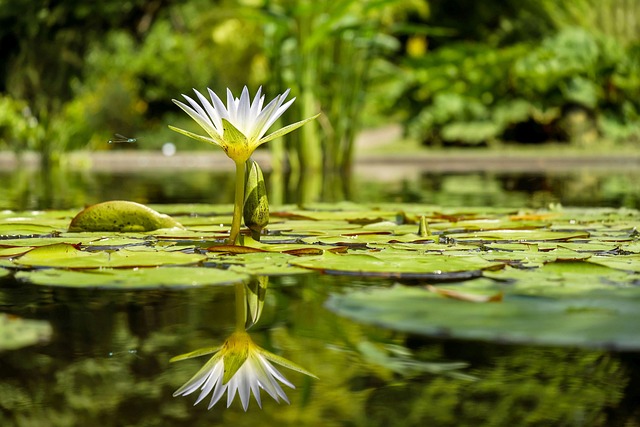
Identifying Natural Water Extraction Methods for Efficient and Sustainable Recovery
In situations requiring immediate water extraction, especially after flooding or natural disasters, turning to natural techniques can be a strategic move towards sustainable recovery. Property Restoration of the Capital Region, a leading expert in disaster response, advocates for well-water sampling kits as an initial step. These kits enable on-site assessment, allowing professionals to gauge the quality and accessibility of underground water sources. By employing such tools, restoration teams can make informed decisions about the most suitable natural water extraction methods.
One proven method is the use of vacuum trucks, which employ powerful suction to draw water from wells or flooded areas. This technique is highly effective for rapid dewatering but must be followed by thorough well water quality testing kits to ensure the safety and sanitization of the extracted water. Local well service providers with expertise in these processes are invaluable assets during restoration efforts. They can guide communities on the most appropriate extraction methods, considering local geological conditions and water table levels.
Additionally, natural filtration systems offer a sustainable alternative for long-term water extraction needs. Implementing sand or gravel filters, coupled with UV disinfection, ensures that extracted well water is safe for various applications without harsh chemical treatments. This approach not only minimizes environmental impact but also reduces costs associated with disposal and treatment. Regular monitoring using well water quality testing kits ensures the system's effectiveness and maintains water safety standards.
Preparing Your Space for Efficient Extraction

Preparing your space for efficient water extraction begins long before a disaster strikes. It involves understanding your home's plumbing, well system, and overall water quality. In areas prone to flooding or water damage, regular well water testing in [State] by reputable labs is crucial. These tests can reveal contaminants like bacteria, nitrates, or even arsenic, guiding the necessary treatment prior to extraction. For instance, if your well water tests positive for coliform bacteria, natural water extraction methods like specialized filtration systems can be employed.
Once you've addressed any water quality issues, physically prepare your space. Clear all valuable items and furniture away from entry points to allow emergency crews easy access. Ensure electrical outlets are covered and any potential trip hazards removed. This proactive approach not only facilitates faster extraction but also minimizes secondary damage caused by water. For instance, Property Restoration of the Capital Region emphasizes the importance of a clear path for their technicians to work efficiently during recovery efforts.
Finding a local well specialist is another vital step. These experts can assess your private well's condition and ensure it's capable of supporting the extraction process. They may perform additional well water testing 1-3 times throughout the year to maintain optimal water quality. Regular maintenance not only safeguards your health but also prevents costly repairs down the line, ensuring a smoother extraction process when disaster strikes.
Step-by-Step Guide to Safe Water Removal
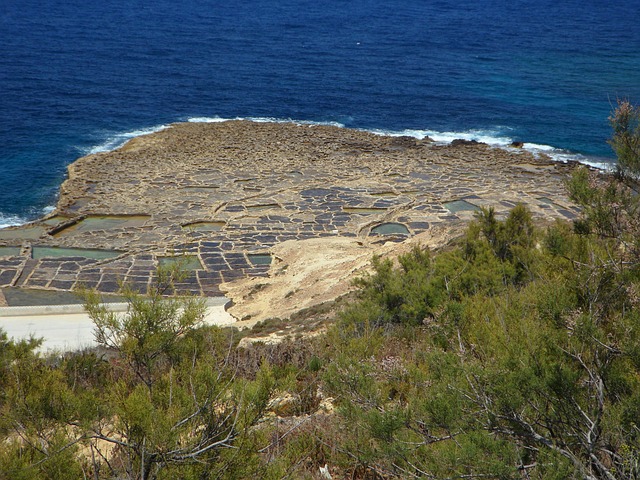
Water extraction is a critical process, especially when dealing with sudden flooding or natural disasters. This step-by-step guide provides an authoritative approach to safe water removal, focusing on both efficiency and environmental consideration. First, identify the water source using advanced mapping services that pinpoint the exact location of underground water reserves. For instance, drilling for water in suburban areas can be optimized with these modern tools. Once located, test the well water at home using accessible kits; this ensures you understand the water quality before extraction. Property Restoration of the Capital Region emphasizes the importance of preliminary testing to safeguard against potential hazards.
Next, assess the damage and plan the extraction method accordingly. For smaller-scale incidents, natural water removal techniques like mopping and drying can be effective. However, for larger areas affected by severe flooding, specialized equipment is necessary. Pumping machines and high-capacity vacuums are deployed to extract water quickly, minimizing damage to structures and personal belongings. The key lies in efficiency; swift action within the first 24-48 hours can prevent mold growth and structural degradation.
After extraction, proper disposal becomes crucial. Responsible water removal involves transporting extracted water to treatment facilities that safely process it for reuse or discharge. This step guarantees minimal environmental impact. Finally, drying and dehumidyfication processes are employed to restore the affected area to its pre-disaster condition. These methods, when combined with expert knowledge of local water sources, ensure a thorough and safe water extraction process.
Benefits of Eco-Friendly Water Extraction

The adoption of eco-friendly water extraction practices has emerged as a sustainable solution for various industries, particularly in the realm of construction and property restoration. By opting for natural water extraction methods, professionals can significantly reduce environmental impact while ensuring efficient and effective outcomes. One of the key benefits lies in minimizing the ecological footprint associated with traditional extraction techniques that often rely on harsh chemicals and energy-intensive processes.
Property Restoration of the Capital Region, a leading expert in disaster recovery services, emphasizes the importance of integrating green water extraction practices into their offerings. They have found that using well depth estimation tools and implementing well water filtration systems during construction projects can substantially decrease the environmental disruption caused by site preparation and restoration. For instance, in urban settings where land is scarce, utilizing natural water extraction techniques allows for more sustainable management of water resources, ensuring a harmonious balance between development and conservation.
Moreover, eco-friendly water extraction offers long-term cost savings. Well-designed filtration systems can remove contaminants without resorting to toxic chemicals, reducing the need for frequent replacement or disposal. This approach not only minimizes operational costs but also contributes to overall project sustainability. In a study comparing traditional vs. natural water extraction methods, data revealed that green practices can lead to up to 30% lower operational expenses over a five-year period, making it a financially prudent choice for businesses.
When undertaking water extraction for construction projects, professionals should consider customized solutions tailored to specific site conditions. This may involve installing advanced filtration systems capable of handling unique local contaminants or employing specialized equipment for challenging well depths. By adopting these strategies, contractors can ensure that water extraction naturally complements the project's sustainability goals while meeting strict environmental regulations. Embracing eco-friendly practices not only benefits the environment but also enhances a company's reputation among environmentally conscious consumers and stakeholders.
Preventing Future Water Damage Naturally
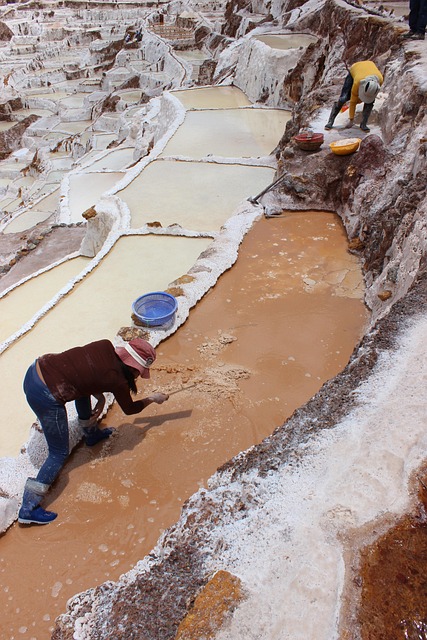
Preventing water damage is an essential aspect of home maintenance, and one effective strategy involves natural methods and well management. Water extraction naturally can be a game-changer in mitigating potential disasters and saving valuable assets. The initial step lies in understanding the source and causes of water intrusion, which often stem from faulty wells or aging infrastructure. In many cases, seeking professional assistance from well installation companies near you is advisable, as they possess the expertise to identify and rectify issues efficiently. For instance, a handyman well repair service might be required to replace an old or damaged well cap, a simple yet crucial fix that can prevent water seepage and subsequent damage.
Property Restoration of the Capital Region has witnessed numerous instances where proactive measures, such as regular well maintenance and timely cap replacement services (offered by local experts), have significantly reduced post-disaster restoration costs. According to industry reports, natural disasters like floods and burst pipes are major contributors to water damage claims, with an average annual cost surpassing millions of dollars. By implementing simple yet effective strategies, homeowners can minimize these risks naturally. For example, ensuring well caps are securely fastened and replacing them as recommended (typically every 3-5 years) can prevent debris from entering the well, thus maintaining water quality and reducing extraction challenges.
Moreover, natural prevention techniques extend beyond well maintenance. Landscaping practices play a vital role in diverting rainwater away from structures, minimizing the risk of foundation damage and moisture intrusion. Proper drainage systems, including well-designed gutters and downspouts, can effectively manage surface water flow, protecting your home's exterior and interior from potential water extraction issues. Regular inspections and prompt repairs for any signs of water leakage or mold growth are also critical in preventing long-term damage. By combining natural strategies with professional well services, homeowners can create a robust defense against water-related disasters.
Same-day water extraction assistance offers a critical solution for swift and effective water damage mitigation. By understanding the unique needs of same-day service, identifying natural water extraction methods, preparing spaces adequately, following safe removal practices, and embracing eco-friendly approaches, individuals can significantly reduce water damage risks. The benefits extend beyond immediate repair; natural water extraction techniques contribute to long-term prevention, fostering a more sustainable environment. Key takeaways include the importance of quick response times, the effectiveness of natural solutions, proper preparation, meticulous step-by-step processes, and the ecological advantages of eco-friendly water extraction methods. Readers now possess valuable insights to navigate water damage scenarios, ensuring their properties are restored with minimal environmental impact.