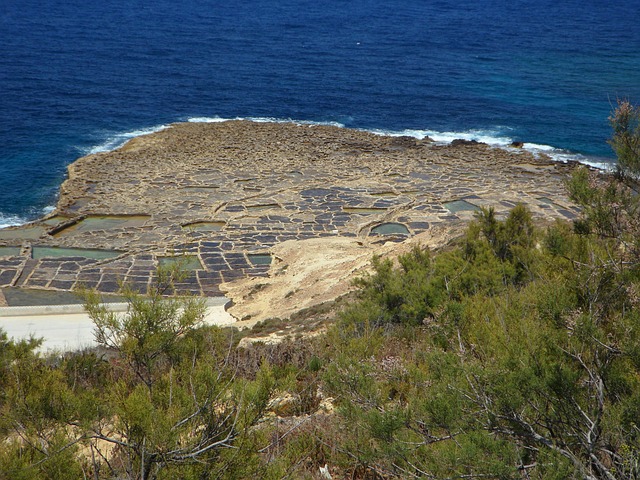
Water extraction requirements vary significantly based on geography, climate, and community size. Rural areas require individual well systems with regular maintenance and testing, while urban centers face high demand necessitating robust infrastructure. The optimal approach combines strategic drilling, efficient technology, and monitoring. Well water testing is crucial to prevent failures.
The global shift towards sustainable practices emphasizes natural methods that respect environmental balance. By combining traditional techniques with eco-friendly technologies, communities can secure clean water supplies while minimizing ecological damage. Well installation companies play a key role in this transition.
In regions facing drought or rapid urbanization, 24/7 local water extraction presents logistical challenges requiring meticulous planning and efficient response systems. Digital monitoring tools offer real-time insights for proactive management.
Mitigation strategies focus on balancing accessibility with ecological preservation through: encouraging natural aquifer replenishment, advanced filtration systems, optimized pumping rates, smart sensors, and collaborative efforts between stakeholders. Community engagement is vital for responsible water extraction practices. Regular wellhead maintenance prevents contamination, maintaining water quality.
In an era where water scarcity is increasingly becoming a global concern, the continuous extraction of local water sources around the clock has emerged as a critical issue. The demand for 24/7 access to water has led to unsustainable practices, often neglecting the natural recharge cycles essential for maintaining healthy aquifers. This extractive approach can deplete underground water tables and disrupt delicate ecosystems, emphasizing the need for a more balanced perspective.
The solution lies in harnessing nature's own mechanisms through sustainable extraction techniques that promote water conservation and ensure a resilient water supply for future generations. By embracing natural processes, we can achieve a harmonious relationship with our water resources.
- Understanding Local Water Extraction Needs
- The Natural Approach to Sustainable Extraction
- 24/7 Operations: Logistics & Challenges
- Environmental Impact Mitigation Strategies
- Community Engagement and Water Conservation
Understanding Local Water Extraction Needs

Local water extraction needs vary widely depending on geographic location, climate, and community size. Understanding these nuances is crucial for sustainable and efficient access to clean water resources. In rural areas, for instance, communities often rely on individual well systems, requiring regular well tank maintenance and thorough water testing at labs like those found in [State] to ensure safety and quality. Urban centers face distinct challenges, with high population densities demanding robust infrastructure that can meet 24/7 demand without straining local aquifers.
The optimal approach to water extraction naturally involves a combination of strategic drilling, efficient pumping technology, and regular monitoring. Well drilling permits guide these processes, ensuring compliance with environmental regulations designed to preserve water quality. For property owners in the Capital Region, accessing reliable well water requires navigating these complex systems. Property Restoration of the Capital Region specializes in addressing such needs, offering expertise in well system installation, maintenance, and repair.
Regular assessments are key to optimizing local water extraction. This includes periodic well water testing to detect contaminants and ensure adherence to safety standards. Data from [State] environmental agencies highlights the importance of proactive measures; over 70% of well failures are attributed to lack of maintenance and regular monitoring. By embracing best practices, communities can secure a consistent supply of clean water while preserving this vital resource for future generations.
The Natural Approach to Sustainable Extraction

The pursuit of sustainable water extraction practices has become a paramount concern for communities worldwide. One of the most promising approaches to achieving this is through natural methods that harmonize with the environment. By leveraging time-tested techniques and embracing eco-friendly technologies, local areas can ensure a consistent supply of clean water while minimizing environmental impact. The concept of 'water extraction naturally' involves a holistic strategy where communities work in tandem with nature rather than against it.
In many regions, well installation companies play a pivotal role in facilitating this transition. These experts not only offer services for drilling and maintaining wells but also guide residents through the process of obtaining well drilling permits—a crucial step to ensure compliance with local regulations. For instance, in the Capital Region, Property Restoration specialists have been instrumental in promoting sustainable water solutions, providing tailored advice on well installation and maintenance. This includes recommending advanced well water filtration systems that remove contaminants, ensuring safe and healthy water for local inhabitants.
The benefits of this natural approach extend beyond environmental preservation. It empowers communities to take charge of their water resources, fostering a sense of self-reliance. Moreover, it reduces the carbon footprint associated with traditional extraction methods, contributing to global sustainability goals. As the world grapples with increasing water scarcity and pollution, adopting such practices is not just an option but a necessity. By embracing natural water extraction, communities can safeguard their most precious resource for generations to come, setting an example for eco-conscious stewardship.
24/7 Operations: Logistics & Challenges

The 24/7 operation of local water extraction facilities presents unique logistical challenges and requires meticulous planning to ensure sustainable and responsible access to this vital resource. In areas where water scarcity is a concern, such as certain suburbs facing drought or rapid urbanization, continuous water extraction becomes essential but also complex. Drilling for water in these regions demands advanced technologies and strategies to maintain a consistent water supply while minimizing environmental impact.
One of the primary challenges is managing the logistics of round-the-clock operations. This involves coordinating specialized equipment, skilled labor, and maintenance schedules to prevent downtime. For instance, private well testing requirements must be rigorously followed to ensure water quality and safety. Regular testing for contaminants and monitoring of water levels are crucial tasks that require dedicated resources and timely execution. Moreover, well repair emergency services play a vital role in addressing unexpected issues like sudden drops in water pressure or leaks, which can occur at any time, emphasizing the need for 24/7 preparedness.
To navigate these complexities, water extraction companies must employ robust communication systems to coordinate teams and ensure efficient response times. Implementing digital monitoring tools allows for real-time tracking of well performance and water quality, enabling proactive management. For example, utilizing advanced sensors can provide early warnings about potential issues, allowing for prompt action to prevent major disruptions. Additionally, establishing partnerships with local authorities and community organizations facilitates effective resource allocation during times of peak demand or emergencies, such as natural disasters, when reliable water access becomes a critical priority.
In the Capital Region, Property Restoration specialists understand these challenges and are equipped to support local communities. They offer well repair services and emergency response, ensuring that residents have access to clean water when it matters most. By combining cutting-edge technology with experienced personnel, these professionals contribute to sustainable water extraction practices, allowing for the continued development while preserving this precious resource for future generations.
Environmental Impact Mitigation Strategies
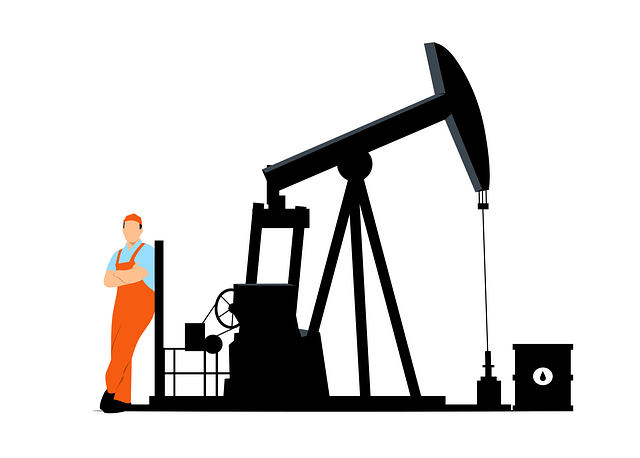
The environmental impact of 24/7 local water extraction has become a critical area of focus as communities increasingly rely on well water as a primary source. Mitigating these impacts requires a multifaceted approach that balances accessibility with ecological preservation. One promising strategy is to encourage and facilitate the natural replenishment of aquifers through sustainable practices such as minimizing surface runoff and promoting responsible land use around wells.
Property Restoration of the Capital Region, for instance, emphasizes well water extraction naturally by offering expertise in well inspection services and the installation of advanced well water filtration systems. These systems not only ensure clean and safe drinking water but also reduce environmental stress on local aquifers. By employing professionals who specialize in well pump expert services, communities can optimize their water extraction methods while minimizing ecological disruption. This includes regular maintenance, efficient pumping rates, and careful monitoring of water levels to prevent over-extraction.
Furthermore, leveraging technological advancements like smart sensors and data analytics allows for real-time monitoring of aquifer health, enabling proactive management strategies. For example, early detection systems can identify changes in groundwater levels or quality, triggering timely interventions to preserve the well's longevity. Collaborative efforts between local governments, environmental agencies, and well owners are crucial to implement these mitigation strategies effectively. This collective approach ensures that communities have access to clean water while safeguarding the delicate balance of their natural ecosystems for future generations.
Community Engagement and Water Conservation
In ensuring sustainable access to water resources, community engagement plays a pivotal role in promoting responsible water extraction practices. Local residents and stakeholders can drive transformative changes by actively participating in decision-making processes related to well drilling permits. This collaborative approach fosters transparency and encourages environmentally conscious water extraction methods, such as adopting natural water extraction techniques where feasible. By understanding the local hydrology and implementing tailored strategies, communities can optimize water availability without causing environmental degradation.
Engaging with experts, including geologists and water conservation specialists, is crucial for navigating the complexities of well drilling permits. Proper permit guidance ensures compliance with regional regulations, thereby minimizing the potential ecological footprint of extraction activities. Moreover, regular wellhead cleaning and sealing practices are essential for preventing contamination and maintaining water quality. Property Restoration of the Capital Region exemplifies this commitment through its specialized services aimed at restoring wellheads to optimal condition, enhancing long-term water security.
The cost estimates associated with well repair or maintenance can vary widely, typically ranging from 1% to 3% of the initial well drilling investment. While these expenses may seem significant, they represent necessary investments for sustaining water extraction efficiency and safety over time. Well owners should consider these costs as part of their long-term operational budget, recognizing that proactive measures like regular maintenance can prevent more costly repairs in the future. By embracing a culture of responsible water conservation, communities can ensure a resilient water supply for current and future generations.
The article offers a comprehensive overview of 24/7 local water extraction, highlighting the importance of understanding regional needs, adopting sustainable practices, and addressing logistical challenges. Key insights emphasize the natural approach to water extraction, where environmental impact mitigation strategies play a crucial role in preserving ecosystems. Community engagement and conservation efforts are vital for long-term sustainability. By integrating these principles, communities can ensure responsible and efficient water resource management, fostering a harmonious relationship between 24/7 operations and the environment. Moving forward, adopting natural methods in water extraction is not just an option but a necessary step towards preserving our planet's most precious resource.