




Flood impact assessment guides water extraction methods, focusing on wellhead repairs, duration, and contamination. Specialized knowledge is key for severe cases. Property Restoration advocates natural water extraction techniques like well point installation for safer removal. Well system upgrades enhance homes' resilience. Post-flood recovery requires strategic cleanup: efficient moisture extraction, decontamination, and guidance on future infrastructure enhancements. Focus on natural water extraction methods and proactive well maintenance for optimal protection against future flooding.
In the face of increasing climate variability, flood events have become a pressing concern for communities worldwide, including [neighborhood]. Prompt and effective cleanup is not just about restoring physical structures; it’s about mitigating health risks, preserving valuable possessions, and ensuring a swift return to normalcy. Traditional methods often rely on aggressive pumping, but we offer an alternative approach centered around natural water extraction techniques. Our expert flood cleanup services in [neighborhood] prioritize safety, environmental preservation, and efficient restoration using innovative, non-intrusive strategies.
- Assessing Flood Damage: The First Step in Water Extraction
- Safe & Natural Water Removal Techniques for Your Home
- Restoring Your Neighborhood: Post-Flood Cleanup Strategies
Assessing Flood Damage: The First Step in Water Extraction

When a flood strikes your neighborhood, the initial step in mitigating damage and ensuring safe water is a thorough assessment of the flood’s impact. This critical process involves evaluating water levels, duration of exposure, and potential contamination—all factors that guide decisions on water extraction methods. In severe cases, especially where private wells are involved, specialized knowledge is essential for safe and effective water extraction to prevent further health risks and property damage.
In [neighborhood], Property Restoration of the Capital Region stands as a beacon of expertise in flood cleanup, prioritizing safety and efficacy. They emphasize that after a flood, wellhead repairs and maintenance become paramount. If your home has a private well, it’s crucial to have it tested for potential contamination from floodwaters. Local water well contractors are equipped with the necessary tools and knowledge to perform these tests and ensure that any required wellhead repairs are made correctly. This step is vital not just for protecting your water supply but also for adhering to local health department regulations and private well testing requirements.
The process of assessing flood damage includes examining the well’s structural integrity, checking for corrosion or leaks, and assessing water quality. If contamination is suspected, specialized water extraction techniques may be employed to remove impurities. Property Restoration of the Capital Region recommends engaging with licensed professionals who specialize in both wellhead repairs and safe water extraction. They note that while DIY solutions might seem appealing, they can lead to further complications if not handled correctly, underscoring the importance of turning to local water well contractors for expert guidance and execution.
Safe & Natural Water Removal Techniques for Your Home
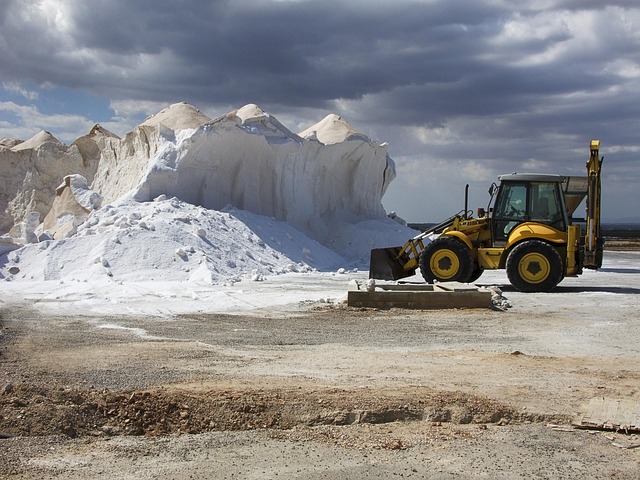
After a flood, one of the most critical steps in restoring your home is safe and effective water removal. Traditional methods often involve harsh chemicals and mechanical equipment, but experts advocate for natural water extraction techniques that are safer for both your family and the environment. By choosing eco-friendly solutions, you can ensure a healthier recovery process while also preserving the value of your property. One such method gaining popularity is well point installation, a localized approach to extracting excess water from your home’s foundation.
This involves drilling strategically placed wells in your yard or around your home, allowing gravity to pull out contaminated water and direct it away from your property. This technique not only speeds up the drying process but also prevents future moisture issues. Many local well point installers specialize in customizing these systems to meet specific neighborhood needs, like those in [Suburb]. For instance, properties near rivers or areas prone to flash flooding may require more robust systems, while others might benefit from simple yet effective solutions tailored to their unique conditions.
Furthermore, well system upgrades can significantly enhance your home’s resilience against future water damage. Regular maintenance and advancements in technology have made these systems more efficient and accessible. For example, modern well point installations can be integrated with smart monitoring devices, allowing you to track water levels remotely. Property Restoration of the Capital Region, a trusted name in flood cleanup, emphasizes the importance of proactive measures like these. By embracing natural water extraction methods and staying informed about local well system upgrades, homeowners can take significant steps towards mitigating water damage risks.
Restoring Your Neighborhood: Post-Flood Cleanup Strategies
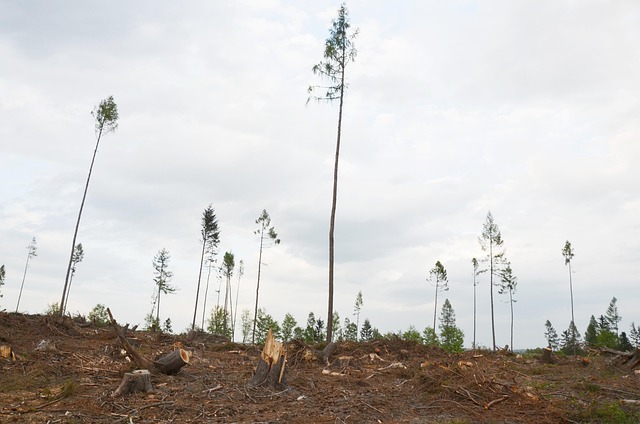
In the aftermath of a flood, restoring your neighborhood is a collaborative effort that requires well-planned strategies to ensure safety and effectiveness. Property Restoration of the Capital Region specializes in providing expert flood cleanup services, focusing on efficient water extraction methods for optimal results. The primary goal is to minimize damage and restore homes and communities as quickly as possible, leveraging advanced techniques like natural water extraction where applicable.
One critical step in post-flood cleanup is evaluating well maintenance. Many residents in the area rely on private wells, making proper care essential. A well maintenance checklist app can serve as a valuable tool for tracking key parameters such as water quality, system performance, and potential contamination risks. By utilizing this technology, homeowners can proactively address issues before they escalate, ensuring the safety of their drinking water sources. Additionally, well system optimization specialists play a vital role in drilling for water in [Suburb] 1-3 times to assess and enhance water availability during such crises.
Effective cleanup involves more than just removing standing water; it entails thorough decontamination and restoration. Property Restoration of the Capital Region’s team employs state-of-the-art equipment to extract moisture efficiently while minimizing structural damage. This natural approach not only speeds up the recovery process but also reduces the risk of mold growth and other long-term health issues often associated with floodwater. Moreover, they offer guidance on preventing future flooding through well system optimization and infrastructure enhancements, ensuring residents are better prepared for whatever weather challenges lie ahead.
In conclusion, this article has provided an authoritative guide to expert flood cleanup in [neighborhood], covering critical aspects from assessing flood damage through to post-flood restoration strategies. Key insights include the importance of rapid action in water extraction, with a focus on safe and natural techniques that protect both property and health. Understanding the initial assessment stage as the cornerstone for effective water removal naturally is paramount. Readers now possess practical knowledge to navigate post-flood challenges, restore their homes, and contribute to the broader neighborhood recovery effort. This authoritative content equips individuals with valuable tools to tackle flood cleanup head-on, ensuring properties are restored safely and effectively.