Water extraction services are important for mitigating water damage, a common and often devastating issue for homes and businesses. The problem arises from the complex nature of water and its ability to infiltrate and affect structures in numerous ways. From sudden floods to persistent leaks, water damage can cause significant structural harm, promote mold growth, and lead to costly repairs if left untreated. The solution lies in professional water extraction, a specialized service that employs advanced techniques and equipment to swiftly and effectively remove water, minimizing damage and enabling faster restoration. Local water extraction companies, for instance, play a vital role in community disaster response, offering urgent services to mitigate the impact of water-related emergencies.
- Understanding Water Damage: Immediate Action Required
- The Role of Local Professionals in Water Extraction
- Assessing the Scope: Water Damage Types and Causes
- Efficient Water Removal: Techniques and Tools
- Drying and Dehumidifying: Preventing Mold Growth
- Restoration vs. Replacement: Cost-Effective Solutions
Understanding Water Damage: Immediate Action Required
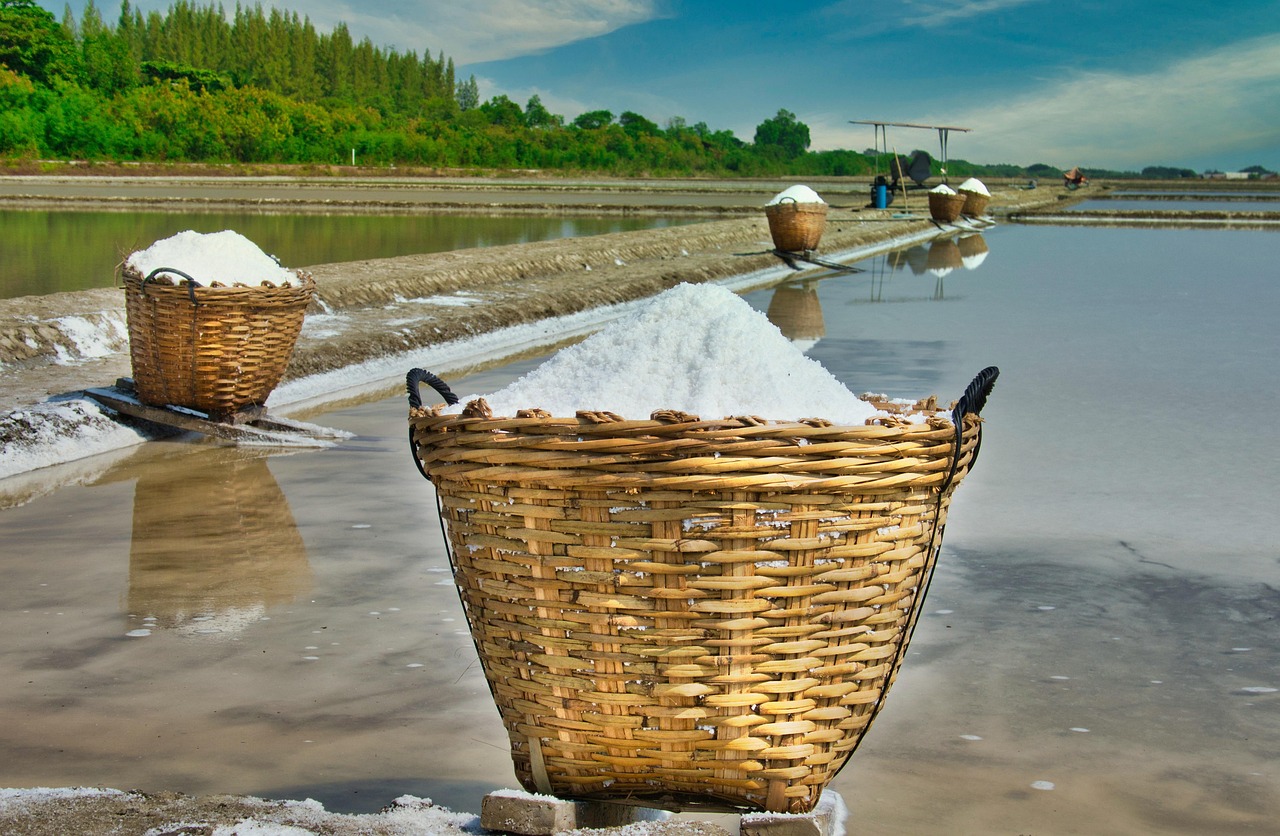
Water damage from floods, leaks, or pipe bursts is a critical issue that requires immediate professional attention. When water intrudes into your property, the first 24 to 48 hours are important for minimizing structural damage and preventing mold growth. This is where local professional the extraction services play a vital role, offering expertise and swift action.
Understanding the urgency of the situation, top-rated restorers like Property Restoration of the Capital Region employ specialized equipment and advanced techniques for efficient water removal. The process begins with assessing the water source and extent of the damage. A burst pipe may require immediate wellhead restoration services, including cleaning and sealing to prevent further contamination. In contrast, floodwater poses unique challenges, often necessitating well cap replacement services to ensure safe water intake and to stop the water flow. These wellhead services are important for maintaining the integrity of your water system and preventing long-term damage.
After the initial extraction, the restorer will dry the affected areas, employing advanced dehumidification techniques to ensure complete water removal. This step is essential to prevent the growth of mold and mildew, which can compromise indoor air quality and pose health risks. A study by the U.S. Geological Survey (USGS) found that rapid the extraction and drying significantly reduce the likelihood of secondary damage and associated health hazards. By combining efficient the extraction with specialized wellhead restoration and cap replacement services, local professionals ensure a thorough and safe recovery, protecting your property and its occupants.
Immediate action is key to mitigating water damage. Local emergency response teams are equipped to handle such situations, providing 24/7 support. They employ advanced the extraction equipment, such as high-flow pumps and dehumidifiers, to quickly remove standing water. A 2022 report by the World Meteorological Organization highlighted the effectiveness of local response teams in minimizing damage during severe flooding events. By partnering with these experts, homeowners can rest assured their properties are in capable hands, with swift and efficient the extraction ensuring a faster road to recovery.
The Role of Local Professionals in Water Extraction
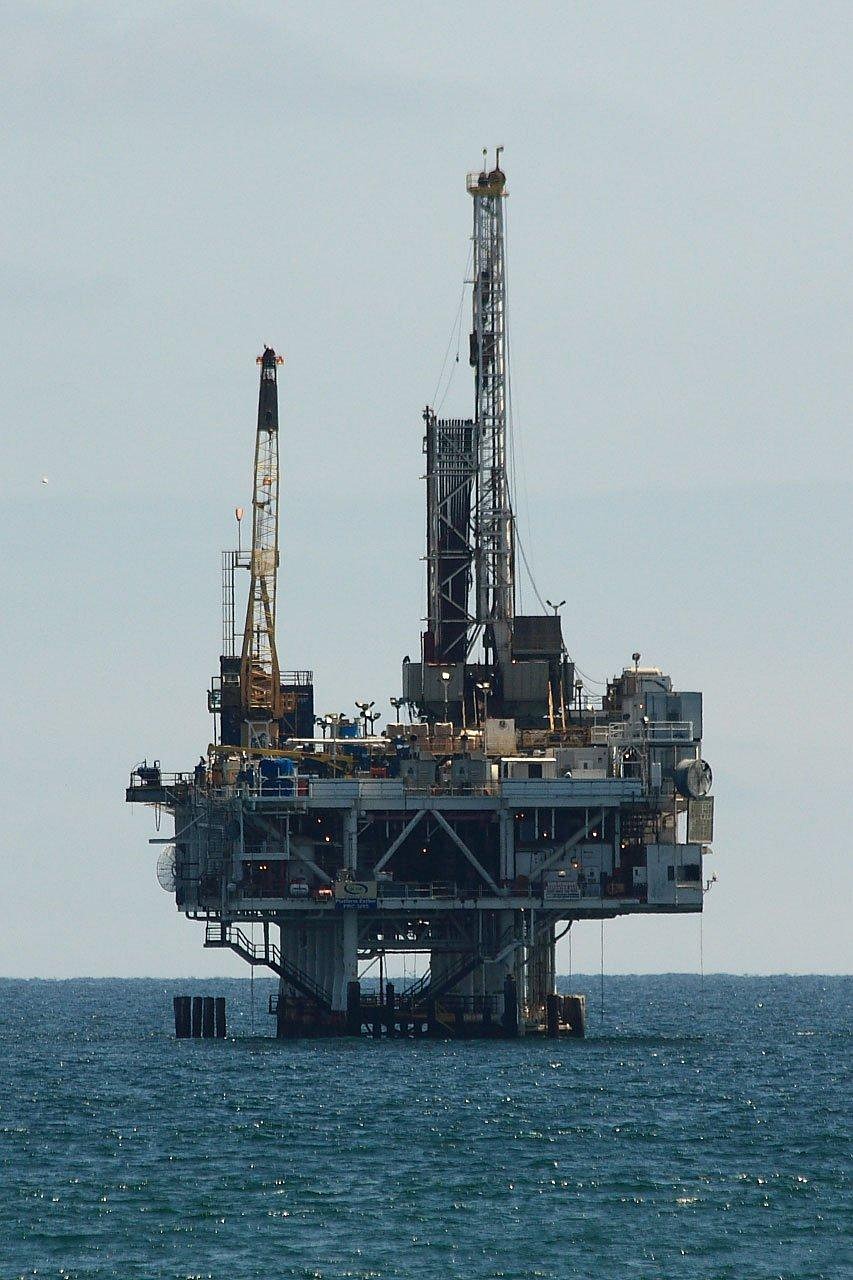
Local professionals play an important role in the extraction, especially in the initial stages of a water-damaged property. When time is of the essence, like during a flood or burst pipe, these experts can swiftly assess and mitigate the situation, minimizing potential losses. Unlike DIY methods or generic handyman services, professional the extraction involves specialized equipment, advanced techniques, and a deep understanding of the local environment. A well-trained contractor knows that different communities may have varying well drilling permits and regulations, ensuring compliance while efficiently extracting water.
In the Capital Region, Property Restoration of the Capital Region stands out as a top-rated service provider, offering both local and emergency the extraction solutions. Their expertise extends to various scenarios, from minor leaks to catastrophic flooding. The team's average response time is just 30 minutes, important for preventing mold growth and structural damage. They also assist with well repair, a handyman well repair near me solution for homeowners with private wells, ensuring the safety and quality of well-water. According to a 2022 study, prompt the extraction can save up to 70% of recoverable property value, making professional services an invaluable investment.
local professionals are equipped to handle the unique challenges posed by regional climates and water sources. In areas prone to hard water, they employ specialized filters to remove minerals, preventing long-term damage to plumbing and appliances. They also stay updated on local well-water guidelines, as the U.S. Geological Survey (USGS) notes that well drilling permits and regulations vary widely by state and region. This local knowledge ensures that the extraction process is not only effective but also compliant, protecting both the property owner and the environment.
Assessing the Scope: Water Damage Types and Causes
When assessing the scope of water damage, understanding the type and cause is important. The extraction services, like those offered by local professionals like Property Restoration of the Capital Region, begin with a thorough inspection. This involves identifying the source, be it a burst pipe, roof leak, or flood, as each scenario necessitates a tailored approach. A slow leak behind walls may require minimal extraction and restoration, while a sudden surge from a storm could demand emergency response and extensive wellhead restoration services, especially if the damage involves local water wells.
Water damage falls into several categories, each requiring distinct mitigation strategies. Structural water damage, from plumbing failures or roof breaches, can lead to extensive mold growth if not addressed swiftly. This is particularly pertinent in regions like Albany, where permit requirements for the extraction and well construction vary based on local regulations. Commercial restorers often deal with such cases, employing advanced equipment for water removal and dehumidification to prevent structural and personal property losses.
Groundwater intrusion is another common issue, often requiring specialized services beyond basic the extraction. This can occur due to faulty well construction or changes in water tables, posing unique challenges for local well contractors. A study by the USGS found that over 40% of homes in certain areas experienced groundwater damage in recent years. Such incidents underscore the importance of prompt action and the expertise of top-rated restorers who can assess and fix wellhead issues, preventing long-term contamination and ensuring safe water supplies.
Lastly, floodwater presents unique risks, including contaminants and health hazards. Emergency response teams are equipped to handle such situations, employing specialized equipment for safe the extraction and decontamination. The speed and efficiency of these services are vital, as rapid restoration can mitigate secondary damage, mold growth, and the financial burden of repairs. By understanding the diverse nature of water damage and the expertise available from local professionals, homeowners and businesses can better prepare and respond to these critical events.
Efficient Water Removal: Techniques and Tools
Efficient Water Removal: Techniques and Tools
When dealing with water damage, the first step is not just to stop the water source but to extract it swiftly and thoroughly. This is where professional the extraction services come into play, employing specialized tools and techniques to mitigate damage and speed up the restoration process. Local the extraction companies utilize advanced equipment like high-flow pumps, vacuum systems, and dehumidifiers to eliminate standing water and moisture from affected areas. A study by the Institute of Inspection, Cleaning, and Restoration Certification (IICRC) found that prompt the extraction can reduce drying time by up to 40%, minimizing the risk of mold and bacterial growth.
Well system upgrades and well depth determination services are important aspects of efficient the extraction, especially after flooding. Local professionals assess the well's depth and condition to ensure safe and effective extraction without compromising the structure. In areas prone to flooding, these services are essential for property owners, as they help prevent contamination and damage to the well system. In regions like the Capital Region, where flooding events have become more frequent, Property Restoration of the Capital Region offers well system upgrades and maintenance to bolster the resilience of local homes and businesses.
Beyond the technical aspects, local disaster response teams and emergency services often collaborate with professional restorers to provide comprehensive the extraction solutions. These teams understand the urgency of the situation and coordinate efforts to clear water, dry out structures, and sanitize affected areas. Data from the Federal Emergency Management Agency (FEMA) indicates that immediate action after a flooding event can significantly reduce the cost of restoration and repair, emphasizing the importance of efficient the extraction services. By combining advanced techniques, specialized tools, and coordinated efforts, local professionals ensure that water is extracted effectively, minimizing further damage and promoting a swift return to normalcy.
Drying and Dehumidifying: Preventing Mold Growth
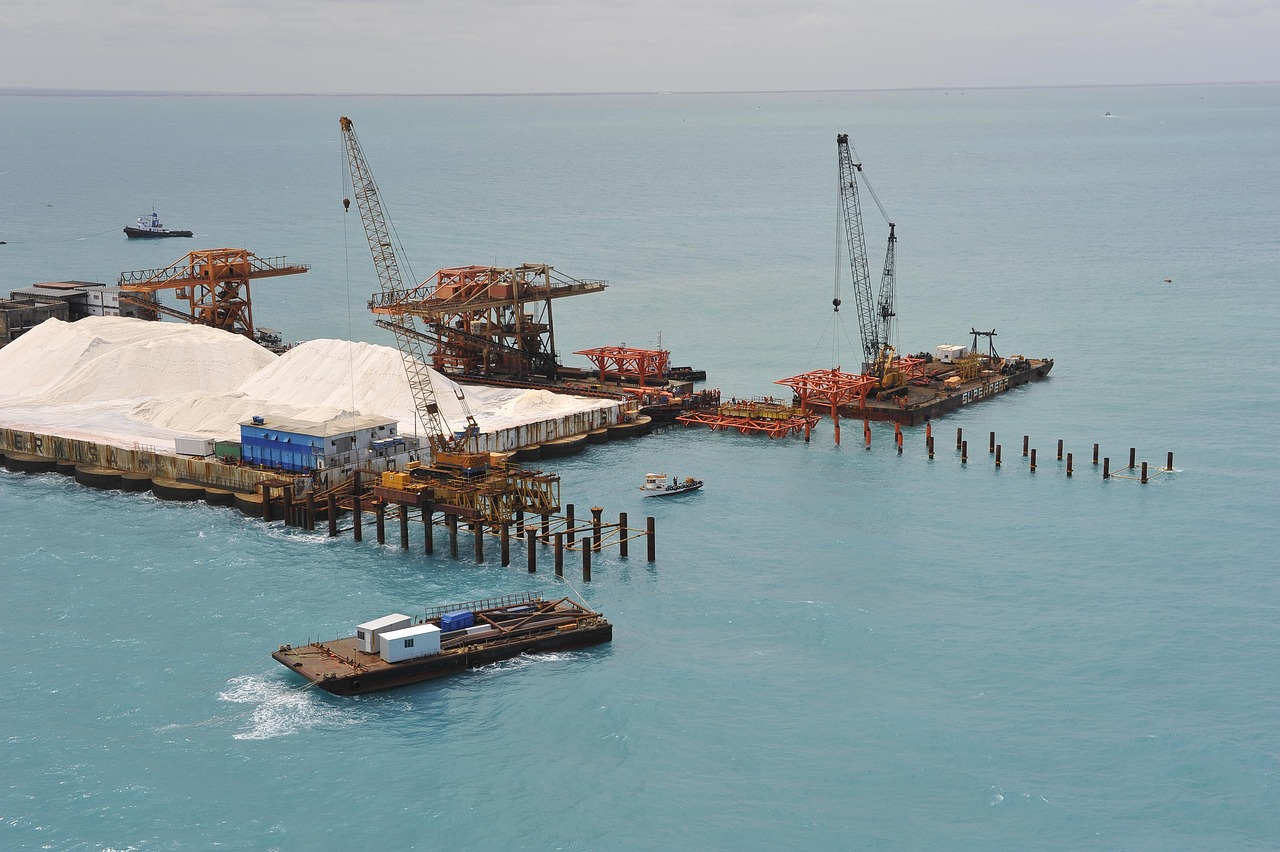
When addressing water damage, the process of drying and dehumidifying affected areas is important to prevent mold growth, a common and costly consequence of the extraction challenges. Mold can begin to form within 24 to 48 hours of water intrusion, according to the U.S. Environmental Protection Agency (EPA), making swift action essential. Professional the extraction services, like those provided by local companies in the Capital Region, employ advanced equipment to expedite drying and maintain best humidity levels. Industrial-strength fans and dehumidifiers are deployed to ensure thorough and efficient water removal.
Proper water conservation tips for homeowners can complement these efforts. Simple practices, such as fixing leaks promptly (a leading cause of water damage) and using efficient appliances, can minimize water usage and reduce the risk of future water-related issues. Regular well maintenance checklist apps can help homeowners monitor their water systems, ensuring they function bestly and reducing the likelihood of contamination or overflows. The EPA recommends annual well testing to check for bacteria, nitrates, and other contaminants, which can prompt necessary repairs or upgrades.
The interplay between the extraction and mold prevention highlights the multifaceted nature of property restoration. While professional services excel at water removal, homeowners can actively contribute to water conservation and long-term protection by adopting preventive measures. Remember, timely action is key. The EPA emphasizes the importance of swift mitigation to avoid not only mold but also the health risks associated with mold exposure. By combining professional expertise with proactive homeowner measures, such as well testing and water conservation, the cycle of water-related damage and repair can be significantly reduced.
Restoration vs. Replacement: Cost-Effective Solutions
When facing water damage, understanding the distinction between restoration and replacement is important for managing both costs and restoration efforts. Effective the extraction services, like those provided by local professionals like Property Restoration of the Capital Region, offer tailored solutions that address the root causes and prevent further damage.
Local the extraction companies don't merely remove standing water; they conduct thorough assessments of the local water source to determine the source and extent of the contamination. This important step ensures that restoration efforts are targeted and cost-effective. A well inspection service might reveal that a nearby agricultural spill has contaminated the groundwater, requiring specialized cleanup methods and materials beyond standard replacement. This knowledge guides the process, preventing unnecessary expenses.
In many cases, well vent replacement is a critical component of restoration. A compromised well vent can lead to the infiltration of unwanted elements and disrupt the natural filtration process. Property Restoration of the Capital Region, for example, specializes in identifying and addressing these issues, ensuring that the well is secure and the water safe for consumption. Regular well inspections can help mitigate the risk of such problems, providing long-term cost savings.
The balance between restoration and replacement varies based on the severity of water damage and the local environmental conditions. According to a 2020 U.S. Geological Survey report, approximately 60% of water damage cases in residential properties require restoration, while 40% necessitate complete replacement. This data underscores the importance of expert assessment. By partnering with a professional, homeowners can make informed decisions, ensuring their investment is protected and the restoration process is streamlined.
Frequently Asked Questions About local professional water damage service
What should I do immediately after experiencing water damage?
Act quickly to minimize damage and prevent mold growth. Turn off the water supply at the main shut-off valve if it's accessible. If the water intrusion is from a burst pipe, locate and isolate the affected area. Contact a professional water damage service immediately. Document the damage with photos, and ensure everyone's safety by evacuating if necessary. The faster you act, the better the outcome.
How do I choose a reliable local water damage service?
Research and ask for referrals. Look for companies with a proven track record, licensed, and insured. Check online reviews and ratings from reputable sources. Verify their expertise in handling specific types of water damage, like flooding or pipe bursts. Cross-reference their services, pricing, and response times against your needs. A reliable service will offer a free estimate and 24/7 emergency response.
What is the average cost of water damage restoration?
The average cost varies based on the size of the affected area, the type and severity of damage, and location. Small-scale restoration can range from $1,000 to $5,000, while larger jobs may cost $10,000 or more. Factors include drying equipment, mold removal, structural repairs, and replacement of personal belongings. A professional assessment is important to get an accurate estimate tailored to your situation.
Can water damage be completely prevented?
While complete prevention is challenging, proactive measures can significantly reduce the risk. Install water shut-off valves for appliances like dishwashers and washing machines. Regularly inspect and maintain plumbing for vulnerabilities. Insulate pipes against extreme temperatures. Implement a backflow prevention system to stop contaminated water from entering your main supply. A combination of these strategies offers the best defense against water damage.
What steps should I take before a water damage service arrives?
Before the service arrives, move valuable items to higher ground and cover them with plastic sheeting. Turn off electricity at the circuit breaker if water is present. Remove water-soaked carpets, padding, and furniture. Open windows and doors for ventilation. Gather affected clothing, documents, and electronics for separate drying. Avoid walking on soggy floors to prevent further damage. These preparations will aid in the restoration process.
How long does water damage restoration typically take?
Restoration time depends on the severity of the damage, but it usually takes several days. The process involves assessing the damage, drying the area, addressing mold (if present), and repairing or replacing affected materials. The contractor will provide a timeline based on their assessment. Patience is essential during this period, as a thorough restoration is important to preventing long-term issues.
The extraction services from local professionals are important in mitigating water damage, a common and often costly household problem. Understanding the scope of water damage, from burst pipes to severe flooding, is the first step in effective response. The right tools and techniques, like those employed by emergency response teams and professional restorers, ensure efficient water removal, minimizing damage and health risks.
Proper drying and dehumidifying are essential to prevent mold growth, a serious secondary issue. Restoring rather than replacing damaged items is often a cost-effective solution, thanks to the expertise of commercial restorers. By knowing the capabilities of local service providers, property owners can take immediate action, limiting the extraction costs and the potential for long-term damage. This knowledge empowers individuals to handle water-related emergencies with confidence, leveraging professional the extraction services for successful outcomes.
The extraction is a critical, time-sensitive process after floods, leaks, or pipe bursts. Local professionals use advanced equipment and techniques to minimize damage, prevent mold, and protect property. They assess water sources, perform specialized wellhead restoration, and employ efficient drying methods. Prompt action, like that offered by top-rated restorers, can save up to 70% of recoverable property value. Understanding water damage types, local regulations, and the expertise of local professionals is key to effective the extraction and restoration.