Floods can devastate homes and communities, leaving behind not just water damage but also the risk of mold and mildew growth. Effective residential flood recovery requires specialized services, such as water extraction, to mitigate these risks. The process of water extraction involves removing standing water from affected areas, an important step before restoration can begin.
Local water extraction companies and emergency response teams play a vital role in these efforts, often deploying advanced equipment and techniques to dry out structures safely and efficiently. The goal is to not just stop the water flow but to thoroughly dry out the property, preventing long-term damage and ensuring a healthier living environment for residents.
In this context, understanding the options for the extraction services near you is essential for navigating the aftermath of a flood.
- Assessing Damage: What to Look For After a Flood
- Safe Entry: Protecting Yourself During Recovery
- The extraction Techniques: Drying Your Home Effectively
- Restoration and Repairs: Bringing Your Home Back to Life
- Preventing Future Flooding: Long-Term Solutions Near You
Assessing Damage: What to Look For After a Flood

After a residential flood, assessing the damage is important before beginning any recovery efforts. The extraction services should only be initiated after a thorough evaluation of the property's condition. Look for signs of structural integrity issues, such as cracks in walls or floors, and check for mold growth, especially in areas with poor ventilation or high humidity. In many cases, the source of the flood is well water, which necessitates testing through specialized labs in [State] to ensure the safety of the water supply. [State] health departments often recommend testing for bacteria, nitrates, and other contaminants after a flood.
One critical aspect to consider is the depth of the floodwater and its potential impact on the well. Well depth estimation tools can help determine if the well has been affected. If the water level reached within a few feet of the well cap, replacement services should be arranged immediately. A professional restorer or well contractor can assess the well's integrity and provide guidance on necessary repairs, including cap replacement, to prevent future contamination and ensure a reliable water source. According to a 2022 study by the National Center for Environmental Health, proper well maintenance and water testing are vital to preventing health risks associated with floodwater.
inspect electrical systems for damage, as water and electricity can be a dangerous combination. Turn off power at the main circuit breaker or switchbox to avoid the risk of electrocution. Property Restoration of the Capital Region, for example, offers 24/7 emergency response services to help with immediate needs. They emphasize the importance of quick action, stating that prompt the extraction and damage mitigation significantly reduce the likelihood of mold growth and other secondary damages. Regularly check for signs of water intrusion in attics and crawl spaces, as these hidden areas can harbor moisture and lead to costly repairs if left unchecked.
Safe Entry: Protecting Yourself During Recovery
When returning to your home after a flood, prioritizing safety during the recovery process is important. Before entering, it's essential to understand the risks posed by contaminated water and structures. Professional the extraction services, like those offered by Property Restoration of the Capital Region, play a vital role in ensuring your safety and the preservation of your property. These experts utilize specialized equipment and techniques to safely remove standing water, mitigating the potential for mold, bacterial growth, and structural damage.
Safety protocols begin with a thorough assessment of the property. The situation may require the expertise of various specialists. Local well maintenance checklists and permits guide homeowners with wells, ensuring safe water sources. Well installation companies near you can also help; they understand the unique challenges of well drilling and maintenance in post-flood conditions. This includes assessing potential ground instability and water quality issues. By involving these professionals, you can protect your family from the risks of contaminated water, a common concern after severe weather events.
According to the U.S. Geological Survey, flood waters can carry a range of contaminants, including chemicals, raw sewage, and other harmful substances. The World Meteorological Organization highlights that these contaminants can pose significant health risks, especially in the absence of proper the extraction. Therefore, it's important to follow local guidelines and engage with emergency response teams or professional restorers. They will not only extract water but also provide valuable advice on well maintenance, ensuring your family's safety and the long-term integrity of your property.
Water Extraction Techniques: Drying Your Home Effectively
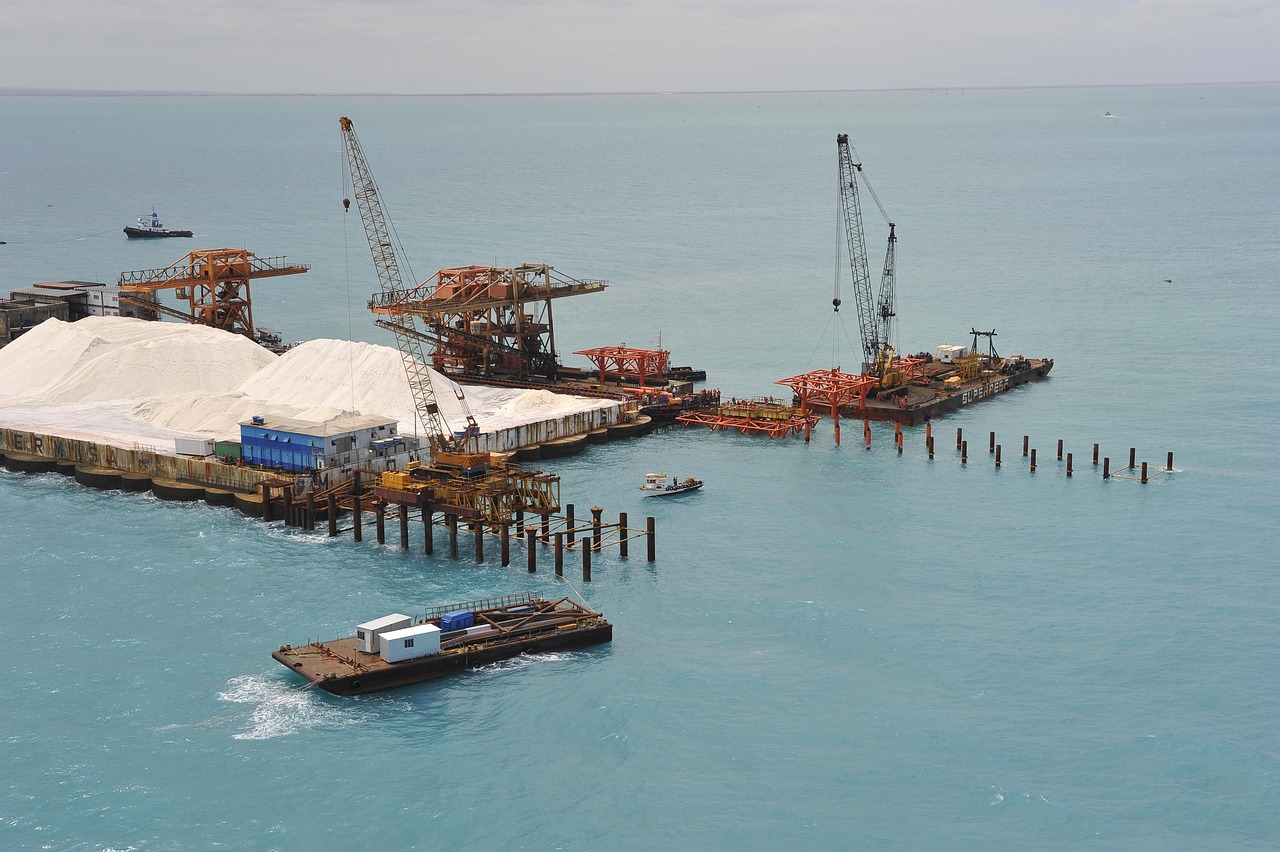
When your home floods, effective the extraction is important for both immediate rescue and long-term recovery. The goal is to not just remove standing water, but to thoroughly dry the structure and its contents to prevent mold and further damage. This involves a multi-step process that includes assessing water levels, structural integrity, and the extent of contamination.
In Albany and surrounding counties, where water table levels can vary significantly, understanding local conditions is paramount. Property Restoration of the Capital Region, for instance, has teams trained to assess these factors. They employ advanced techniques, such as high-efficiency the extraction pumps and specialized dehumidifiers, to quickly remove moisture. Once the initial extraction is complete, a thorough drying process begins. This includes using air movers to circulate dry air throughout affected areas and dehumidifiers to lower humidity levels. Well inspection services may also be required to ensure the safety of drinking water sources after a flood.
A key aspect of successful the extraction is understanding the science behind water. Water's unique properties, like its high surface tension and ability to adhere to surfaces, can complicate the extraction process. Water can seep into hard-to-reach places or adhere to porous materials like wood and drywall. Professional restorers employ specialized equipment and methods, often tailored to the specific type of water damage, to overcome these challenges. They also consider the environmental impact, using eco-friendly practices when possible, and adhering to local the extraction permits to ensure compliance with regulations.
Data from the USGS indicates that rapid response to the extraction can significantly mitigate the potential for long-term damage. Property owners should remember that DIY methods have their limitations, especially in severe cases. Seeking help from emergency response teams or professional restorers ensures that the extraction is handled correctly, minimizing the risk of mold, structural damage, and health hazards associated with excess moisture.
Restoration and Repairs: Bringing Your Home Back to Life
Residential flood recovery is a meticulous process that requires the expertise of professionals to bring homes back to their pre-flood condition. The extraction services are a critical initial step, with local disaster response teams and professional restorers utilizing advanced techniques to remove standing water and prevent further damage. The goal is to dry out structures quickly, minimizing mold growth and structural instability. A recent study by the American Red Cross found that rapid the extraction can reduce the risk of secondary damage by up to 40% in residential properties.
Once the immediate extraction is complete, the focus shifts to restoration and repairs. This phase involves a multi-step approach, tailored to the specific needs of each home. The process begins with a thorough assessment by a property restoration expert, who will identify areas affected most severely and develop a plan accordingly. This might include the installation of well water filtration systems, important for properties relying on private wells, to ensure the safety and purity of the water supply after a flood. According to the EPA, well water can become contaminated with a variety of substances during floods, necessitating proper filtration and disinfection.
The contractor may also recommend or perform the well pump installation, ensuring the well is functioning bestly and providing a reliable water source for the home. This step is especially important in rural areas or regions with limited access to municipal water supplies. Property Restoration of the Capital Region, for example, has been instrumental in assisting local communities with well drilling contracts and pump installations, contributing to swift recovery and resilience. Following these installations, the restoration team will address structural repairs, replace personal belongings, and perform mold remediation, if necessary. The goal is to restore the home to its pre-flood condition, leaving no trace of the disaster.
Preventing Future Flooding: Long-Term Solutions Near You
Preventing Future Flooding: Long-Term Solutions Near You
After a residential flood, the initial focus is on the extraction and damage repair. However, to avoid repeat flooding, property owners must consider long-term strategies. One key step is understanding the source of the problem. Heavy rainfall may indicate a need for better drainage systems or higher elevation for vulnerable areas. In other cases, improper land development or blocked storm drains contribute to flooding. Local water well contractors can play an important role here, as they can assess and improve water management on a property-by-property basis.
Testing well water at home is another important aspect often overlooked. It's essential to know if your well water is safe for use after a flood. The U.S. Geological Survey (USGS) provides guidelines for testing water quality, including for contaminants often introduced during flooding events. Data from the USGS shows that prompt testing can help prevent health risks and ensure the safety of your family and pets. In Albany, as in many urban areas, local regulations govern the extraction and well construction, so obtaining the necessary permits is vital. Property Restoration of the Capital Region, for example, offers expert guidance on navigating these permits, ensuring that restoration efforts comply with local codes.
proactive measures can significantly reduce the likelihood of future flooding. This includes implementing proper land-use practices, improving drainage, and investing in resilient infrastructure. By combining these strategies with expert the extraction services and well water testing, homeowners can protect their properties and minimize the devastating impact of flooding events.
Frequently Asked Questions About residential flood recovery near me
What should I do immediately after a flood in my home?
Act swiftly. Turn off power at the main breaker and water supply at the main valve. If water is rising, evacuate to higher ground. Document damage with photos. Contact insurance and local emergency services. Don't walk through flooded areas with active electrical equipment. Professional help is important for safe and effective residential flood recovery.
How do I find a reliable flood recovery service near me?
Check online reviews and ratings for local services. Ask for referrals from neighbors or local authorities. Verify licenses and insurance. Experience is key; look for companies specializing in residential flood recovery. A quick internet search for "flood recovery services near me" will yield a list of options, allowing you to compare services and prices.
What steps are involved in residential flood recovery?
The process typically includes: assessment and water removal, drying and dehumidification, mold prevention and remediation, structural repairs, and restoration of personal belongings. The service provider will create a plan tailored to your home's specific needs, ensuring a thorough and safe recovery.
How long does residential flood recovery usually take?
The timeline varies based on water depth, home size, and extent of damage. It can range from a few days to several weeks. Professional teams prioritize drying and mold prevention, aiming to minimize long-term damage. Regular updates from the service provider are essential for understanding progress.
What if my flood insurance doesn't cover all the damages?
Flood insurance policies have limitations. Document all losses thoroughly. Contact your insurer to review your policy and understand coverage details. They might provide partial reimbursement or suggest additional coverage for future claims. Consult a financial advisor to explore options for repairing the remainder of the damage.
Can I start cleaning up before a professional arrives?
While initial curiosity is understandable, it's best to wait. Entering flooded areas without proper equipment can be dangerous. Professional teams have the tools and training to ensure safe removal of contaminated materials. They'll also assess the scope of work and provide a detailed plan for restoration, which you can then follow.
What should I do with damaged belongings during recovery?
Place valuables and important documents in waterproof containers. Move non-essential items to a safe, dry location. Discard contaminated items like drywall and furniture padding. Save clean items for the restoration process. Professional cleaning and restoration services can help recover and restore many possessions.
After navigating the initial chaos, the journey to flood recovery demands a systematic approach, focusing on the extraction and restoration. The process begins with assessing damage, identifying safety hazards, and understanding the extent of water intrusion. This important step guides decisions on safe entry and the subsequent call for professional help. The extraction services, provided by local companies and emergency response teams, employ advanced techniques to remove standing water and mitigate mold growth.
The key to effective drying lies in these techniques, ensuring homes are restored to their pre-flood condition. Restorers, equipped with specialized equipment, use moisture meters to gauge humidity levels, targeting areas from walls to carpets. Once drying is complete, restoration and repair work can commence, including structural repairs and refinishing.
To prevent future flooding, long-term solutions are vital. This includes addressing the root causes, such as poor drainage or building in flood-prone areas. Homeowners can invest in the extraction systems and waterproof barriers, while community-based restorers offer affordable services. By following these steps and leveraging the expertise of professionals, residents can regain control, ensuring their homes are resilient against future water intrusions.
Summary: The extraction & Flood Recovery
After a residential flood, thorough assessment is important. This includes checking for structural integrity issues and mold growth, especially in areas with poor ventilation. Well water testing is vital; local health departments recommend testing for bacteria and contaminants. If the well cap was within feet of floodwater, immediate replacement services are needed.
Professional the extraction services, like those offered by Property Restoration of the Capital Region, prioritize safety and property preservation. They use specialized equipment to mitigate mold and structural damage risks.
Long-term solutions involve understanding flood causes (e.g., rainfall, land development) and implementing proper drainage. Well water testing and permits ensure safe water sources. By combining these measures with expert restoration, homeowners can protect their properties and minimize flooding impacts.