







Flood damage assessment requires identifying water sources for tailored cleanup. Advanced technology ensures thorough drying to prevent mold and structural damage. Water extraction techniques vary based on contamination risks and local environment factors, especially in areas with high water tables. Professional services employ specialized equipment and well drilling for effective extraction. Post-extraction, a thorough assessment identifies affected areas, focusing on well water quality. Mold prevention involves rapid, complete water removal, cleaning of wellheads, and visual inspections. Long-term flood protection emphasizes efficient, environmentally conscious extraction methods, structural reinforcement, and proactive measures like ventilation and dehumidifiers.
In the wake of flooding events, effective and swift water extraction becomes paramount for neighborhoods to restore their homes and communities. [Neighborhood] residents face unique challenges when it comes to flood cleanup, with varying environmental conditions demanding tailored solutions. This article delves into the critical role of expert flood cleanup services in mitigating damage and accelerating recovery efforts. By employing advanced techniques, including natural water extraction methods, professionals ensure thorough removal of standing water, preventing long-term structural issues and mold growth. We explore why engaging specialized experts is essential for a successful and safe restoration process in [neighborhood].
- Assessing Flood Damage: The Initial Step
- Safe Water Extraction Techniques for Homes
- Restoring Your Property: A Comprehensive Guide
- Dealing with Mold Post-Flood: Prevention and Removal
- Reconstructing and Protecting: Long-Term Solutions
Assessing Flood Damage: The Initial Step

When a flood strikes your neighborhood, the initial step in any recovery process is assessing the damage. This critical phase involves more than just checking for visible water levels; it demands a thorough understanding of potential risks and immediate actions required. Property Restoration of the Capital Region, an expert in flood cleanup, emphasizes that “water extraction is not one-size-fits-all.” The approach must be tailored to each scenario, considering the source and extent of contamination.
Assessing flood damage involves several key aspects. First, determine the water source: is it a burst pipe or rising creek levels? This distinction is vital as it influences the type of cleanup required. For instance, wellhead cleaning and sealing become essential if groundwater has been contaminated, preventing future issues with well-water safety. Property Restoration experts recommend quick action in such cases, as well pump installation can be a necessary step to ensure clean water access while repairs are underway.
Visual inspection alone might not reveal hidden dangers. Moisture meters and advanced technology can detect water infiltration into walls, floors, and structures. These tools help identify areas that require professional water extraction techniques. The goal is not just to remove visible water but also to dry out materials thoroughly to prevent mold growth and structural damage. This meticulous process demands expertise, ensuring every inch of affected space is properly dried and sanitized for a successful recovery.
Safe Water Extraction Techniques for Homes
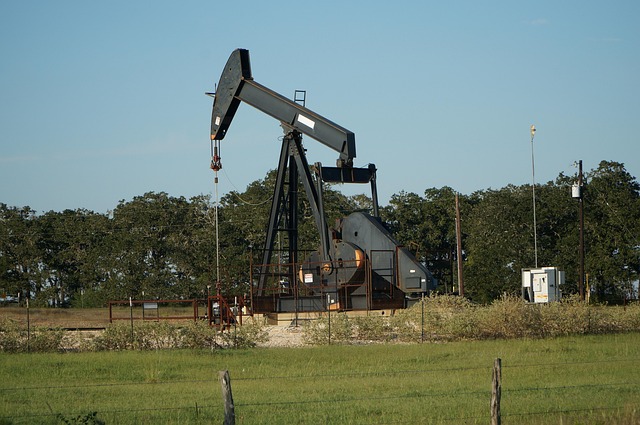
In the aftermath of a flood, safe water extraction techniques are paramount for home restoration. One of the primary goals is to minimize damage and prevent further deterioration by removing standing water as quickly as possible. This involves careful consideration of the local environment, including water table levels in [County], which can significantly impact the effectiveness of water extraction naturally. Experts recommend assessing the depth and reach of groundwater to determine the most suitable methods for each unique situation.
For instance, in areas with high water tables, specialized equipment may be necessary to extract water from hard-to-reach places beneath a home’s foundation. Professional flood cleanup services, such as Property Restoration of the Capital Region, employ advanced techniques tailored to local conditions. These include using high-efficiency pumps capable of handling deep water extraction while maintaining minimal damage to structures and surrounding landscapes. Additionally, these experts are well-versed in managing local well drilling services and well cap replacement when necessary, ensuring that homes with private wells can be restored safely and efficiently.
Maintaining proper water table levels is crucial for long-term structural integrity. Local well drilling services play a critical role here, providing access to deeper groundwater reserves if the initial extraction efforts deplete shallower sources. Well cap replacement services are also essential, especially in areas prone to frequent flooding. By sealing off wells during cleanup, these services prevent contamination from surface water and maintain the safety of the local water supply for future use. This multifaceted approach ensures that homes not only survive but thrive after a flood, with minimal environmental impact.
Regular inspection and maintenance following a flood event are vital to prevent repeat damage. Property owners should work closely with trusted professionals who can guide them through every step of the process, from initial water extraction to well services and final restoration. By adopting these proactive measures, homeowners can protect their investments and ensure their families’ safety in even the most challenging flood conditions.
Restoring Your Property: A Comprehensive Guide

After a flood, restoring your property requires a systematic approach and expert knowledge to ensure comprehensive recovery. The initial step is water extraction—a critical process that involves removing standing water from your home or business as quickly as possible. This not only prevents further damage but also reduces the risk of mold growth and other secondary issues. One natural and effective method for water extraction is through specialized equipment that operates without harsh chemicals, preserving the integrity of your belongings and infrastructure.
Once water is extracted, assessing the extent of damage becomes crucial. This involves a detailed inspection to identify affected areas, from walls and floors to structural components and personal possessions. Property Restoration of the Capital Region recommends well maintenance packages for homes with wells, as these can be vulnerable to flood damage. Engaging well pump experts who offer comprehensive services, including well water sampling kits, is essential for maintaining water quality and ensuring safe drinking water post-flood.
Restoring your property to its pre-flood condition requires a multi-step process. It starts with drying out the space, using advanced dehumidification techniques, followed by thorough cleaning and sanitization to eliminate any bacteria or mold growth. Property Restoration of the Capital Region’s experienced team utilizes cutting-edge technology for efficient drying, ensuring minimal water content remains. Post-drying, reconstruction begins, from repairing structural damage to replacing belongings, all while adhering to strict quality control measures.
Dealing with Mold Post-Flood: Prevention and Removal

After a flood, addressing mold is crucial for both health and property safety. Mold thrives in damp environments, making thorough water extraction the first step in flood cleanup. Property Restoration of the Capital Region emphasizes the importance of natural, efficient water removal to prevent mold growth. Traditional methods like carpet drying and humidification alone are not enough; they can actually accelerate mold development by keeping surfaces moist. Thus, experts advocate for rapid, complete water extraction as a foundational practice.
Once water extraction is completed, addressing the wellhead is vital, especially in areas where wells were flooded. Well repair emergency services recommend cleaning and sealing the wellhead 1-3 times to prevent contamination from moldy water. This involves using specialized kits for well water sampling to test for any pollutants or pathogens introduced during the flood. By taking proactive measures like these, homeowners can safeguard their indoor air quality and avoid costly, time-consuming mold remediation down the line.
Moreover, property owners should be aware of potential hidden mold growth behind walls or under flooring. Visual inspections are important, but professional restoration companies often employ advanced moisture meters to pinpoint areas with lingering moisture. Early detection is key; untreated mold can cause structural damage and pose severe health risks, particularly for those with respiratory conditions. Prevention strategies include maintaining proper ventilation, using dehumidifiers in damp areas, and addressing any leaks promptly.
Reconstructing and Protecting: Long-Term Solutions

In the aftermath of a flood, many homeowners in [neighborhood] turn to professionals for expert flood cleanup services. Reconstructing and protecting homes involves more than just removing water; it’s about implementing long-term solutions that prevent future damage. One crucial step is efficient water extraction, which should be done naturally whenever possible to minimize environmental impact. For instance, using specialized equipment like high-volume pumps and vacuums can swiftly remove standing water, reducing the risk of mold growth and structural deterioration.
A key consideration in Albany and surrounding areas is obtaining the necessary water extraction permits before beginning any cleanup efforts. The City of Albany has established guidelines to ensure safe and compliant water removal practices. Homeowners should consult local authorities and engage well pump experts who understand these regulations, especially when dealing with deep or contaminated water sources. These professionals can provide guidance on the most effective and eco-friendly methods for extraction, such as using natural filtration systems that safely redirect excess water.
Property Restoration of the Capital Region offers a comprehensive approach to flood recovery, focusing not just on immediate cleanup but also on structural reinforcement and protection against future events. After extracting water, it’s essential to inspect and reinforce foundations, walls, and roof structures. This may involve repairing or replacing damaged elements to ensure the home is secure and resilient against potential flooding. By combining efficient water extraction with robust reconstruction strategies, homeowners can significantly reduce the impact of future floods and protect their investments.
In addressing flood cleanup in [neighborhood], this article has provided a comprehensive guide covering critical aspects from assessing damage to long-term protection. Key insights include the importance of safe water extraction techniques, as proper water extraction naturally plays a pivotal role in preventing mold growth and preserving structures. Restoring property involves more than just cleaning; it requires a systematic approach that includes decontaminating, drying, and repairing. Dealing with mold post-flood underscores the need for prompt action and professional expertise to avoid health risks and further damage. Ultimately, reconstructing and protecting against future floods necessitates implementing long-term solutions, ensuring residents can return home safely and confidently. By synthesizing these key learnings, homeowners are now equipped with practical next steps to effectively navigate flood cleanup and restoration in their community.