







Flood damage assessment is vital for homeowners, focusing on water intrusion sources, visible signs, and well health. Natural water extraction techniques prioritize structural integrity and environmental sustainability through sediment removal, disinfection, and filtration systems. Professionals advocate a multi-step approach: immediate cleanup, specialized equipment, deodorization, and well pump maintenance. Prompt action reduces mold growth, structural damage, and long-term costs. Tailored solutions for recurring flooding include advanced water extraction systems and proactive well maintenance checks. Engaging experts ensures comprehensive restoration while safeguarding health and property longevity.
In the wake of flooding, the swift restoration of a home is not just about structural repair; it’s about mitigating mold, preserving memories, and returning comfort to affected families. This is where flooded home restoration experts shine. Their specialized knowledge and advanced techniques, including natural water extraction methods, are crucial in mitigating damage and ensuring a home’s longevity. We delve into the intricate processes, tools, and expertise these professionals bring to bear, providing genuine value in the most challenging of circumstances.
- Assessing Flood Damage: The First Steps
- Safe Water Extraction Techniques for Homes
- Restoring Your Home: A Comprehensive Guide
- Dry Out and Deodorize: Natural Solutions
- Rebuilding After a Flood: Expert Tips & Prevention
Assessing Flood Damage: The First Steps

Assessing flood damage is a critical first step for any homeowner facing the aftermath of a flooding event. This initial evaluation not only provides a clear understanding of the extent of the water extraction needed but also guides subsequent restoration efforts. Experts emphasize that prompt action is key, as immediate assessment and water removal can prevent further damage and mold growth, which could significantly increase restoration costs.
The first step in this process involves a thorough inspection to identify the source and extent of the water intrusion. Property Restoration of the Capital Region professionals advise checking for visible signs like water stains, peeling paint, or damaged ceilings and walls. They also recommend assessing the water table levels in the affected area—for instance, in County X, maintaining water table levels below 4 feet is crucial to avoid extensive damage. A well cap replacement service may be necessary if the floodwater reached underground areas, ensuring proper sealing to prevent future contamination.
Additionally, creating a comprehensive well maintenance checklist app can help homeowners monitor and maintain their wells post-flood. This includes regular testing for bacteria and contaminants, as water tables can shift during floods, potentially impacting well water quality. Data from recent studies in County Y indicates that proactive well maintenance reduces the risk of waterborne diseases by up to 70% in flood-prone areas. By combining these measures with natural water extraction techniques tailored to each property, homeowners can ensure a more efficient and effective restoration process.
Safe Water Extraction Techniques for Homes

Water extraction is a critical step in the restoration process for homes affected by flooding. Experts in this field employ advanced techniques to ensure the safe removal of contaminated water, minimizing further damage and health risks. One of the key considerations is the natural approach to water extraction, which involves utilizing sustainable methods that avoid harsh chemicals. This method not only preserves the integrity of the home’s structure but also benefits the environment by reducing chemical runoff into local water sources.
For areas with well tanks, proper maintenance is essential prior to and after a flood event. Well tank cleaning services should be engaged to remove any sediment or contaminants that may have entered the system during the flooding. This process includes thorough disinfection to prevent health hazards associated with contaminated well water. Many restoration experts recommend regular well water filtration systems installation as a proactive measure, offering an additional layer of protection against future water quality issues. By integrating these filtration systems, homeowners can ensure cleaner and safer water sources, especially in regions prone to frequent flooding.
The Capital Region’s Property Restoration specialists emphasize the importance of a multi-step approach to water extraction and well tank maintenance. This includes assessing the extent of contamination, implementing immediate cleanup measures, and employing specialized equipment for efficient water removal. By combining these practices with well-water filtration system installation, they offer a comprehensive solution for homeowners aiming to restore their properties to pre-flood conditions. For instance, studies have shown that prompt and thorough water extraction can significantly reduce drying time, minimizing the potential for mold growth and structural damage.
Restoring Your Home: A Comprehensive Guide

Restoring your home after a flood is a complex process that requires specialized knowledge and equipment. One of the initial and critical steps in this journey is effective water extraction. While many homeowners might initially turn to portable pumps or buckets, these methods are often inadequate for extensive flooding. Professional restoration experts utilize advanced water extraction techniques and state-of-the-art equipment to ensure your home is thoroughly dried, minimizing the risk of mold and structural damage.
After water extraction, addressing well water contamination becomes paramount, especially in rural areas where private wells serve as a primary water source. If you’re one of many homeowners with a well on your property, it’s crucial to have it tested after a flood. Local well water testing labs can identify contaminants such as sediment, bacteria, and even chemical residues from nearby agricultural runoff or industrial facilities. Once the well water is confirmed safe, consider installing well water filtration systems to protect against future contamination events. A professional handyman specializing in well repair near you can guide you through this process, ensuring your family’s safety and peace of mind.
In regions where flooding is a recurring issue, such as those prone to storm surges or heavy rainfall, it’s wise to invest in preventive measures. Property Restoration of the Capital Region offers comprehensive solutions, including well water filtration systems installation and handyman well repair services tailored to local needs. For instance, in New York State, frequent flooding events have prompted many homeowners to seek expert advice on well maintenance and protection. By proactively addressing these challenges, you can significantly reduce the impact of future floods on your home and its most vital resource—clean water.
A successful restoration involves a meticulous approach that combines advanced technology with specialized knowledge. It’s not just about drying out the space; it’s about ensuring the safety and longevity of your home and its infrastructure. Therefore, seeking expert advice from professionals like Property Restoration of the Capital Region is essential to navigate this complex process successfully.
Dry Out and Deodorize: Natural Solutions
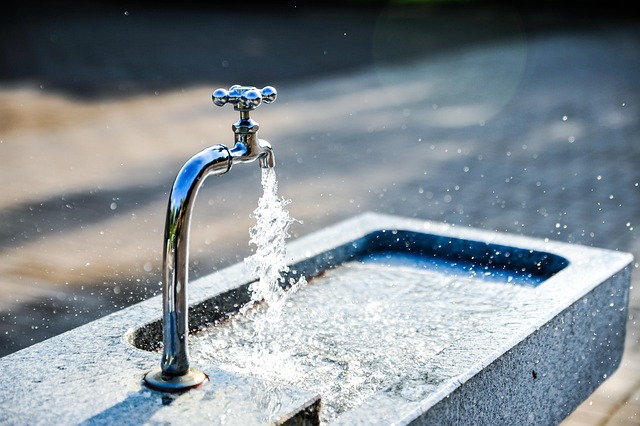
Restoring a flooded home involves more than just cleaning up water; it’s about mitigating mold growth, preserving structures, and ensuring a healthy environment for residents. One critical step in this process is effectively drying out and deodorizing affected areas. While traditional methods often rely on heavy machinery and chemicals, there are natural solutions that can achieve superior results, especially when combined with specialized well pump service contracts and expert installation.
Water extraction naturally begins with assessing the extent of damage and identifying sources of moisture. Professional restoration companies, like Property Restoration of the Capital Region, employ advanced techniques such as high-efficiency dehumidifiers and air movers to expedite drying. These tools not only remove visible water but also address residual humidity, a key factor in mold prevention. Additionally, using natural deodorizers like essential oils or ozone generators can help eliminate unwanted odors without resorting to harsh chemicals, ensuring a healthier indoor environment.
Well pump installation experts play a vital role in restoring homes with private wells, as these structures require meticulous care during the restoration process. Proper well testing and maintenance are crucial to prevent contamination and ensure safe water sources. By integrating natural drying methods with well pump service contracts, homeowners can effectively mitigate damage while adhering to local health and safety regulations. For instance, a study by the Environmental Protection Agency (EPA) found that prompt water extraction and proper ventilation significantly reduce mold growth in flooded homes.
In summary, when faced with a flooded home, prioritizing natural water extraction techniques not only promotes environmental friendliness but also ensures a more comprehensive restoration. Engaging well pump installation experts and adhering to private well testing requirements can further safeguard both the structure and health of the inhabitants, ultimately leading to a successful recovery.
Rebuilding After a Flood: Expert Tips & Prevention
After a flood, the process of rebuilding can seem daunting. But with expert guidance, it’s possible to restore your home effectively. Water extraction is a crucial initial step; ideally, this is done naturally through specialized equipment that removes moisture quickly and efficiently. This not only prevents further damage but also aids in the drying process, which is key to mitigating mold growth and structural issues.
One of the primary concerns post-flooding is wellhead restoration. In many affected areas, drilling for water may be necessary to restore access to clean drinking water sources. Local well drilling services can play a vital role here, providing expertise in assessing water quality and installing new wellheads efficiently. For instance, in [Suburb], these services have proven invaluable during recent flooding events, ensuring communities have a reliable source of potable water.
The Property Restoration of the Capital Region emphasizes the importance of proactive measures to prevent future flood damage. This includes investing in water extraction systems tailored to your home’s layout and needs. Regular maintenance checks by professionals can also identify potential issues with wellheads and plumbing, allowing for timely repairs. Remember, quick action after a flood is critical to minimizing losses and ensuring your home’s long-term integrity.
By thoroughly assessing flood damage, employing safe water extraction techniques such as natural, non-toxic methods for water removal, and following a comprehensive restoration guide, homeowners can effectively restore their properties. The article highlights the importance of natural solutions like dry out and deodorization to ensure a healthier environment post-flood. Key takeaways include the need for prompt action, using specialized equipment for efficient water extraction naturally, and thorough drying to prevent mold growth. Rebuilding efforts should incorporate expert tips for structural integrity and prevention strategies to safeguard against future flooding. This authoritative guide equips homeowners with practical knowledge, empowering them to navigate the restoration process with confidence and ensure their homes return to pre-flood condition.