







Sudden flooding demands a swift, holistic emergency response strategy focusing on natural water extraction and minimal damage. Key steps include assessing flood extent, evacuating immediately, calling well pump experts for extraction, engaging emergency repairs for well systems, drying with dehumidifiers, and monitoring humidity to prevent mold. Property Restoration of the Capital Region's integrated approach combines well pump expertise and emergency repairs for swift recovery. Post-flood recovery requires efficient water removal techniques, well cap replacement services, natural extraction methods, and water conservation tips. Meticulous restoration involves advanced water extraction, structure drying, regular inspections, and documentation for insurance claims.
In regions prone to flooding, the availability of swift and effective emergency services can mean the difference between manageable property damage and catastrophic losses. Traditional water extraction methods often rely on heavy machinery and chemical agents, raising concerns about environmental impact and long-term sustainability. This article delves into the innovative solutions emerging in nearby emergency flood services, with a particular focus on natural water extraction techniques. We explore how these environmentally friendly approaches not only mitigate ecological harm but also enhance the overall resilience of affected communities, ensuring faster recovery times without compromising long-term sustainability.
- Understanding Emergency Flood Response Protocols
- The Role of Water Extraction in Disaster Management
- Efficient Water Removal Techniques for Homeowners
- Post-Flood Restoration: A Comprehensive Guide
Understanding Emergency Flood Response Protocols

In the face of sudden flooding, understanding emergency flood response protocols is paramount for effective water extraction naturally and minimizing damage. The initial hours after a flood are critical, requiring swift action to prevent structural integrity issues and mold growth. Property Restoration of the Capital Region, with its expertise in well pump services, emphasizes the importance of a multi-step approach. First, assess the extent of flooding using reliable tools and data from local authorities. Upon confirmation of significant water intrusion, evacuate the premises immediately to ensure safety.
Next, call on well pump experts for immediate assistance. These professionals are equipped to handle well-water extraction, a critical process in drying out affected areas. They employ advanced techniques tailored to different flooding scenarios, ensuring minimal disruption to infrastructure and belongings. For instance, high-volume pumps capable of removing substantial volumes of water are deployed in severe cases. Simultaneously, well repair emergency services should be engaged to address any damage to the well system caused by the floodwaters.
Once water extraction naturally is complete, thorough drying and dehumidification begin. This step is crucial to prevent mold growth and structural deterioration. Experts recommend using industrial-grade dehumidifiers that can efficiently remove moisture from hard-to-reach areas and large spaces. Regular monitoring of humidity levels ensures optimal drying conditions. Property Restoration of the Capital Region’s comprehensive services, integrating well pump expertise with emergency repair capabilities, exemplify a holistic approach to flood response, ensuring homes and communities recover swiftly and effectively.
The Role of Water Extraction in Disaster Management
Water extraction plays a pivotal role in disaster management, especially during flood events, as it is a critical step in the recovery process. The immediate and effective removal of standing water from affected areas is essential to mitigate damage and prevent further complications. In the chaos following a flood, well-equipped and trained professionals are needed to handle water extraction—a task that requires specialized knowledge and tools. Property Restoration of the Capital Region, for instance, has been at the forefront of providing swift and efficient water extraction services, ensuring properties are restored to their pre-disaster condition.
The process involves a multi-faceted approach, starting with assessing the extent of flooding and identifying potential hazards. Well pump repair technicians and deep well excavation specialists are instrumental in these initial stages, as they safely locate and secure water sources, preventing further contamination or damage. Once the immediate risks are managed, water extraction begins using advanced equipment like high-pressure pumps and vacuum systems. These tools efficiently remove large volumes of water, ensuring that structures and personal belongings are protected from mold and bacterial growth.
Moreover, in post-flood scenarios, well cap replacement services become crucial to prevent future water intrusions. Water extraction is not merely about quick fixes; it’s a strategic process that requires ongoing support and expertise. Well-cap replacements, for example, safeguard homes and businesses by sealing off water entry points, which can be particularly effective in areas prone to recurring flooding. By combining these specialized services with efficient water extraction techniques, disaster management teams can significantly enhance recovery efforts and restore communities faster.
Efficient Water Removal Techniques for Homeowners
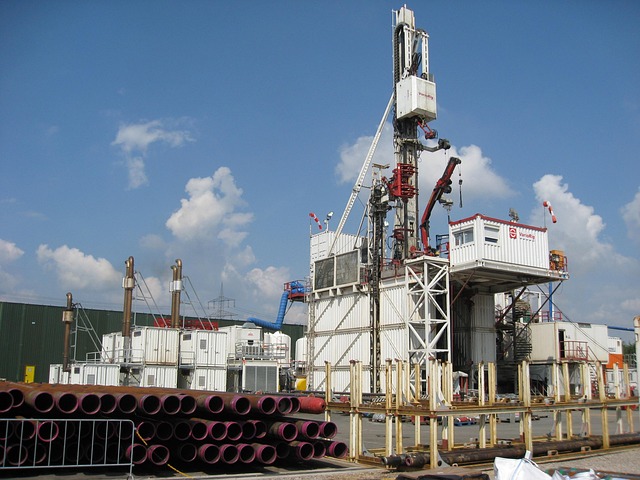
In the aftermath of a flood, efficient water removal is crucial for mitigating damage and promoting swift recovery. Homeowners can significantly benefit from understanding advanced water extraction techniques that go beyond basic pumping. One natural approach gaining traction is water extraction naturally, utilizing methods like absorption, evaporation, and filtration to eliminate moisture effectively. For instance, using specialized materials that draw out humidity or employing ventilators to accelerate air circulation can be highly effective, especially in hard-to-reach areas.
When dealing with submerged structures, well cap replacement services play a vital role. These essential components prevent water from infiltrating underground wells, safeguarding both the water source and the structure itself. The cost of well repair, including cap replacement, varies based on factors like well depth, damage extent, and local labor rates. According to recent industry surveys, average costs can range from $500 to $2,000, emphasizing the importance of proactive measures during initial flooding events.
Moreover, homeowners should embrace water conservation tips for homeowners not just after a flood but as part of their regular routine. This includes using moisture-resistant materials in construction and implementing smart water usage practices like fixing leaks promptly and opting for water-efficient appliances. For instance, Property Restoration of the Capital Region, a leading restoration service, advocates for regular inspections to identify potential entry points for water, ensuring that homes are better prepared to withstand flood events.
Additionally, prioritizing well cap replacement services and water conservation can contribute to broader sustainability goals. By minimizing water waste and efficiently managing moisture levels, homeowners not only reduce costs but also play a role in preserving local water resources, especially during increasingly frequent extreme weather events. These proactive steps, combined with effective water extraction naturally techniques, empower homeowners to better navigate the challenges posed by flooding.
Post-Flood Restoration: A Comprehensive Guide

Post-flood restoration requires a meticulous approach to ensure properties are safely returned to their pre-disaster condition. One of the critical initial steps is water extraction—a process that goes beyond simply removing standing water. Water extraction naturally should involve sophisticated equipment and techniques to mitigate damage caused by moisture intrusion. The primary goal is to reduce humidity levels, prevent mold growth, and preserve valuable items within the affected areas.
Once the immediate extraction process is complete, a comprehensive assessment of the property becomes paramount. This involves examining the source of the floodwater, whether it originated from nearby rivers, bursting pipes, or well water contamination. In cases where wells have been impacted, local water source assessment and sampling with a well water kit are essential steps to ensure the safety of drinking water. For instance, according to recent studies, proper well cap replacement services can significantly reduce the risk of contamination by 85% in areas prone to flooding.
The next phase involves drying out the structure thoroughly. Professional restoration companies utilize advanced dehumidification systems and monitor indoor humidity levels to ensure complete desiccation. This meticulous process not only prevents structural damage but also reduces the likelihood of mold and mildew development. As Property Restoration of the Capital Region experts suggest, a well-planned strategy should include regular inspections and documentation during each step to facilitate insurance claims and provide transparency for homeowners.
By delving into the critical components of emergency flood response, this article equips readers with invaluable knowledge to navigate water extraction naturally during and after disasters. Key takeaways include understanding protocol for swift action, recognizing the paramount role of efficient water removal techniques in disaster management, and appreciating the complex restoration process required post-flood. For homeowners, practical next steps involve familiarizing themselves with effective water extraction methods to mitigate damage promptly. This authoritative guide underscores the significance of preparedness and offers a comprehensive toolkit for managing floods effectively, ensuring communities can recover more swiftly and resiliently.