





Water extraction practices vary globally based on location, climate, and community size. In rural areas, private well testing and maintenance are crucial for safe drinking water. Urban settings use centralized systems with local methods like deep well excavation to minimize environmental impact. Water source mapping aids efficient planning. Specialized teams provide disaster recovery solutions. Combining traditional and modern techniques ensures tailored, effective extraction while preserving natural sources. Key approaches include responsible groundwater harvesting, understanding water table dynamics, and promoting sustainable practices through regular inspections, conservation, and community engagement. Adopting natural methods, using well depth estimation tools, and mapping services are vital for managing sustainable water extraction rates and safeguarding local water sources for future generations.
The relentless demand for water has led to widespread extraction practices, often 24/7, causing significant environmental and ecological strain. This non-sustainable approach to water sourcing not only depletes vital freshwater reserves but also disrupts local ecosystems. However, in today’s quest for balance, exploring natural methods of water extraction presents a promising avenue. Our article delves into the innovative solutions that harness nature’s own processes, offering a sustainable alternative to conventional 24/7 extraction methods. By examining these strategies, we aim to provide valuable insights into preserving our planet’s most precious resource while ensuring its accessibility for future generations.
- Understanding Local Water Extraction Needs
- Natural Water Source Identification Strategies
- 24/7 Extraction: Techniques & Sustainability
- Community Impact & Responsible Practice Guidelines
Understanding Local Water Extraction Needs

Local water extraction needs vary greatly depending on geographical location, climate, and community size. Understanding these variations is crucial for developing sustainable and effective water management strategies. In rural areas, for instance, access to clean water often relies on private well water, necessitating regular testing and proper maintenance. Homeowners can utilize kits available for testing well water at home, checking for bacteria, nitrates, and other contaminants that may require treatment. This proactive approach ensures the safety of drinking water and can prevent more complex issues down the line.
In urban settings, where population density is higher, the focus shifts to centralized water systems and infrastructure. However, even in these areas, local water extraction plays a vital role in ensuring resilience and sustainability. Deep well excavation specialists are increasingly sought after for projects that aim to extract groundwater naturally, a method that minimizes environmental impact. These experts utilize advanced technologies and mapping services to identify deep water sources, conduct site assessments, and design sustainable extraction methods. Water source mapping services, for example, can pinpoint underground aquifers and help in planning for efficient and responsible water use.
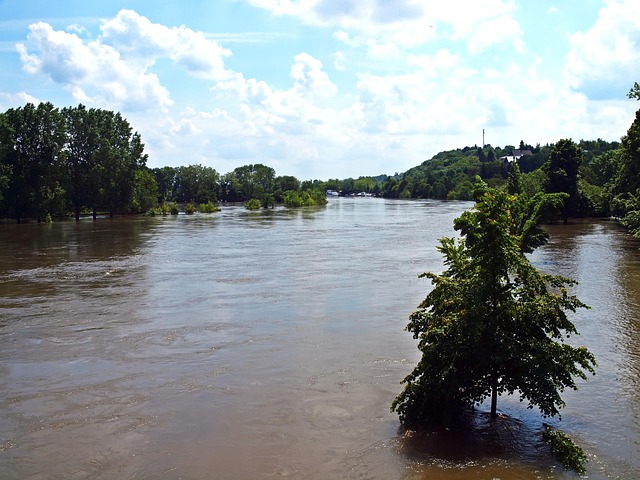
The Property Restoration of the Capital Region, a trusted name in disaster recovery, emphasizes the importance of local water extraction as part of comprehensive flood response strategies. In the aftermath of floods, restoring access to clean water is paramount. Their team includes specialists who not only assess structural damage but also implement temporary and permanent water extraction solutions to mitigate further contamination and ensure safe living conditions for affected communities. By combining traditional methods with modern technology, these experts deliver effective, efficient, and environmentally considerate solutions tailored to the specific needs of each location.
Natural Water Source Identification Strategies
Accessing a reliable and sustainable source of water is paramount for any community, and the process begins with identifying natural water sources effectively. 24/7 local water extraction offers a critical service in this regard, ensuring communities have the necessary resources to thrive. This involves a strategic approach that combines scientific methods, technological advancements, and skilled expertise. One key aspect is well pump repair technicians who can maintain and optimize existing wells, guaranteeing their longevity and efficiency as natural water sources.
Well cap replacement services are another vital component of responsible water extraction practices. Maintaining proper well caps prevents contamination and ensures the purity of the extracted water. Expert technicians play a crucial role here, offering specialized knowledge to select the most suitable well caps for diverse geological formations and climates. Accurate well depth determination services are also essential. Accurately assessing well depths allows for efficient drilling and extraction while mitigating the risk of over-extraction or accessing unsafe water tables. For instance, Property Restoration of the Capital Region offers comprehensive well-related services, including pump repairs, cap replacements, and precise depth measurements, ensuring their clients have access to clean, reliable water sources year-round.
Natural water source identification requires a multifaceted approach. Geologists, hydrogeologists, and water extraction specialists collaborate to assess groundwater availability, quality, and accessibility. This includes analyzing geological maps, conducting site surveys, and employing geophysical techniques like seismic surveys or electromagnetic methods. By combining these strategies, professionals can pinpoint the most suitable areas for well drilling, minimizing environmental impact while maximizing water yield. Understanding local hydrogeology is key to sustainable water extraction naturally, ensuring this vital resource remains accessible for generations to come.
24/7 Extraction: Techniques & Sustainability

The relentless demand for water has led to the exploration of 24/7 local water extraction methods, pushing us to find innovative solutions while ensuring sustainability. This continuous extraction requires meticulous techniques to maintain a healthy and reliable water source for communities worldwide. One prominent approach is harnessing groundwater through wells, which, when managed responsibly, offers a natural and renewable resource. The key lies in understanding the dynamics of water tables, aquifer recharge rates, and implementing practices that promote sustainable water extraction.
Experts advocate for regular well inspection services to assess water quality and quantity. Homeowners can also contribute to responsible water conservation by learning how to test well water at home, ensuring any contaminants are identified early. Simple steps like fixing leaks, using efficient appliances, and adopting water-saving gardening techniques significantly reduce overall consumption. For instance, a study in the Capital Region revealed that regular well maintenance and conservative practices led to a 20% reduction in local water extraction costs over five years while maintaining consistent water supply for residents.
Sustainable water extraction is not just about technical solutions; it involves community engagement and education. Property Restoration of the Capital Region, for example, offers workshops on water conservation tips for homeowners, empowering them to take proactive measures. By combining cutting-edge technology with traditional knowledge and responsible practices, we can ensure that our local water sources remain viable for future generations while minimizing environmental impact.
Community Impact & Responsible Practice Guidelines

The impact of 24/7 local water extraction on communities cannot be overstated. As demand for water increases, so does the pressure on local water sources, which can lead to significant environmental and social consequences. Responsible practices are essential to ensure the sustainability of these resources for current and future generations. One key area of focus is adopting natural water extraction methods that minimize disruption to local ecosystems and communities.
Well depth estimation tools and water source mapping services play a crucial role in responsible water extraction. These technologies help property owners, restoration specialists like Property Restoration of the Capital Region, and environmental experts accurately assess water table levels and the overall health of groundwater reserves. For instance, in County 1, recent studies have shown that precise well depth estimation has led to more sustainable extraction rates, reducing the risk of aquifer depletion. Similarly, comprehensive water source mapping services in County 2 have facilitated better allocation of water resources during droughts, demonstrating the tangible benefits of proactive management.
Moreover, understanding and monitoring water table levels are critical components of responsible water extraction practices. Regular monitoring allows for early detection of any adverse changes, enabling swift corrective actions. Data collected from these efforts can inform policy decisions and guide future development projects to ensure they align with sustainable water extraction guidelines. By integrating natural water extraction techniques and leveraging advanced tools, communities can foster a harmonious relationship with their local water sources, ensuring their longevity for generations to come.
The article offers a comprehensive guide to 24/7 local water extraction, highlighting critical insights for both practitioners and policymakers. Key takeaways include the importance of understanding regional water needs, employing strategic natural water source identification, and adopting sustainable techniques to ensure long-term viability. The potential community impacts necessitate responsible practice guidelines, emphasizing environmental stewardship and equitable access. Moving forward, prioritizing water extraction naturally through innovative strategies can lead to more sustainable and resilient local water management systems. Readers gain valuable knowledge on navigating the complex landscape of 24/7 water extraction, equipping them with practical tools for informed decision-making.