




Prompt, efficient water extraction within 24-48 hours prevents mold growth and secondary damages. Professional equipment and industry standards guide restoration, with natural methods like absorption, evaporation, and filtration for sustainable solutions. Well water cases require testing, maintenance, and timely vent replacement. Thorough visual inspections and specialized tools assess damage and guide strategic practices. Early intervention, advanced drying techniques, and well maintenance preserve properties and ecological integrity. Reputable firms focus on well pump installation expertise, offering tailored, environmentally conscious recovery solutions. Regular inspections and quick responses prevent future water damage.
Water damage is a common yet devastating issue faced by many, from minor leaks to severe flooding events. Prompt and efficient mitigation is key to preventing extensive structural harm and costly repairs. A water extraction company’s expertise lies in addressing this challenge head-on, employing advanced techniques for water removal and restoration. By prioritizing natural water extraction methods, these professionals ensure the safety and health of affected areas, minimizing further damage and promoting a sustainable approach to recovery. This article delves into the intricacies of effective water damage mitigation strategies employed by leading experts in the field.
- Understanding Water Damage: Immediate Response Matters
- Assessing the Scope: Visual Inspection for Water Extraction
- Natural Water Extraction Techniques for Efficient Cleanup
- Dry Out Process: Effective Strategies for Restoring Spaces
- Preventing Mold: Post-Water Damage Mitigation Steps
- Choosing a Reputable Water Damage Restoration Company
Understanding Water Damage: Immediate Response Matters

Water damage can have devastating effects on homes and businesses, often causing significant structural and health concerns. Understanding the immediate response required in such situations is paramount to minimizing losses. When water intrudes, whether from leaks, floods, or burst pipes, a swift reaction is crucial. Property Restoration of the Capital Region emphasizes the importance of quick action, particularly in mitigating the initial impact—a process that involves efficient water extraction.
The first 24-48 hours are critical. During this period, water extraction should be conducted using professional equipment designed for natural water removal. This ensures that standing water is promptly eliminated, reducing the risk of mold growth and other secondary damages. It’s not just about removing visible water; it’s about drying out the entire structure to its original moisture levels. Well-known industry standards recommend a maximum moisture content for optimal building conditions, exceeding which can lead to long-term issues.
In cases where the source is a well, proper testing and maintenance become essential. Homeowners should utilize well water quality testing kits to assess any potential contamination after water damage. Additionally, regular well tank maintenance and timely vent replacement (1-3 times annually) are vital to preserving well water quality. These measures ensure that not only is the water extracted naturally but also that the underlying water source remains safe for use. Prompt action, coupled with these strategic practices, can significantly impact restoration outcomes, ensuring properties return to their pre-damaged states more effectively.
Assessing the Scope: Visual Inspection for Water Extraction
When assessing water damage, a thorough visual inspection is crucial to determine the extent of water extraction required. This initial step involves carefully examining the affected area to understand the source, depth, and reach of the water intrusion. Trained professionals look for visible signs such as discolored or bulging walls, ceiling stains, and warped floors, all indicators of water’s path and severity. By meticulously documenting these findings, experts can map out a strategic plan for efficient water extraction.
In regions like [County], where varying water table levels can significantly impact damage, specialized tools are employed to gauge the depth and movement of underground water. This data is essential in informing well water testing and subsequent treatment strategies. Local labs in [State] offer advanced testing services to analyze water quality and identify contaminants, ensuring that affected properties receive appropriate care. Well water treatment options range from basic filtration to more complex systems depending on the level of contamination, with proper guidance from restoration experts like Property Restoration of the Capital Region.
For instance, if a property has experienced prolonged flooding, a visual inspection might reveal elevated moisture levels in walls and flooring, signaling the need for advanced drying techniques. Additionally, testing well water in such cases is imperative to assess potential chemical or bacterial presence, prompting considerations for treatment options like disinfection or specialized filtration. Proactive measures, combined with expert assessment, are key to mitigating water damage effectively and restoring properties to their pre-loss conditions.
Natural Water Extraction Techniques for Efficient Cleanup
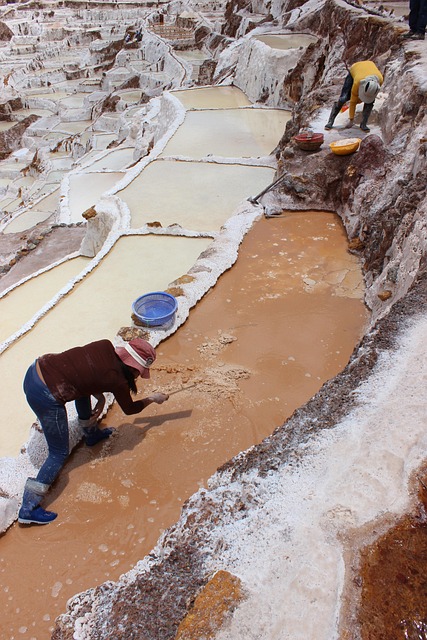
Water extraction for construction projects often presents unique challenges, but employing natural techniques can significantly enhance efficiency and minimize environmental impact. When it comes to mitigating water damage, especially in sensitive areas like historic structures or eco-conscious developments, a return to basic principles can be highly effective. Natural water extraction techniques, such as absorption, evaporation, and filtration, offer sustainable solutions that are gentle on both the structure and the surrounding environment.
For instance, using absorbents like sand or silica gel can help extract moisture from affected areas. These materials are cost-effective and readily available, making them a handyman’s friend for minor incidents. Well repair and tank maintenance play a crucial role in preventing water damage, especially in regions with fluctuating groundwater levels. Regular check-ups and timely repairs, such as those offered by local well service professionals, can save homes and businesses from costly renovations due to water infiltration.
In more severe cases, natural evaporation can be accelerated using fans and dehumidifiers to speed up the drying process. This method is particularly useful for larger areas where materials like wood, drywall, and insulation are susceptible to moisture-related deterioration. Property Restoration of the Capital Region, a respected name in disaster recovery services, emphasizes the importance of early intervention and utilizes these natural methods alongside advanced technology for optimal results. Well-maintained wells and tanks, combined with efficient extraction techniques, can ensure that construction projects remain on track without sacrificing environmental integrity.
Dry Out Process: Effective Strategies for Restoring Spaces
Water damage restoration is a delicate process requiring specialized knowledge and equipment to ensure spaces are thoroughly dried out. The first step in effective water extraction involves assessing the extent of the damage and identifying moisture sources. This may include examining walls, floors, and ceilings for signs of water intrusion or saturation. Once identified, advanced techniques such as high-efficiency water extraction machines, which use powerful suction to remove standing water, are employed. These methods not only expedite drying but also minimize the risk of mold growth by preventing water from lingering.
After initial water removal, a systematic approach is crucial for drying out structures naturally. This involves increasing air circulation through strategic placement of fans and dehumidifiers. Proper ventilation helps accelerate the evaporation process while maintaining optimal humidity levels. It’s important to note that monitoring moisture levels with specialized tools is essential during this phase. This ensures that every corner and recess is thoroughly dried, preventing hidden moisture issues that could lead to further damage or health hazards.
Homeowners can implement several water conservation tips to prevent future water damage. Regular inspection of plumbing for leaks, fixing them promptly, and installing water-efficient appliances can significantly reduce water usage. Additionally, drilling for water in specific suburbs may be necessary, but it should be left to professionals who understand local geological conditions. Well cap replacement services are also crucial, particularly 1-3 times a year, to maintain the integrity of well systems by preventing contamination and ensuring efficient water extraction. Property Restoration of the Capital Region, for example, has successfully restored numerous properties using these strategies, emphasizing their effectiveness in minimizing water damage and promoting long-term water conservation.
Preventing Mold: Post-Water Damage Mitigation Steps

Preventing mold growth after water damage is a critical step in ensuring a healthy and safe environment for residents and to preserve the structural integrity of buildings. Water extraction is the initial step, focusing on removing standing water as quickly as possible using natural methods where feasible. This rapid response significantly reduces the chances of mold development. Professional water extraction techniques, such as those employed by Property Restoration of the Capital Region, involve advanced equipment that can efficiently remove large volumes of water from affected areas.
Once the visible water is gone, addressing underlying moisture issues becomes crucial. In cases of severe flooding, well water filtration systems may be necessary to prevent contaminated water from infiltrating and causing further damage. Installing these systems involves specialized knowledge, and it’s advisable to find a local well point installer experienced in this domain. This step is vital to ensure clean water sources for affected properties, minimizing the risk of mold growth associated with contaminated moisture.
Post-water damage mitigation also entails monitoring humidity levels and ensuring proper ventilation. Maintaining low humidity (ideally below 50%) using dehumidifiers can inhibit mold spores from thriving. Regular inspections and quick responses to any signs of water intrusion or increased moisture are essential practices for long-term prevention. By combining efficient water extraction, well water filtration where needed, and ongoing monitoring, property owners can effectively mitigate the risk of mold and create an environment that supports a healthy, safe living space.
Choosing a Reputable Water Damage Restoration Company

Choosing a reputable water damage restoration company is crucial when faced with severe water loss. This decision significantly impacts the effectiveness of recovery efforts and the overall cost of repairs. Property owners often feel overwhelmed by the options available, especially in the immediate aftermath of water damage. It’s essential to understand that not all restoration firms are created equal, and some strategies for water extraction naturally can make a world of difference.
One key aspect to consider is the company’s expertise in well pump installation. Water extraction goes beyond simply removing standing water; it involves assessing and addressing the root cause, especially in areas with access to local water sources. Well pump experts are vital in these situations, as they can provide tailored solutions for sustainable water management. For instance, a well-maintained system with regular inspections can prevent future water damage by ensuring efficient water flow and pressure. Property Restoration of the Capital Region offers well maintenance packages, including 1-, 2-, and 3-time visit options, to keep your water sources in optimal condition.
Additionally, a reputable company will conduct a thorough local water source assessment. This involves evaluating the quality and quantity of available water resources and understanding their unique characteristics. By considering these factors, restoration specialists can employ appropriate extraction methods, such as dry vapor or high-efficiency vacuum systems, which are more environmentally friendly than traditional water removal techniques. These strategies not only effectively extract water but also minimize damage to valuable possessions and structures, ensuring a faster and more efficient recovery process.
By understanding the critical components of water damage mitigation, property owners can navigate this challenging scenario effectively. The article highlights the paramount importance of an immediate response to minimize water extraction challenges. Visual assessments are key to determining the scope of cleanup, with natural techniques like air movement and evaporation playing a significant role in water extraction naturally. The dry-out process must be meticulously executed, and proactive mold prevention is essential post-mitigation. When selecting a restoration company, reputation is paramount, ensuring peace of mind during an already stressful situation. These insights empower individuals to take charge, restore their spaces, and prevent future issues, underscoring the value of being prepared for water damage mitigation.