



After water damage, a systematic approach led by specialized water extraction techniques is crucial. Professional services use advanced natural methods for residential and commercial properties, minimizing environmental impact. Well point systems offer sustainable alternatives, while thorough inspections map water sources and potential contamination. Customized restoration plans prioritize structural integrity and health with non-toxic materials. Proactive strategies prevent future damage through regular maintenance and well testing. Property Restoration of the Capital Region excels in these natural water extraction techniques, ensuring effective recovery from water-related disasters.
Water damage is a common yet devastating issue faced by many homeowners, often requiring immediate attention from professionals. Prompt water cleanup and effective repair methods are essential to mitigate the potential for mold growth, structural damage, and significant financial losses. Water extraction techniques, especially those that prioritize natural, eco-friendly approaches, have gained prominence in the industry. This article delves into the intricacies of local water damage repair, highlighting the importance of specialized knowledge and modern tools, such as advanced water extraction methods, to ensure a successful recovery process for affected properties.
- Assessing Water Damage: First Steps After Flooding
- Understanding Water Extraction Techniques for Homes
- Natural Methods for Efficient Water Damage Repair
- The Role of Professional Water Cleanup Teams
- Restoring Your Space: Post-Water Damage Cleanup
- Preventing Future Water Damage: Long-Term Solutions
Assessing Water Damage: First Steps After Flooding

After a flood or water damage event, the first steps are critical for effective cleanup and restoration. Assessment is the cornerstone of this process, requiring a systematic approach to pinpoint the extent of damage and guide subsequent repair efforts. Water extraction, a key component, involves not just removing visible water but also mitigating moisture levels to prevent secondary issues like mold growth and structural deterioration.
For residential properties, professionals often employ advanced water extraction techniques designed for prompt drying and minimal disruption. This includes utilizing specialized equipment like high-efficiency pumps and dehumidifiers tailored for home environments. In commercial settings or construction projects, the scale demands a different approach. Water extraction for these scenarios must consider not only structural integrity but also the complex network of systems that require careful dewatering to avoid downtime or further damage. For instance, data centers or server rooms necessitate meticulous water extraction to protect sensitive equipment and prevent catastrophic data loss.
Beyond immediate extraction, well water treatment options become pertinent if the source is contaminated. Property owners in affected areas should consider having their well system upgraded by professionals to ensure safe drinking water standards. This may involve filtration systems or sanitization procedures to remove any traces of contaminants introduced during flooding events. The Capital Region’s leading restoration service, Property Restoration of the Capital Region, emphasizes the importance of these initial assessment and extraction steps, ensuring that each project is handled with expertise tailored to specific needs, whether it’s a residential flood or a large-scale construction cleanup.
Understanding Water Extraction Techniques for Homes
Water extraction is a critical component of any home’s water damage repair process, especially after floods or leaks. Understanding the various techniques employed by professionals for effective water removal is essential for property owners. One natural and eco-friendly method gaining traction is water extraction using well pump installation experts who specialize in drilling for water in specific suburban areas, providing a sustainable solution for home restoration.
The traditional approach involves using robust water extraction equipment to remove standing water from the affected areas. This process starts with assessing the extent of damage and identifying the source of water intrusion. Wellhead restoration services are then employed to extract ground water, particularly in regions where well pumps can efficiently dewater the area without causing further damage. For instance, in recent years, Property Restoration of the Capital Region has successfully implemented these techniques, helping numerous homes recover from water-related disasters.
However, it’s not just about removing water; proper extraction also ensures that any residual moisture is eliminated to prevent mold growth and structural damage. Well pump installation experts employ advanced drilling technologies to reach deep into the ground, providing a thorough drying process. This method is particularly beneficial in areas with limited access or where traditional extraction methods might cause further harm, such as historical homes or ecologically sensitive sites. By combining these techniques with wellhead restoration services, property owners can rest assured that their homes are restored to their pre-damaged state efficiently and effectively.
Natural Methods for Efficient Water Damage Repair
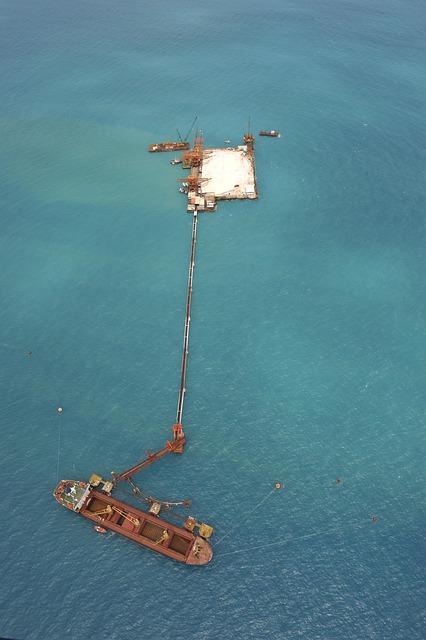
Water damage repair is a critical process that often requires prompt action to mitigate mold growth and structural decay. While traditional methods of water extraction are effective, natural approaches can offer unique benefits for both homeowners and the environment. One such method involves the strategic use of well point systems, which have long been trusted by professionals for efficient water removal. By tapping into the earth’s natural water absorption capabilities, well points provide a sustainable solution, especially in areas with limited access to traditional drainage systems. This approach not only reduces environmental impact but also helps preserve local water resources.
For those considering natural water damage repair, finding a local well point installer is a pivotal step. These experts can assess the specific needs of your property and design a tailored system. Utilizing advanced well water sampling kits, they can accurately test and monitor water quality throughout the process. This ensures that the extracted water is safely disposed of or redirected without causing further environmental harm. Moreover, well pump experts play a crucial role in maintaining the efficiency of these systems over time, ensuring optimal performance during and after water damage repair.
In the Capital Region, Property Restoration specialists have embraced these natural methods, demonstrating their effectiveness in various scenarios. For instance, a recent case study highlighted the successful restoration of an historic building’s basement using well point technology, preserving its architectural integrity while minimizing disruption to nearby water tables. This approach is particularly advantageous for locations with sensitive ecosystems or strict environmental regulations. By embracing sustainable practices, water damage repair professionals can contribute to a greener future while delivering top-notch services.
The Role of Professional Water Cleanup Teams
Water damage can wreak havoc on homes and businesses, causing structural issues, fostering mold growth, and leading to costly repairs. Prompt action is crucial in mitigating these problems. This is where professional water cleanup teams step in, playing a pivotal role in restoring properties and ensuring a swift return to normalcy. Their expertise lies not just in water extraction but also in the comprehensive repair process that follows.
These specialized teams employ advanced techniques for efficient water removal, focusing on natural methods wherever possible. Water extraction should be thorough yet gentle to avoid further damage. For instance, using high-efficiency vacuums and specialized drying equipment, they can extract water from hard-to-reach areas and porous materials while minimizing disruption. Once the water is removed, professionals utilize desiccant materials and advanced heating systems to expedite drying, preventing long-term issues like mold and structural decay.
Moreover, professional water cleanup services often include well system optimization specialists and local well drilling services, especially in rural areas. They offer wellhead restoration services, ensuring that groundwater sources remain intact and safe during the cleanup process. This holistic approach considers the unique challenges of each property, from optimizing water systems to restoring wellheads, making them invaluable assets in the Capital Region’s Property Restoration efforts. By enlisting their services, property owners can trust that their homes are not just dried out but also protected for the long term.
Restoring Your Space: Post-Water Damage Cleanup

Water damage can be a devastating experience for any homeowner, but prompt action is key to minimizing the aftermath. Restoring your space after water damage requires a systematic approach, from initial assessment to final restoration. The process begins with efficient water extraction, a crucial step that sets the stage for effective drying and prevention of further damage. Unlike traditional methods, which often rely on harsh chemicals and heavy machinery, natural water extraction offers a gentler alternative. By utilizing specialized equipment designed to remove moisture without disturbing surfaces, this method preserves the integrity of your property while ensuring a healthier environment.
Once the initial extraction is complete, the next phase involves thorough inspection and water source mapping. Identifying the origin of the water damage is essential for proper repair. This includes testing nearby water wells to ensure they are safe for use after potential contamination from floodwaters or other sources. Handyman well repair services in your area can provide crucial expertise here, offering solutions tailored to local conditions. Property Restoration of the Capital Region emphasizes the importance of comprehensive water source mapping as part of its restorative process, ensuring that every potential issue is addressed.
After the source has been contained and tested, a thorough assessment of the damage is conducted. This includes examining structural integrity, electrical systems, and any affected insulation or drywall. From here, a customized restoration plan is developed, focusing on both structural repair and aesthetic rehabilitation. Natural, non-toxic materials are often preferred for their environmental benefits and reduced health risks. With proper water well testing and mapping services 1-3 times annually, homeowners can proactively protect their investments and ensure peace of mind.
Preventing Future Water Damage: Long-Term Solutions

Preventing future water damage is a crucial aspect of long-term property preservation, especially after experiencing initial water intrusion. Homeowners and property managers in the Capital Region should adopt proactive strategies to safeguard their investments. One effective method involves natural water extraction techniques, which not only mitigate immediate damage but also address underlying issues that could lead to recurring problems. By employing these methods, residents can significantly reduce the risk of future water damage, ensuring a safer and healthier environment.
Water extraction naturally refers to utilizing eco-friendly practices for removing moisture from affected areas. This approach is particularly beneficial in regions with high humidity or frequent rainfall patterns. For instance, using biodegradable absorbents and natural ventilation techniques can be more sustainable than traditional chemical solutions. Additionally, well depth determination services play a vital role in assessing the water source’s reach, helping to design efficient extraction systems tailored to specific locations. Property Restoration of the Capital Region offers specialized packages that include well-drilling contracts for residential properties, ensuring comprehensive well water quality testing kits are employed to safeguard against potential contamination or health hazards.
Long-term solutions also encompass regular maintenance checks and early detection systems. Well water quality testing kits, readily available in the market, allow homeowners to monitor water purity at least once a year. This proactive measure helps identify issues like bacteria, chemical contaminants, or high mineral content that could attract moisture and cause damage over time. By addressing these problems promptly, residents can prevent costly repairs and maintain optimal well water conditions. Moreover, investing in residential well drilling contracts with reputable providers ensures timely access to fresh water sources, reducing the likelihood of water-related disasters.
This comprehensive guide has equipped readers with a thorough understanding of water damage repair and cleanup processes, from immediate response to long-term prevention. Key insights include the importance of rapid assessment and action, effective water extraction techniques such as natural methods for efficient recovery, and the indispensable role of professional teams in mitigating extensive damage. The article emphasizes the value of natural water extraction as a sustainable approach, showcasing its effectiveness in repairing homes while minimizing environmental impact. Armed with this knowledge, readers are now better prepared to navigate water-related crises, restore their properties, and implement preventative measures to safeguard against future damage.