






Immediate action within 48 hours is crucial for minimizing water damage. Natural water extraction techniques using advanced equipment reduce drying times compared to traditional methods. Well installation companies offer specialized services for prone areas, addressing complex drainage and flooding issues. Property Restoration of the Capital Region employs cutting-edge methods, including well drilling, for comprehensive restoration. Prompt extraction prevents mold growth and structural damage, aligning with sustainable restoration trends. Regular well tank maintenance, plumbing checks, and home water testing complement natural water extraction to create a robust defense against recurring damage.
Water damage mitigation is a critical aspect of property maintenance, especially with the increasing frequency and intensity of water-related disasters. Prompt and effective water cleanup by specialized companies can prevent extensive losses, ensuring structures and personal belongings are restored to their pre-loss condition. This article delves into the strategies employed by these professionals, focusing on the natural approach to water extraction as a sustainable and efficient solution. By exploring the latest techniques and technology, we aim to equip property owners with valuable insights, highlighting the importance of choosing expert mitigation services for swift and thorough restoration.
- Understanding Water Damage: Immediate Action Required
- Quick Response: The First 48 Hours of Mitigation
- Natural Water Extraction Techniques for Effective Cleanup
- Dry Out and Restore: Advanced Drying Methods
- Preventing Reoccurence: Post-Cleanup Maintenance Tips
Understanding Water Damage: Immediate Action Required

Water damage can strike suddenly, turning homes or businesses into a mess within hours. Understanding the severity of this issue demands immediate action to mitigate potential long-term problems. When water intrusion occurs, swift and effective cleanup is crucial, as every minute counts in preserving structures and minimizing losses. The initial response often involves water extraction techniques that aim to remove excess moisture naturally, without causing further damage.
In many cases, well installation companies near me offer specialized services for areas prone to flooding or those with challenging drainage systems. Their expertise lies not only in drilling wells but also in understanding local hydrological conditions. Well pump repair technicians play a vital role post-water damage, ensuring these water sources are safe and functional again. For instance, a recent study by the Insurance Institute for Business & Home Safety (IBHS) highlighted that prompt intervention within 48 hours of water intrusion significantly reduces restoration costs and prevents structural deterioration.
Property Restoration of the Capital Region, with their team of well-trained experts, emphasizes the importance of professional assistance in these scenarios. They offer advanced water extraction methods, including state-of-the-art equipment for efficient moisture removal. Moreover, their well pump installation experts can provide customized solutions for sustainable water management, ensuring properties are better prepared for future water-related events. This proactive approach, combining water extraction techniques with well system expertise, is key to restoring affected areas to their pre-damaged condition.
Quick Response: The First 48 Hours of Mitigation

The initial 48 hours following water damage are critical, as they significantly influence the long-term outcome of restoration efforts. Prompt action is key to minimizing loss and preventing further deterioration. Water extraction techniques play a pivotal role during this time, with natural approaches gaining prominence for their effectiveness and environmental friendliness. When facing extensive water damage, especially in commercial or residential properties, professional water cleanup companies are indispensable. These experts not only provide quick response but also employ cutting-edge methods like advanced water extraction to mitigate the impact.
One of the most effective natural water extraction strategies is using specialized equipment that draws moisture from porous materials and structures, such as floors, walls, and furnishings. This method reduces drying time compared to traditional air drying, which can take days or even weeks. Moreover, for construction projects involving large-scale water exposure, efficient water extraction for construction sites becomes crucial. Companies offering wellhead restoration services understand the unique challenges of these situations and provide tailored solutions, ensuring the quick and safe restoration of affected areas.
In severe cases, water may infiltrate underground, compromising well water quality. This underscores the importance of well water treatment options to ensure the safety and potability of drinking water sources. Property Restoration of the Capital Region, a renowned restoration service, highlights the significance of immediate action during these crises. Their expertise lies not only in rapid response but also in employing innovative techniques like natural water extraction and providing wellhead restoration and water treatment services to restore properties efficiently while adhering to environmental standards.
Natural Water Extraction Techniques for Effective Cleanup

In situations of water damage, particularly after flooding, efficient water extraction techniques are paramount to mitigate harm to properties. Natural water extraction focuses on utilizing environmentally friendly methods that minimize disruption while effectively removing excess water. This approach is especially crucial in areas prone to severe weather events like hurricanes or heavy rainfall, where swift action can prevent long-term structural damage and mold growth.
One of the most common natural water extraction techniques involves well pump experts who employ suction and pressure to remove standing water from basements, crawl spaces, or flooded areas. This method is particularly effective in well-maintained properties, as a comprehensive well maintenance checklist app can help property owners track critical tasks such as monitoring water levels, ensuring proper drainage, and scheduling regular inspections. By integrating these practices, residents can significantly reduce the risk of water damage and speed up recovery processes.
For instance, studies show that prompt action within 24-48 hours after flooding can prevent extensive water intrusion, which is a key factor in minimizing structural deterioration and preserving indoor air quality. Companies like Property Restoration of the Capital Region have honed their expertise in natural water extraction techniques, leveraging advanced equipment and specialized knowledge to provide swift and effective cleanup services. They emphasize well pump maintenance and repair as part of their comprehensive approach, ensuring that properties not only recover but are also equipped for future water-related challenges.
Moreover, utilizing natural methods aligns with a growing trend towards sustainable and eco-friendly restoration practices. By avoiding harsh chemicals or disruptive techniques, these companies contribute to healthier living environments and reduced environmental impact. In areas where well pumps are already in place, integrating them into post-flood cleanup strategies offers a practical and efficient solution that can be easily scaled according to the extent of water damage, ensuring swift return to normalcy for affected residents.
Dry Out and Restore: Advanced Drying Methods
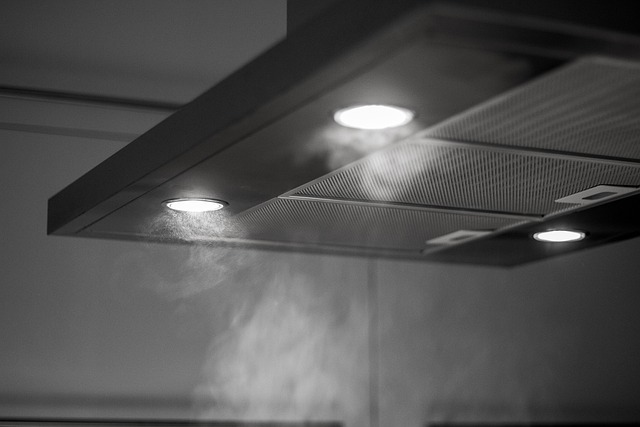
Water extraction, a critical step in water damage mitigation, involves advanced drying methods to ensure proper restoration. When dealing with local water cleanup, efficient water extraction is key to minimizing mold growth and structural damage. Professional companies employ specialized equipment such as high-volume fans, dehumidifiers, and air movers to expedite the drying process naturally, without compromising quality. These techniques not only remove moisture from visible areas but also target hidden pockets of humidity, ensuring every corner of the affected property is thoroughly dried.
For instance, Property Restoration of the Capital Region leverages cutting-edge water extraction methods, including well drilling permits and local well drilling services, to address complex cases. By utilizing these advanced techniques, they can mitigate damage swiftly, especially in areas with limited access or unique architectural challenges. Wellhead repairs and maintenance play a crucial role in this process, ensuring that groundwater levels are managed effectively during the restoration phase. This holistic approach guarantees not only the immediate drying of structures but also long-term protection against future moisture intrusion.
Data suggests that prompt water extraction within 48 hours can significantly reduce the risk of mold development and associated health risks. Companies specializing in local water damage cleanup understand this urgency, offering 24/7 emergency response to cater to diverse client needs. They tailor their strategies based on property size, material types, and the extent of water intrusion, ensuring each restoration project receives meticulous attention. By combining efficient water extraction with expert knowledge of well drilling permits and maintenance, these professionals deliver comprehensive solutions that restore properties to their pre-damaged condition.
Preventing Reoccurence: Post-Cleanup Maintenance Tips
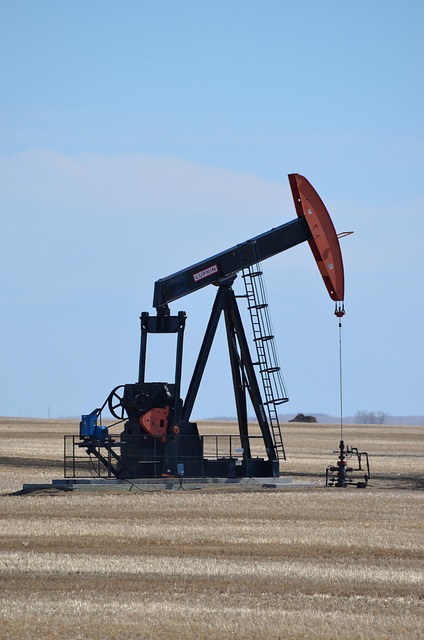
Preventing recurrence is a critical aspect of water damage mitigation, ensuring that properties remain protected against future flooding or leaks. After the initial water extraction process, which often involves powerful equipment like professional grade water extractors and air movers, maintaining your space is key to avoiding long-term issues. One natural approach to consider for ongoing protection is drilling for water in [Suburb] to create a sustainable, on-site source for monitoring and maintenance. This method not only reduces reliance on municipal supplies but also empowers homeowners with year-round access to clean water, enabling prompt action during any potential leaks or overflows.
Regular well tank maintenance plays a significant role in this strategy. Homeowners should schedule routine inspections and testing of their well tanks at least once per year to ensure the water remains safe and free from contaminants. Testing for bacteria, nitrates, and other impurities is crucial, as these can indicate issues with well water quality. Easy-to-use at-home testing kits provide a convenient way to monitor well water regularly, allowing you to take immediate action if any problems arise. By maintaining your well tank and keeping an eye on water quality, you reduce the risk of health hazards and costly repairs down the line.
Additionally, Property Restoration of the Capital Region recommends establishing a proactive maintenance schedule that includes regular checks of plumbing systems for leaks or signs of wear and tear. This involves inspecting pipes for corrosion or damage, especially in areas prone to moisture or temperature fluctuations. Addressing any issues promptly through professional repair or replacement services can prevent minor problems from escalating into major water damage events. For instance, a small leak in an old pipe could go unnoticed for months, eventually leading to substantial water damage and costly renovations if not caught early.
Lastly, educating yourself on how to test well water at home is invaluable. With simple DIY tests, homeowners can verify the water’s pH levels, hardness, and presence of common contaminants like iron or sulfur. Regular testing, done 1-3 times annually, ensures that any changes in water quality are detected early, allowing for timely interventions. By combining these maintenance practices with professional water extraction services, you create a robust defense against recurring water damage, protecting your investment and ensuring peace of mind.
By understanding the critical nature of immediate action in water damage mitigation, readers can ensure swift responses during the initial 48 hours. Natural water extraction techniques offer an eco-friendly and effective approach to cleanup. Advanced drying methods are essential for a thorough restoration, preventing mold and further damage. To avoid reoccurrence, post-cleanup maintenance is key, focusing on proper ventilation, dehumidification, and addressing potential sources of moisture. Integrating natural water extraction into these strategies allows for sustainable and comprehensive mitigation, underscoring the importance of professional, well-informed actions to restore environments efficiently and effectively.