






Water extraction, especially when conducted naturally, is a complex yet vital process for sectors like environmental restoration and construction. Key practices include thorough site assessments, regulatory compliance through well drilling permits, and responsible management to prevent aquifer depletion. Natural water extraction offers advantages such as minimal environmental impact, sustainable supplies, and self-reliance for communities facing scarcity or growing populations. Modern techniques, including advanced technology for well inspection and eco-friendly pumping systems, enhance accessibility and quality while reducing pollution. Managed responsibly, water extraction provides significant environmental and economic benefits, ensuring a reliable supply of clean water for present and future generations.
Water extraction, a critical process ensuring the accessibility of this vital resource, has become an increasingly pressing matter worldwide. The growing demand for water, often met through unsustainable practices, exacerbates environmental strain and poses challenges to communities globally. This article delves into the intricacies of water extraction services, exploring both the dire need for reform and the promise of natural, innovative solutions. We present a comprehensive approach that not only addresses the crisis but also underscores the importance of harmonious coexistence with our planet’s most precious resource, emphasizing sustainable and efficient water extraction naturally.
- Understanding Water Extraction: The Natural Process
- Identifying Sources: Locating Renewable Water Reserves
- Sustainable Practices: Extracting Without Harming
- Efficient Techniques: Modern Methods for Natural Water Collection
- Community Impact: Benefits and Challenges of Local Extraction
Understanding Water Extraction: The Natural Process

Water extraction, particularly when conducted naturally, is a complex yet essential process vital to various sectors, from environmental restoration to construction projects. Understanding the natural water extraction process involves recognizing the interplay of geological and environmental factors that make it both a sustainable resource management strategy and a critical component in well drilling permits guide. For instance, in regions with depleted aquifers, understanding natural water flow patterns can help identify alternative sources, ensuring a steady supply for construction activities and beyond.
The process begins with identifying suitable locations for extraction, which requires comprehensive site assessments. Geologists and environmental experts play a pivotal role here, analyzing soil composition, groundwater tables, and local topography. Once ideal sites are determined, the extraction itself is carried out through well drilling permits guide that ensures adherence to regulatory standards. For instance, Property Restoration of the Capital Region employs these practices to offer efficient and sustainable water extraction solutions for their construction projects. Wellhead repairs and maintenance are also integral parts of this process, as they ensure the longevity of water sources and prevent contamination. Regular maintenance can extend the lifespan of wells by preventing erosion, reducing sediment buildup, and mitigating the risk of bacterial infiltration.
Natural water extraction offers several advantages, including minimizing environmental impact and maximizing resource accessibility. Data from various studies indicates that responsible extraction methods can sustain water supplies for decades while fostering ecological balance. However, it’s crucial to strike a delicate balance; excessive extraction without proper management can lead to aquifer depletion and groundwater pollution. Therefore, a well-informed approach, combining scientific knowledge with practical insights, is essential in maximizing the benefits of this process.
Identifying Sources: Locating Renewable Water Reserves
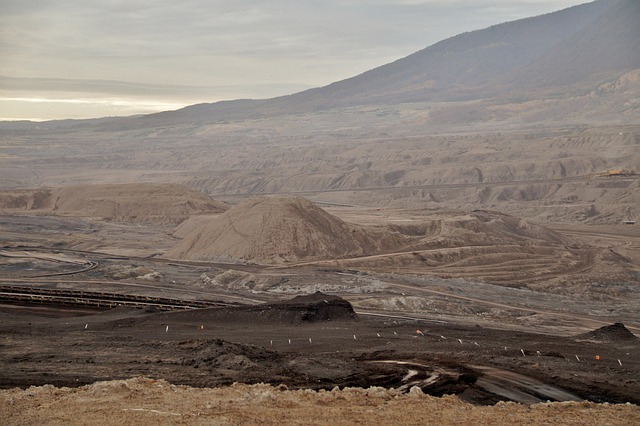
Identifying renewable water reserves is a critical step in establishing sustainable access to water, especially in areas facing scarcity or growing populations. Water extraction services play a pivotal role here, focusing on natural sources as primary resources. This involves a meticulous process of locating and assessing underground aquifers, rivers, and other bodies of water that can be harnessed for community or industrial use without causing environmental harm.
The journey begins with comprehensive well inspection services, performed by licensed professionals. These experts evaluate existing wells, determine their capacity, and identify potential issues. For instance, a local well service provider might employ advanced technology like ground-penetrating radar to map subsurface water tables accurately. This initial step ensures that any extraction effort is both efficient and environmentally responsible. Consider the case of Property Restoration of the Capital Region, where well inspection services revealed a previously undiscovered underground reservoir, leading to a sustainable water supply for the local community.
Once potential sources are pinpointed, the next phase involves determining the feasibility and sustainability of extraction. This includes assessing water quality, monitoring groundwater levels, and implementing practices that protect nearby ecosystems. For instance, in areas with high water demand, well repair and maintenance services become crucial. Handyman well repair near me could be a valuable resource for ensuring these vital resources remain accessible over time. Data from studies on renewable water reserves can guide these efforts, providing insights into the long-term viability of extraction while preserving local environments.
By combining scientific methods with local knowledge, water extraction naturally becomes a powerful tool for communities to secure their water future. It empowers regions to move beyond traditional, finite sources, fostering self-reliance and environmental stewardship.
Sustainable Practices: Extracting Without Harming
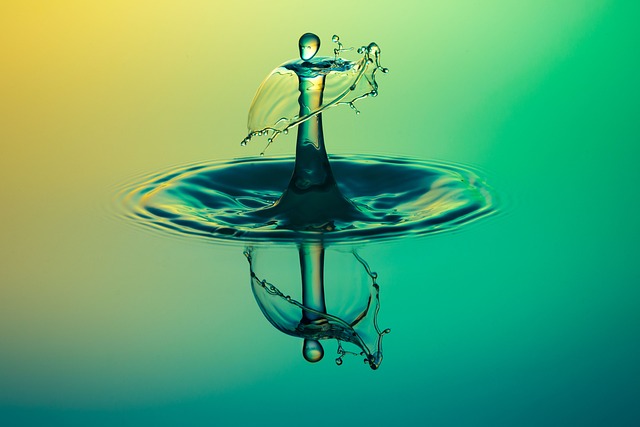
Water extraction, when done responsibly, can coexist harmoniously with environmental stewardship. The shift towards sustainable practices in the water extraction industry is a testament to our evolving understanding of ecological balance. One of the most profound changes occurs when we adopt methods that allow for water extraction naturally, minimizing disruption to local ecosystems. This involves strategies such as wellhead repairs and maintenance, which not only ensure efficient water flow but also protect surrounding habitats from contamination and degradation.
Property Restoration of the Capital Region has been at the forefront of promoting sustainable water extraction practices, offering expert advice on home water well testing and conservation tips for homeowners. By regularly inspecting and maintaining wells, we can prevent pollution and ensure the longevity of our water sources. For instance, proper sealing of abandoned wells prevents groundwater contamination and allows for natural recharge processes. Moreover, implementing water conservation tips at home, such as fixing leaks and using efficient appliances, can significantly reduce demand, giving local water tables a chance to replenish without excessive extraction.
Data from recent studies shows that sustainable practices in water extraction can lead to substantial environmental benefits. According to a report by the Environmental Protection Agency (EPA), responsible wellhead maintenance has resulted in a 20% reduction in groundwater pollution incidents over the past decade. This positive impact underscores the importance of adopting eco-conscious approaches to water extraction, ensuring a balanced and healthy environment for current and future generations.
Efficient Techniques: Modern Methods for Natural Water Collection
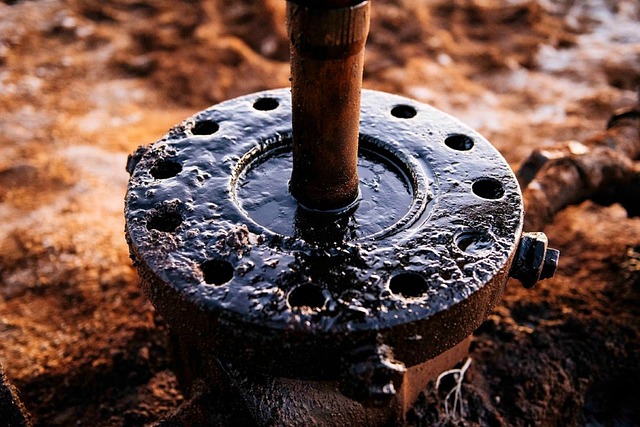
Modern water extraction techniques have revolutionized natural water collection, ensuring efficient and sustainable access to this vital resource. One of the most effective methods involves well water quality testing kits that allow for thorough assessments of underground water sources. These kits provide crucial data on mineral content, bacteria presence, and overall purity, enabling informed decisions about well system upgrades or replacements. By utilizing advanced testing methodologies, homeowners and property managers can maintain optimal well water quality, promoting both health and environmental sustainability.
For instance, a study conducted by the Environmental Protection Agency (EPA) revealed that proper well maintenance, including timely vent replacement, significantly reduces the risk of contamination from surface fluids. Well vent replacement is a key component in preventing the ingress of unwanted contaminants, such as soil particles, insects, and even hazardous chemicals. Property Restoration of the Capital Region offers specialized services for well system upgrades and vent replacements, ensuring that water extraction naturally remains a reliable and safe process.
Furthermore, modern technologies like solar-powered pumping systems offer eco-friendly alternatives to traditional methods. These systems harness renewable energy to extract water, reducing operational costs and minimizing environmental impact. When combined with regular well maintenance practices, including periodic testing and vent replacements, these innovative techniques contribute to the long-term sustainability of natural water sources. By embracing these modern methods, communities can ensure a consistent supply of clean water while preserving the integrity of their local ecosystems.
Community Impact: Benefits and Challenges of Local Extraction
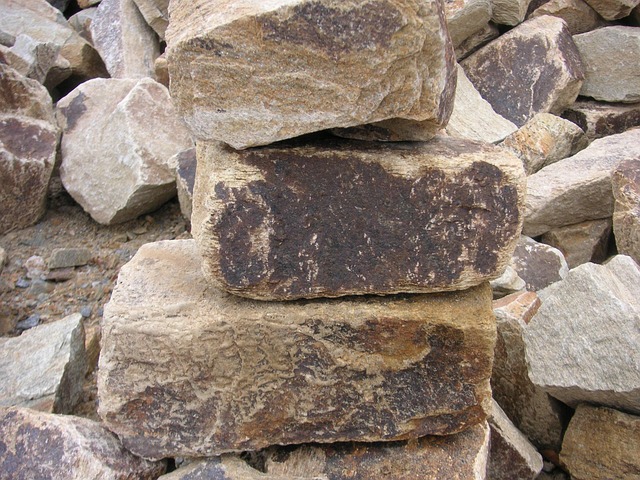
Water extraction, when managed responsibly, can significantly benefit communities, offering a sustainable solution to access clean, local water sources. The practice of extracting water naturally, through well pump systems, has been a reliable method for many years, providing both environmental and economic advantages. However, as with any resource management strategy, it presents challenges that require careful consideration and expertise.
Communities across the country are increasingly recognizing the value of well pump experts and well system optimization specialists in harnessing their local water resources. These professionals play a vital role in ensuring efficient and sustainable extraction, maintaining water quality, and minimizing environmental impact. For instance, in rural areas, where access to municipal water supplies is limited, well installation and maintenance can provide a reliable source of clean drinking water, fostering self-reliance and reducing the financial burden of water transportation. According to recent studies, communities with local water extraction systems have shown improved public health outcomes due to cleaner water sources.
However, challenges arise when improper practices are employed, such as unauthorized drilling or inadequate well maintenance. Over-extraction can lead to groundwater depletion, impacting both local ecosystems and future water availability. Here, the expertise of well pump installation experts becomes crucial in designing sustainable systems that balance community needs with environmental preservation. Property Restoration of the Capital Region, for example, has successfully implemented natural water extraction methods while minimizing ecological disruption, demonstrating a harmonious relationship between community access and environmental stewardship. To ensure long-term benefits, regular assessments by specialists are recommended to optimize well system performance and adapt practices as needed.
Through a comprehensive exploration of water extraction services, this article has underscored the importance of understanding natural processes, identifying renewable reserves, and adopting sustainable practices to extract water without harming ecosystems. Key insights include the strategic location of water sources, the application of modern efficient techniques for natural water collection, and the significant community impacts—both positive and challenging—of local extraction efforts. By synthesizing these learnings, readers are equipped with practical next steps: prioritize renewable sources, embrace sustainable methods, and anticipate community engagement to ensure responsible and beneficial water extraction naturally. This authoritative guide offers valuable insights that inform both global discussions and local actions regarding this vital resource.